
Spot Welding Electrode Cap: Common Mistakes and How to Avoid Them
Sep 26,2026
Spot Welding Electrode Cap: Common Mistakes and How to Avoid Them
Introduction to Spot Welding Electrode Caps
Spot welding is a widely used technique in the manufacturing industry, particularly for joining metal components. One of the critical elements of this process is the **spot welding electrode cap**, which plays a vital role in ensuring reliable and efficient welds. Despite its importance, m

Spot Welding Electrode Cap: Common Mistakes and How to Avoid Them
Introduction to Spot Welding Electrode Caps
Spot welding is a widely used technique in the manufacturing industry, particularly for joining metal components. One of the critical elements of this process is the **spot welding electrode cap**, which plays a vital role in ensuring reliable and efficient welds. Despite its importance, many practitioners make common mistakes when using these components, which can lead to poor weld quality, increased costs, and safety hazards. This comprehensive guide will delve into the common mistakes associated with spot welding electrode caps and provide actionable tips on how to avoid them.
Understanding Spot Welding Electrode Caps
What Are Spot Welding Electrode Caps?
Spot welding electrode caps are specialized components attached to the welding electrodes. They are designed to focus the welding current onto the workpiece, ensuring a precise and effective weld. The right electrode cap improves the welding process's efficiency and helps in achieving uniform welds with minimal thermal distortion.
Types of Spot Welding Electrode Caps
There are various types of spot welding electrode caps, each designed for specific applications:
1. **Copper Electrode Caps**: These are the most common due to their excellent electrical and thermal conductivity.
2. **Alloy Electrode Caps**: Composed of various alloys, these caps are used for specific materials requiring unique welding properties.
3. **Coated Electrode Caps**: These caps have protective coatings that enhance their durability and resistance to wear.
Understanding the types of electrode caps can significantly impact the quality of your welds and the longevity of your equipment.
Common Mistakes in Using Spot Welding Electrode Caps
1. Incorrect Electrode Cap Selection
Choosing the wrong type of electrode cap for your specific welding application can lead to severe issues. For instance, using a copper cap on materials that require an alloy can result in inadequate weld strength and increased wear on the electrode. Always ensure that the electrode cap matches the materials being welded.
2. Inadequate Maintenance and Replacement
Worn or damaged electrode caps can compromise the quality of welds. Regular inspections and timely replacements can prevent this issue. Neglecting maintenance often leads to inconsistent weld quality and increased production costs.
3. Improper Installation Techniques
Incorrect installation of electrode caps can lead to poor contact with the workpiece, causing weak welds or complete failures. Proper alignment and secure fitting are essential to ensure optimal performance.
4. Ignoring Temperature Control
Electrode caps must operate within specific temperature ranges to function effectively. Excessive heat can cause premature wear or damage. Monitoring the temperature during the welding process is crucial for maintaining the integrity of the electrode cap and achieving consistent weld results.
5. Overlooking the Importance of Electrode Geometry
The shape and size of the electrode cap play a significant role in the welding process. Selecting the wrong geometry can lead to poor penetration or excessive heat generation. It's essential to understand the impact of electrode design on your specific welding application.
How to Avoid Common Mistakes with Spot Welding Electrode Caps
1. Selecting the Right Electrode Cap
To ensure optimal weld quality, conduct thorough research on the materials you plan to weld. Consult with suppliers to identify the most suitable electrode cap type based on the specific requirements of your project.
2. Implementing a Maintenance Schedule
Establish a routine maintenance schedule for inspecting and replacing electrode caps. This proactive approach will help you identify wear and tear early on, ensuring consistent performance and reducing unexpected downtime.
3. Mastering Installation Techniques
Take the time to learn the correct installation techniques for electrode caps. Training and practice can significantly enhance your skills, leading to better alignment and fitting of the caps on electrodes.
4. Monitoring Temperature During Welding
Invest in temperature monitoring tools that can help you keep track of the electrode cap's temperature in real-time. This will allow you to make adjustments as needed, preventing overheating and extending the life of your electrode caps.
5. Understanding Electrode Geometry
Before starting a welding project, familiarize yourself with the geometric requirements of the electrode cap. Consider factors like the type of weld, material thickness, and desired penetration depth to select the most appropriate geometry.
Advanced Techniques for Optimal Spot Welding Results
1. Conducting Pre-Weld Tests
Before starting large-scale production, conduct pre-weld tests to evaluate the performance of your electrode caps under real conditions. This will help you identify potential issues and make necessary adjustments to your processes.
2. Utilizing Advanced Welding Equipment
Investing in modern welding equipment with enhanced features can significantly improve your welding outcomes. Look for machines that allow for precise control over current and temperature, as these factors directly influence the performance of electrode caps.
3. Training and Skill Development
Regular training sessions for operators can significantly enhance the overall quality of spot welding processes. Focus on topics such as proper techniques for using electrode caps, troubleshooting common issues, and understanding the science behind welding.
4. Keeping Detailed Records of Weld Parameters
Maintain a comprehensive log of all weld parameters, including the type of electrode caps used, temperature settings, and any issues encountered. This data can be invaluable for analyzing trends and identifying areas for improvement over time.
Frequently Asked Questions (FAQs)
1. What is the purpose of a spot welding electrode cap?
The spot welding electrode cap focuses the welding current onto the workpiece, ensuring efficient and precise welds.
2. How often should I replace my electrode caps?
Replacement frequency depends on usage and wear. Regular inspections are necessary to determine when to replace them.
3. Can using the wrong electrode cap affect weld quality?
Yes, using the incorrect type of electrode cap can lead to weak welds, increased wear, and production inefficiencies.
4. What are the signs that an electrode cap needs replacing?
Common signs include visible wear, discoloration, and inconsistent weld quality.
5. Are there specific maintenance practices for electrode caps?
Yes, regular inspections, cleaning, and timely replacements are crucial for maintaining electrode caps.
Conclusion
In summary, understanding the common mistakes associated with spot welding electrode caps and implementing strategies to avoid them is crucial for achieving high-quality welds. By selecting the right electrode caps, maintaining them properly, mastering installation techniques, and monitoring temperature, you can significantly enhance your welding process. Continuous training and advanced techniques further ensure that your welding operations remain efficient and effective. With this knowledge, you can avoid common pitfalls and elevate your welding projects to new heights of quality and efficiency.
TAG:
Related Posts
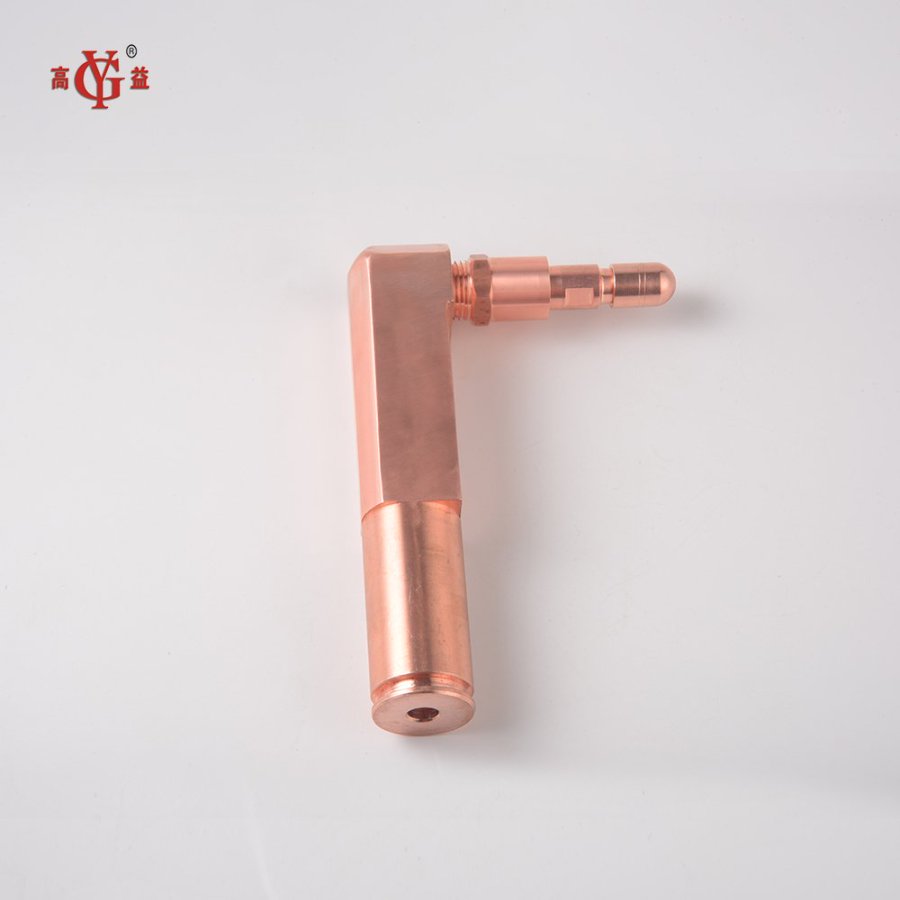
Advancements in Spot Welding Electrode Arm Technology: Shaping the Future of Welding
Advancements in Spot Welding Electrode Arm Technology
Table of Contents
1. Introduction to Spot Welding and its Importance
2. The Role of Electrode Arms in Spot Welding
3. Historical Perspective on Spot Welding Electrode Arm Technology
4. Recent Innovations in Electrode Arm Design
4.1 Ergonomic Designs for Enhanced Operator Comfort
4.2 Lightweight Materials for Increased Efficiency
5. The Impact o