
Understanding Welding Wire Feeders in MIG Welding Systems
Aug 22,2026
In the realm of industrial equipment and components, the welding wire feeder stands out as a crucial component of MIG (Metal Inert Gas) welding systems. These feeders are responsible for delivering the welding wire consistently and accurately to the welding arc, ensuring a smooth and efficient welding process. Understanding the intricacies of welding wire feeders can significantly enhance your wel
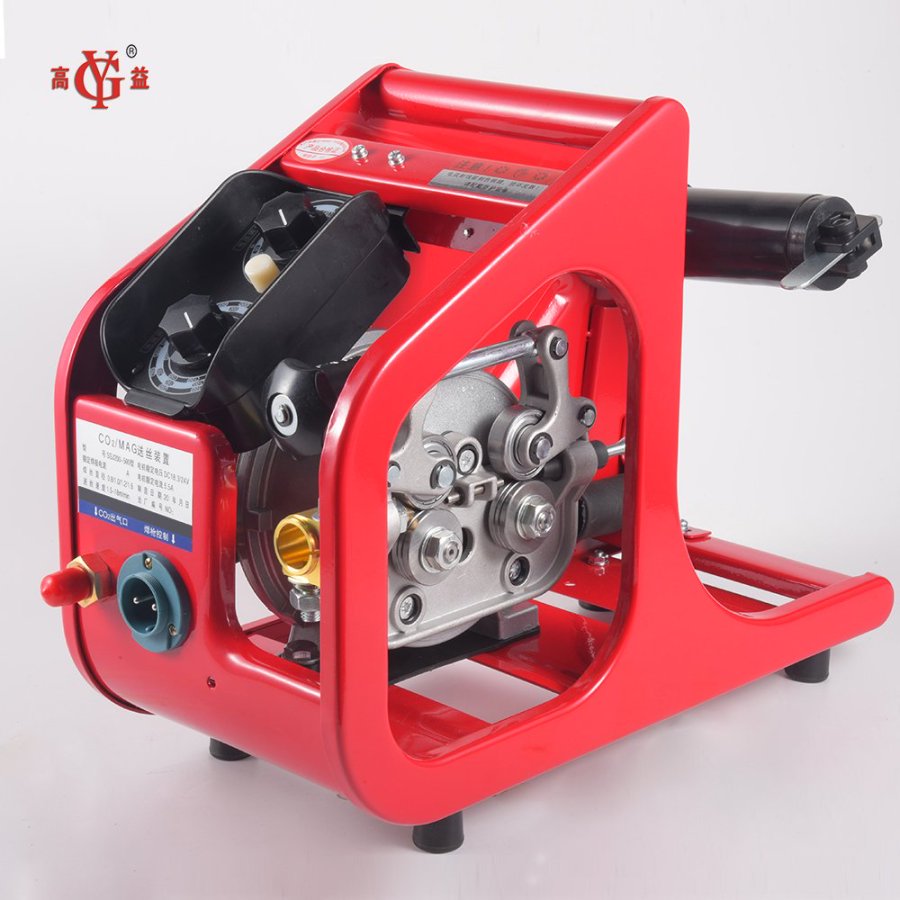
In the realm of industrial equipment and components, the welding wire feeder stands out as a crucial component of MIG (Metal Inert Gas) welding systems. These feeders are responsible for delivering the welding wire consistently and accurately to the welding arc, ensuring a smooth and efficient welding process. Understanding the intricacies of welding wire feeders can significantly enhance your welding operations, leading to improved productivity and weld quality.
A MIG welding system typically employs a wire feeder that can be either integrated within the welding machine or function as a standalone unit. The primary responsibility of the wire feeder is to push the welding wire through a conduit to the welding gun, where it merges with the shielding gas to create a protective atmosphere. This process is vital for preventing oxidation and contamination of the weld pool.
There are two main types of welding wire feeders: constant-speed feeders and variable-speed feeders. Constant-speed feeders maintain a consistent wire feed rate, which is ideal for standard welding applications. Conversely, variable-speed feeders allow the operator to adjust the wire feed rate dynamically. This flexibility is particularly useful when working with different materials or thicknesses, as it enables precise control over the welding process, thus improving the quality of the weld.
Another aspect to consider is the compatibility of wire feeders with various wire types, including solid wire, flux-cored wire, and metal-cored wire. It's essential to select a wire feeder that matches the specific requirements of the welding task to achieve optimal results. For instance, flux-cored wire may require a different feeder design compared to solid wire due to its unique feeding characteristics.
Additionally, the setup and configuration of the welding wire feeder play a pivotal role in achieving consistent performance. Proper tension adjustments, alignment, and maintenance of the feeder are critical to prevent issues such as wire stubbing or inconsistent feeding. Regularly checking for wear and tear on components like the drive rolls and liner can further enhance the reliability and longevity of the feeder.
In conclusion, the welding wire feeder is an indispensable element in MIG welding systems. By understanding the types, functionalities, and best practices associated with these feeders, industrial professionals can optimize their welding operations. Effective use of welding wire feeders not only enhances efficiency but also contributes significantly to the overall quality of welds produced in various industrial applications. Investing time and resources into mastering this aspect of welding technology can yield substantial benefits in terms of productivity and output quality.
A MIG welding system typically employs a wire feeder that can be either integrated within the welding machine or function as a standalone unit. The primary responsibility of the wire feeder is to push the welding wire through a conduit to the welding gun, where it merges with the shielding gas to create a protective atmosphere. This process is vital for preventing oxidation and contamination of the weld pool.
There are two main types of welding wire feeders: constant-speed feeders and variable-speed feeders. Constant-speed feeders maintain a consistent wire feed rate, which is ideal for standard welding applications. Conversely, variable-speed feeders allow the operator to adjust the wire feed rate dynamically. This flexibility is particularly useful when working with different materials or thicknesses, as it enables precise control over the welding process, thus improving the quality of the weld.
Another aspect to consider is the compatibility of wire feeders with various wire types, including solid wire, flux-cored wire, and metal-cored wire. It's essential to select a wire feeder that matches the specific requirements of the welding task to achieve optimal results. For instance, flux-cored wire may require a different feeder design compared to solid wire due to its unique feeding characteristics.
Additionally, the setup and configuration of the welding wire feeder play a pivotal role in achieving consistent performance. Proper tension adjustments, alignment, and maintenance of the feeder are critical to prevent issues such as wire stubbing or inconsistent feeding. Regularly checking for wear and tear on components like the drive rolls and liner can further enhance the reliability and longevity of the feeder.
In conclusion, the welding wire feeder is an indispensable element in MIG welding systems. By understanding the types, functionalities, and best practices associated with these feeders, industrial professionals can optimize their welding operations. Effective use of welding wire feeders not only enhances efficiency but also contributes significantly to the overall quality of welds produced in various industrial applications. Investing time and resources into mastering this aspect of welding technology can yield substantial benefits in terms of productivity and output quality.
TAG:
Related Posts
Innovations in Welding Wire Feeders: What’s New in MIG Technology?
Innovations in Welding Wire Feeders: What’s New in MIG Technology?
Introduction to MIG Welding and Wire Feeders
MIG (Metal Inert Gas) welding has revolutionized the way industries approach metal fabrication. This process utilizes a continuous wire feed that serves as both the electrode and filler material, allowing welders to create high-quality welds with greater speed and efficiency. Central t