
Understanding TIG Welding Torches: Essential Insights for Professionals
Aug 16,2026
TIG welding, or tungsten inert gas welding, is a highly precise and versatile welding process utilized across various industries. Central to this process is the TIG welding torch, a crucial tool that significantly impacts the quality and efficiency of the weld. Understanding the components and functionalities of a TIG welding torch is essential for professionals who aim to master this technique.
A
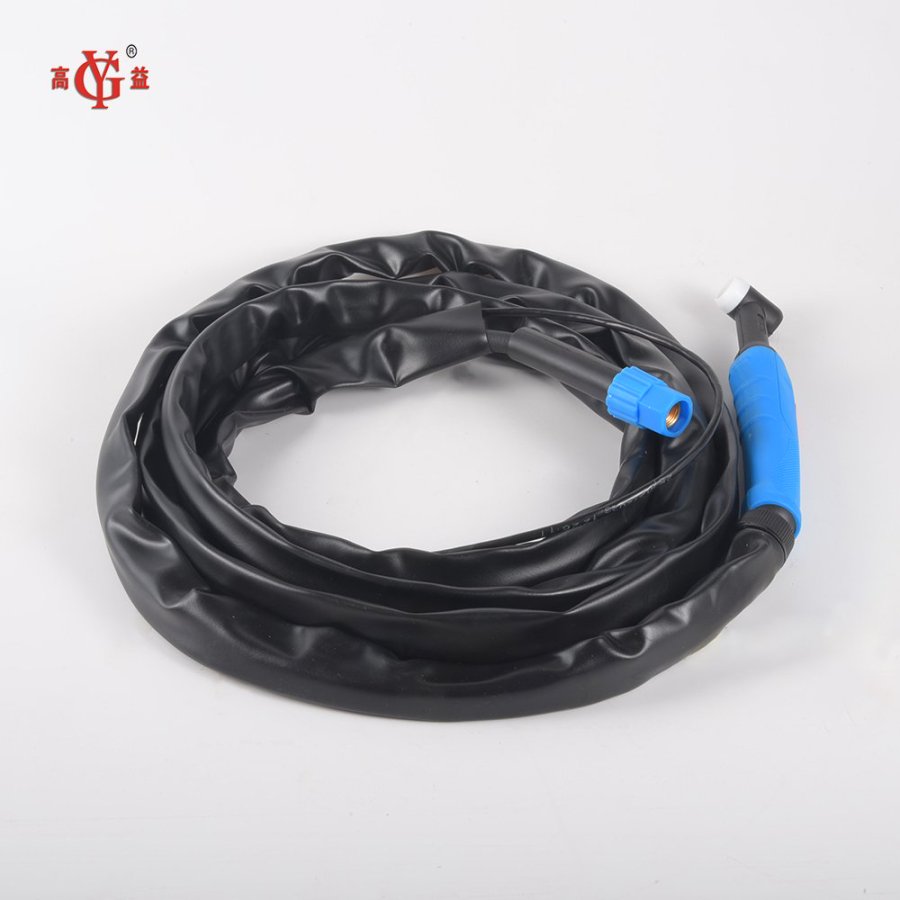
TIG welding, or tungsten inert gas welding, is a highly precise and versatile welding process utilized across various industries. Central to this process is the TIG welding torch, a crucial tool that significantly impacts the quality and efficiency of the weld. Understanding the components and functionalities of a TIG welding torch is essential for professionals who aim to master this technique.
A TIG welding torch comprises several key components, each serving a specific purpose. The most vital part is the tungsten electrode, which produces the arc necessary for welding. The electrode’s tip must be properly shaped and sharpened to ensure a stable arc. The type of tungsten used can also influence the welding performance, with options such as pure tungsten or tungsten alloys available for various applications.
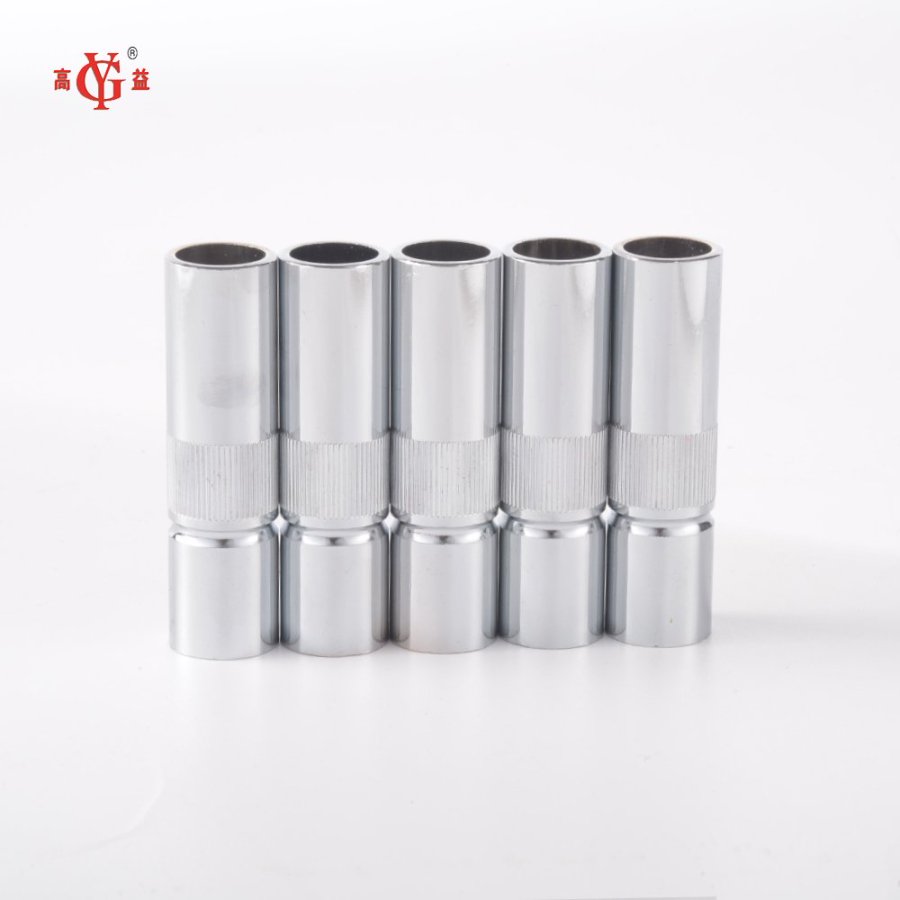
Another integral component of the TIG welding torch is the collet, which secures the tungsten electrode in place. Collet sizes can vary, allowing for the use of different electrode diameters depending on the thickness of the material being welded. Additionally, the gas nozzle, positioned at the front of the torch, helps deliver the shielding gas—typically argon or helium—that protects the weld pool from atmospheric contamination, ensuring a clean and strong weld.
TIG welding torches come in different styles, primarily categorized as air-cooled and water-cooled. Air-cooled torches are lightweight and easy to handle, making them ideal for most general welding tasks. However, for high-amperage applications, water-cooled torches are preferred due to their capacity to dissipate heat more effectively, thus prolonging the torch’s lifespan and maintaining performance.
When selecting a TIG welding torch, professionals should also consider the torch’s ergonomic features. A comfortable grip and adjustable angles can significantly reduce operator fatigue and enhance precision during intricate welding tasks. Moreover, the length of the torch cable plays a role in maneuverability; longer cables offer greater flexibility, particularly in complex work environments.
Proper maintenance of TIG welding torches is crucial for optimal performance. Regular cleaning of the nozzle and electrode, along with careful inspection for wear and damage, can prevent issues that may arise during welding operations. Additionally, ensuring that the gas flow rate is appropriate for the specific application will enhance weld quality and minimize defects.
In conclusion, a comprehensive understanding of TIG welding torches is essential for professionals seeking to excel in their welding projects. From the selection of the torch to its maintenance, each aspect plays a critical role in achieving high-quality results. By mastering these elements, welders can enhance their skills and deliver superior craftsmanship in their work.
A TIG welding torch comprises several key components, each serving a specific purpose. The most vital part is the tungsten electrode, which produces the arc necessary for welding. The electrode’s tip must be properly shaped and sharpened to ensure a stable arc. The type of tungsten used can also influence the welding performance, with options such as pure tungsten or tungsten alloys available for various applications.
Another integral component of the TIG welding torch is the collet, which secures the tungsten electrode in place. Collet sizes can vary, allowing for the use of different electrode diameters depending on the thickness of the material being welded. Additionally, the gas nozzle, positioned at the front of the torch, helps deliver the shielding gas—typically argon or helium—that protects the weld pool from atmospheric contamination, ensuring a clean and strong weld.
TIG welding torches come in different styles, primarily categorized as air-cooled and water-cooled. Air-cooled torches are lightweight and easy to handle, making them ideal for most general welding tasks. However, for high-amperage applications, water-cooled torches are preferred due to their capacity to dissipate heat more effectively, thus prolonging the torch’s lifespan and maintaining performance.
When selecting a TIG welding torch, professionals should also consider the torch’s ergonomic features. A comfortable grip and adjustable angles can significantly reduce operator fatigue and enhance precision during intricate welding tasks. Moreover, the length of the torch cable plays a role in maneuverability; longer cables offer greater flexibility, particularly in complex work environments.
Proper maintenance of TIG welding torches is crucial for optimal performance. Regular cleaning of the nozzle and electrode, along with careful inspection for wear and damage, can prevent issues that may arise during welding operations. Additionally, ensuring that the gas flow rate is appropriate for the specific application will enhance weld quality and minimize defects.
In conclusion, a comprehensive understanding of TIG welding torches is essential for professionals seeking to excel in their welding projects. From the selection of the torch to its maintenance, each aspect plays a critical role in achieving high-quality results. By mastering these elements, welders can enhance their skills and deliver superior craftsmanship in their work.
TAG:
Related Posts
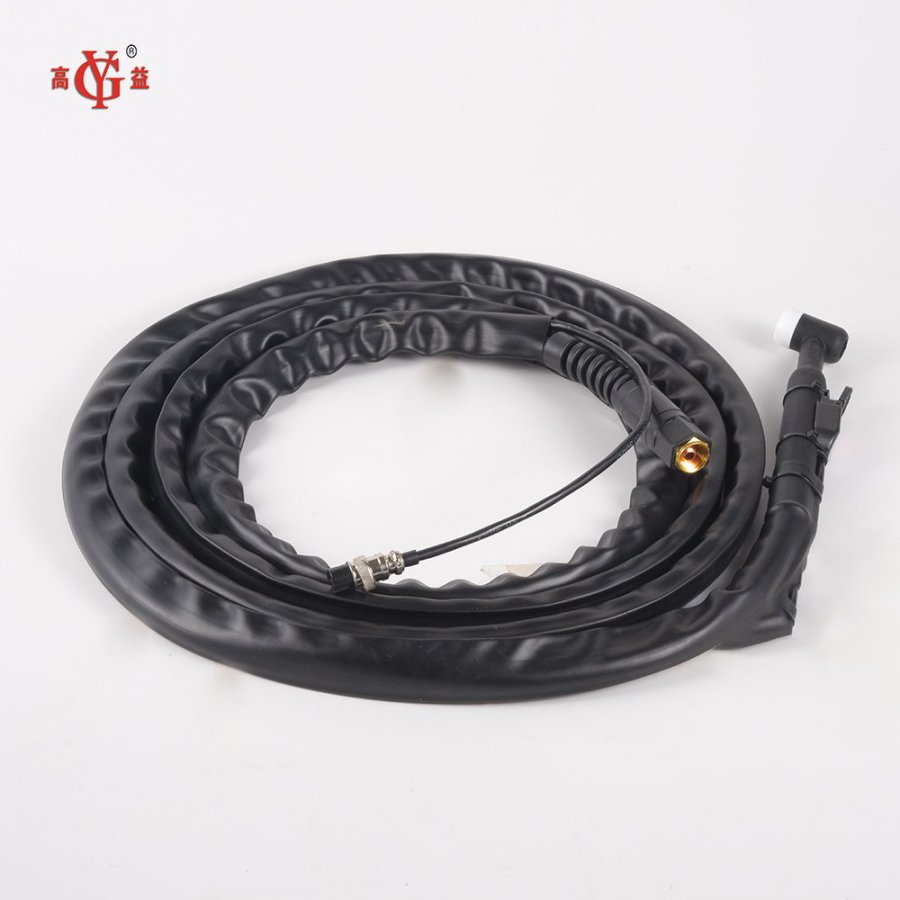
Enhancing Precision Welding with Advanced TIG Welding Torch Features: A Comprehensive Guide
Enhancing Precision Welding with Advanced TIG Welding Torch Features
In the world of welding, precision is paramount. The ability to execute flawless welds can determine the success of a project, especially in industries where quality is non-negotiable. In this article, we will delve into the advanced features of TIG welding torches that significantly enhance precision welding. From understanding