
How to Set Up Your MIG Welding Torch for Optimal Performance
Aug 15,2026
How to Set Up Your MIG Welding Torch for Optimal Performance
Table of Contents
1. Introduction to MIG Welding
2. Understanding MIG Welding Torches
3. Key Components of a MIG Welding Torch
4. Preparing Your MIG Welding Torch for Use
5. Adjusting Wire Feed Speed for Optimal Performance
6. Setting the Gas Flow Rate Correctly
7. Selecting the Right Weldin
How to Set Up Your MIG Welding Torch for Optimal Performance
Table of Contents
- 1. Introduction to MIG Welding
- 2. Understanding MIG Welding Torches
- 3. Key Components of a MIG Welding Torch
- 4. Preparing Your MIG Welding Torch for Use
- 5. Adjusting Wire Feed Speed for Optimal Performance
- 6. Setting the Gas Flow Rate Correctly
- 7. Selecting the Right Welding Wire and Electrode
- 8. Common MIG Welding Issues and Solutions
- 9. Conclusion
- 10. FAQs
1. Introduction to MIG Welding
MIG welding, or Metal Inert Gas welding, is a popular welding technique known for its versatility and ease of use. It is widely utilized in various applications, from automotive repairs to construction. A crucial aspect of achieving high-quality welds lies in the setup of your MIG welding torch. This comprehensive guide will walk you through the best practices for setting up your MIG welding torch to ensure optimal performance and finished results.
2. Understanding MIG Welding Torches
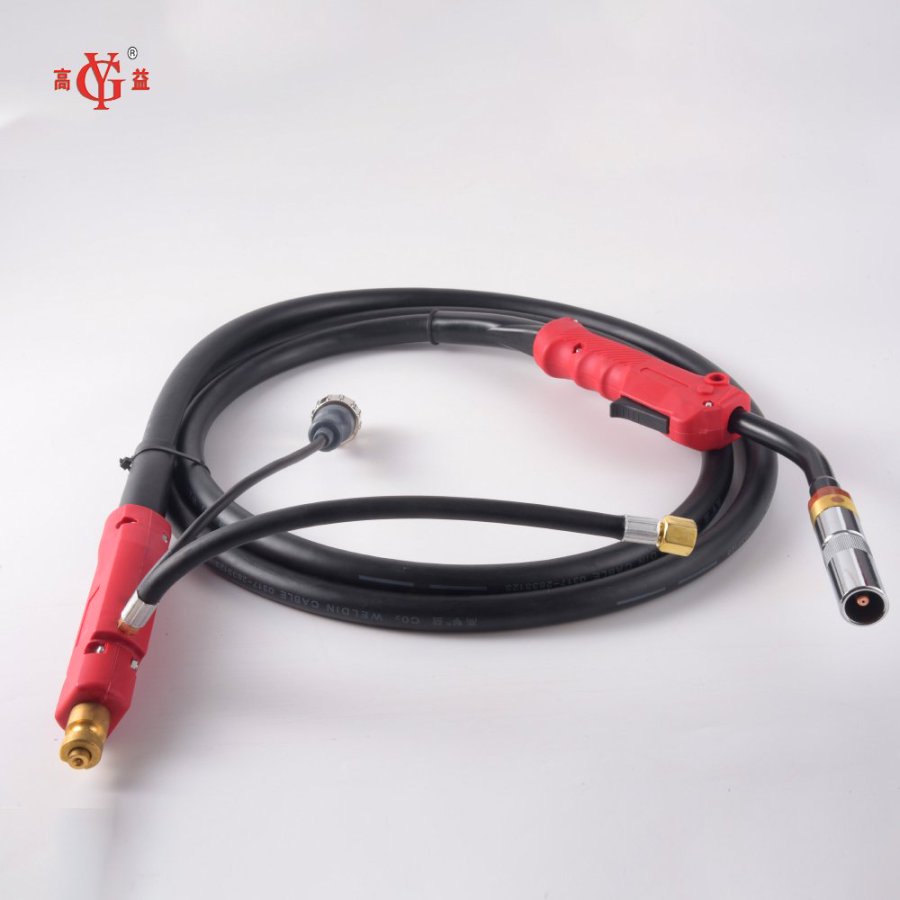
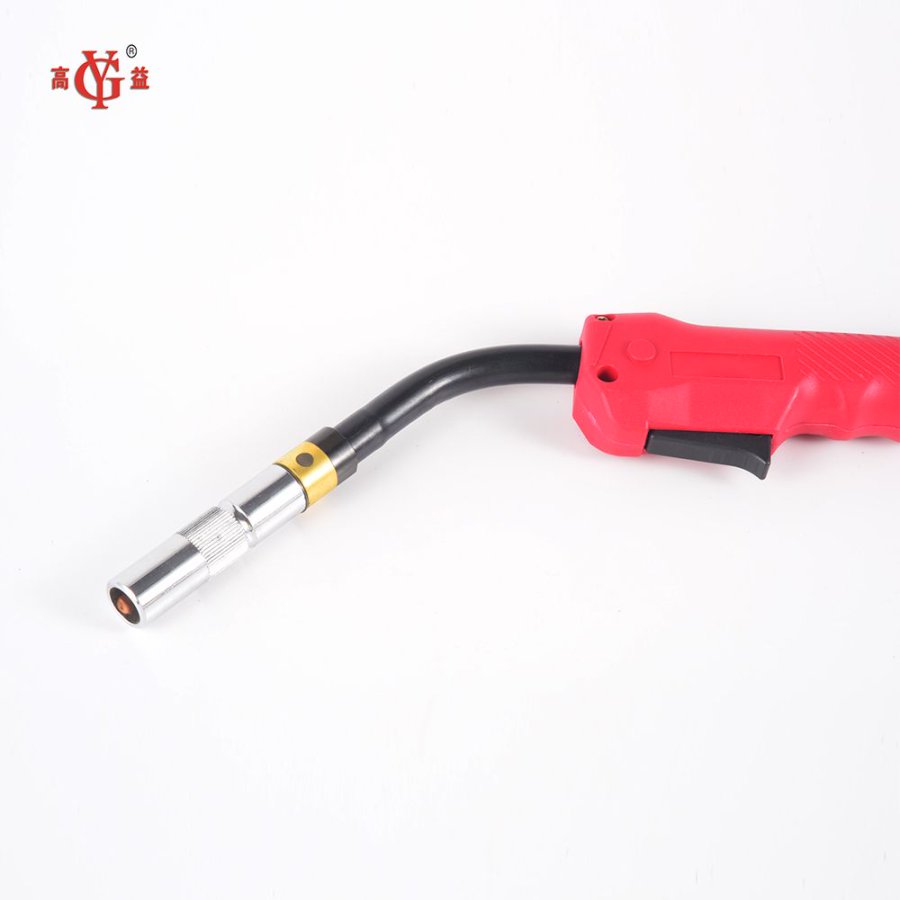
A MIG welding torch functions as the tool that delivers both the filler material (welding wire) and shielding gas to the weld pool. Understanding its components and functionalities is essential for effective welding. MIG torches come in various types, including air-cooled and water-cooled versions, catering to different welding needs.
2.1 Types of MIG Welding Torches
MIG welding torches are generally classified into two categories:
- **Air-Cooled Torches**: Ideal for light to medium-duty applications. They are typically less expensive but may require more frequent maintenance.
- **Water-Cooled Torches**: Designed for heavy-duty welding, these torches can handle a higher thermal load, making them suitable for extended welding sessions.
2.2 Benefits of Proper Torch Setup
Setting up your MIG welding torch correctly improves the quality of your welds and enhances the overall welding experience. Proper setup helps reduce spatter, improves arc stability, and increases the efficiency of the welding process.
3. Key Components of a MIG Welding Torch
To ensure optimal performance, it is crucial to familiarize yourself with the key components of a MIG welding torch. Each part plays a vital role in the welding process.
3.1 Contact Tip
The contact tip is responsible for delivering the welding wire into the weld pool. Ensure it's the right size for your wire diameter to maintain an optimal arc.
3.2 Gas Diffuser
The gas diffuser evenly distributes the shielding gas around the welding area, protecting the weld from contamination.
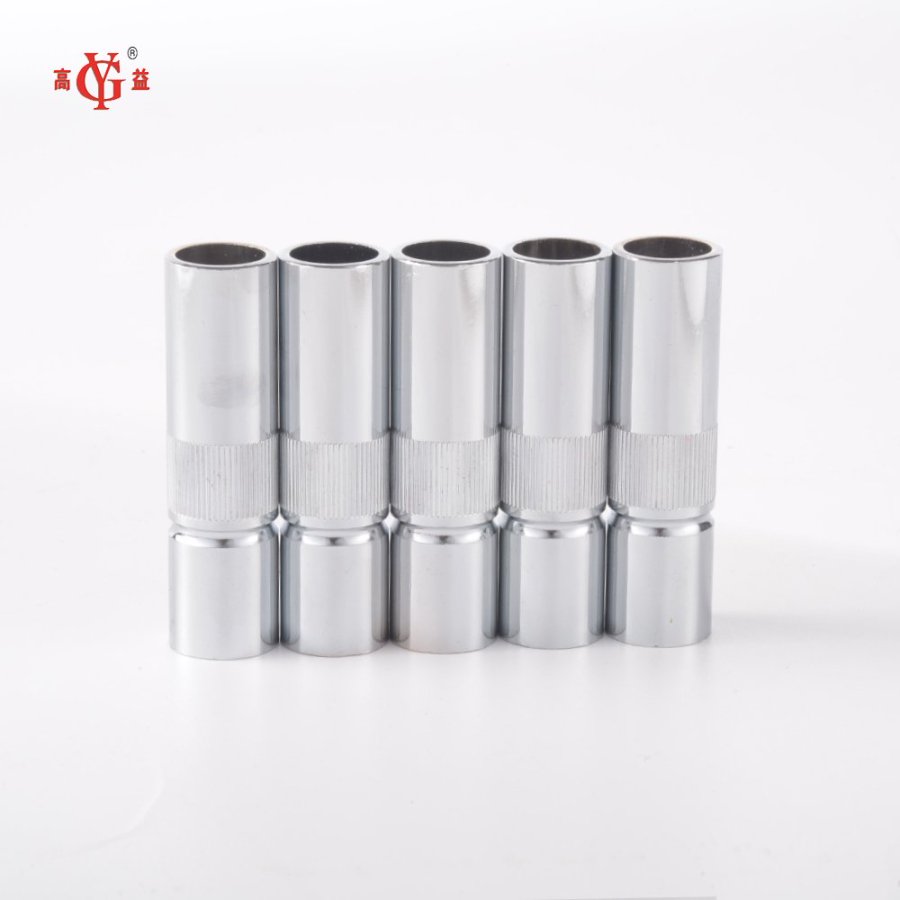
3.3 Nozzle
The nozzle directs the flow of shielding gas and can be replaced to accommodate different welding wire diameters.
3.4 Insulator
The insulator protects the electrical components of the torch from damage due to heat and electrical arcs.
4. Preparing Your MIG Welding Torch for Use
Before diving into the welding process, it is essential to prepare your MIG welding torch properly. Follow these steps:
4.1 Inspect the Torch Components
Examine all components of the torch, including the contact tip, nozzle, and insulator, for any signs of wear or damage. Replace any damaged parts to ensure optimal performance.
4.2 Clean the Torch
A clean torch is crucial for consistent results. Use a wire brush or cloth to remove any debris from the nozzle and contact tip. Regular cleaning helps prevent clogs and improves the quality of your welds.
4.3 Connect the Gas Supply
Ensure your gas supply is connected securely. Check for leaks by applying soapy water to the connections; if bubbles form, you have a leak that must be fixed.
5. Adjusting Wire Feed Speed for Optimal Performance
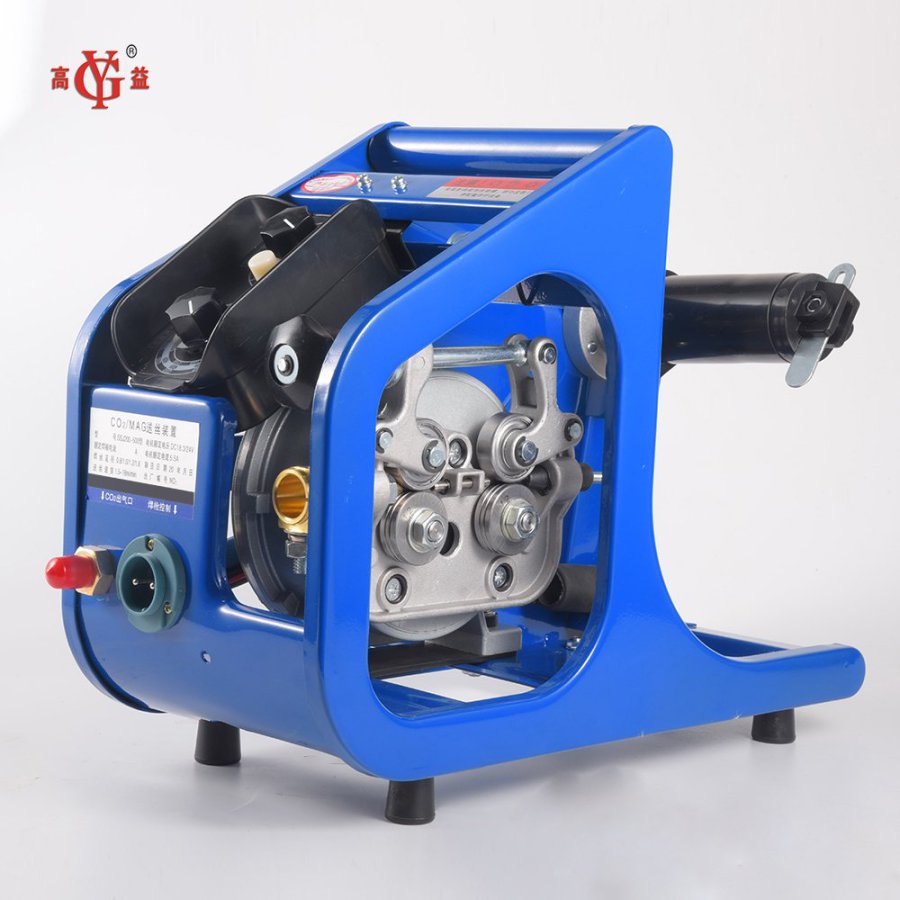
Wire feed speed significantly impacts the quality of your weld. Adjusting it correctly is vital for achieving a stable arc and effective penetration.
5.1 Determining the Correct Wire Feed Speed
The correct wire feed speed depends on the thickness of the material you are welding and the type of welding wire being used. A good starting point is to refer to the manufacturer’s guidelines, which provide recommended settings based on wire diameter and material thickness.
5.2 Testing Wire Feed Speed
Conduct a test weld on scrap material to determine if the wire feed speed is appropriate. Look for a consistent bead with minimal spatter. If the arc is erratic or the weld is undercut, adjust the speed accordingly.
6. Setting the Gas Flow Rate Correctly
The shielding gas is crucial for protecting the weld pool from contamination. Setting the correct flow rate can improve the quality of your weld significantly.
6.1 Recommended Flow Rates
Typically, a flow rate of 15 to 25 cubic feet per hour (CFH) is recommended for MIG welding. However, this may vary based on the environment, such as wind conditions or the presence of drafts.
6.2 Adjusting the Flow Rate
Use the flow meter on your gas cylinder to adjust the flow rate. Observe the gas flow during your test weld to ensure adequate shielding without excessive turbulence.
7. Selecting the Right Welding Wire and Electrode
The choice of welding wire and electrode is critical for achieving optimal performance in MIG welding.
7.1 Types of Welding Wire
MIG welding usually employs solid wire, flux-cored wire, or stainless steel wire. Each type has its applications, so choose based on the materials you are welding.
7.2 Matching Electrode Diameter to Material Thickness
The wire diameter should correspond to the thickness of the materials being welded. For thinner materials, a smaller diameter wire is typically used, while thicker materials require larger diameter wire.
8. Common MIG Welding Issues and Solutions
Even experienced welders encounter challenges during the MIG welding process. Understanding common issues can help you troubleshoot effectively.
8.1 Inconsistent Arc
An inconsistent arc is often caused by improper wire feed speed or a faulty contact tip. Check these components and make necessary adjustments.
8.2 Excessive Spatter
Excessive spatter can occur due to incorrect settings or poor technique. Ensure that your gas flow rate and wire feed speed are set correctly.
8.3 Lack of Penetration
When insufficient penetration occurs, it may be due to low heat settings or incorrect electrode size. Increase the voltage or choose a larger wire diameter for better results.
9. Conclusion
Setting up your MIG welding torch for optimal performance involves careful attention to detail, from selecting components to adjusting settings. By following the guidelines outlined in this article, you can enhance your welding experience, improve the quality of your welds, and ultimately achieve superior results. Remember that practice and experience will further refine your skills, leading to more successful projects and satisfied customers.
10. FAQs
1. What is the best shielding gas for MIG welding?
The most commonly used shielding gas for MIG welding is a mix of argon and carbon dioxide, typically 75% argon and 25% CO2. This mixture provides excellent arc stability and penetration.
2. How often should I replace the contact tip?
You should replace the contact tip whenever you notice wear or damage, or after every 10-12 hours of welding to maintain optimal performance.
3. Can I use flux-cored wire in a MIG welder?
Yes, many MIG welders can use flux-cored wire, which is useful for outdoor welding where wind might blow away shielding gas.
4. What materials can I weld with a MIG welder?
MIG welding is suitable for a variety of materials, including mild steel, stainless steel, and aluminum.
5. How do I know if my gas flow rate is set correctly?
A correct gas flow rate will protect the weld from contamination without creating excessive turbulence. Test welds on scrap material can help you evaluate the effectiveness of your settings.
By following these guidelines and addressing common welding issues, you will be well on your way to mastering MIG welding and achieving optimal performance from your welding torch.
TAG:
Related Posts
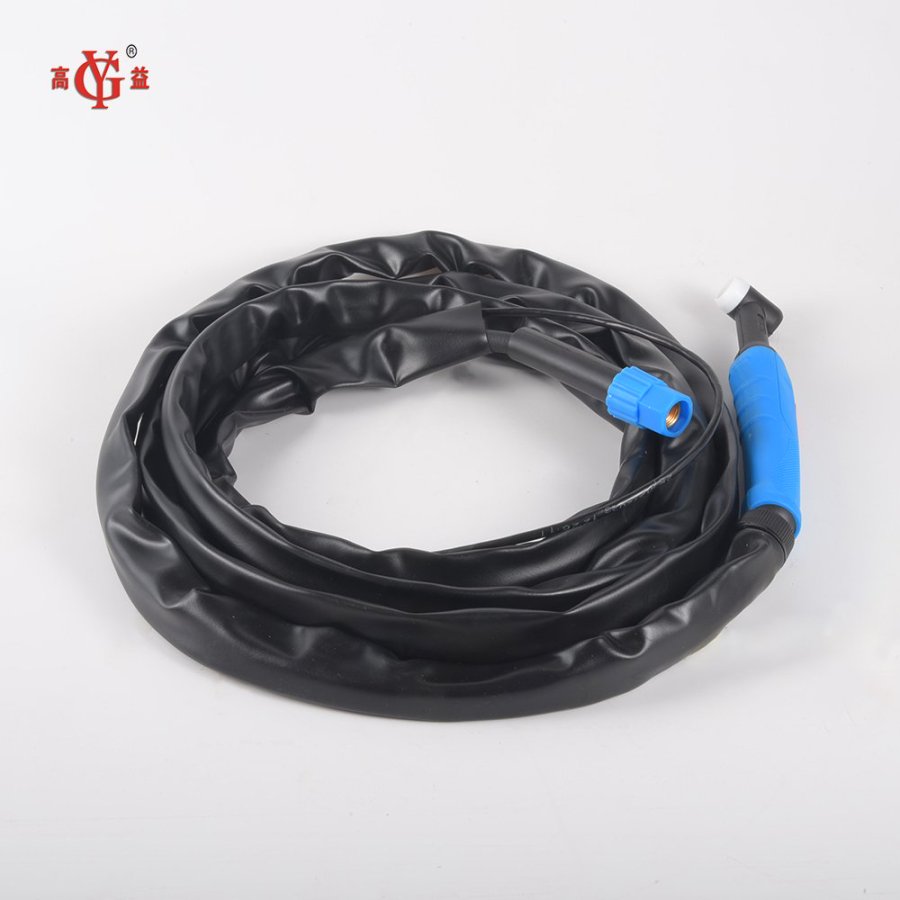
Mastering the TIG Welding Torch: Key Insights for Professionals
When it comes to precision welding, the TIG (Tungsten Inert Gas) welding torch stands out as a crucial tool for professionals in the electrical and welding industry. This article aims to provide valuable insights into the features and functionalities of the TIG welding torch, enhancing your understanding and efficiency in using this vital equipment.
The TIG welding torch is designed to facilitate