
The Essential Guide to Plasma Cutting Torches in Metal Fabrication
Aug 08,2026
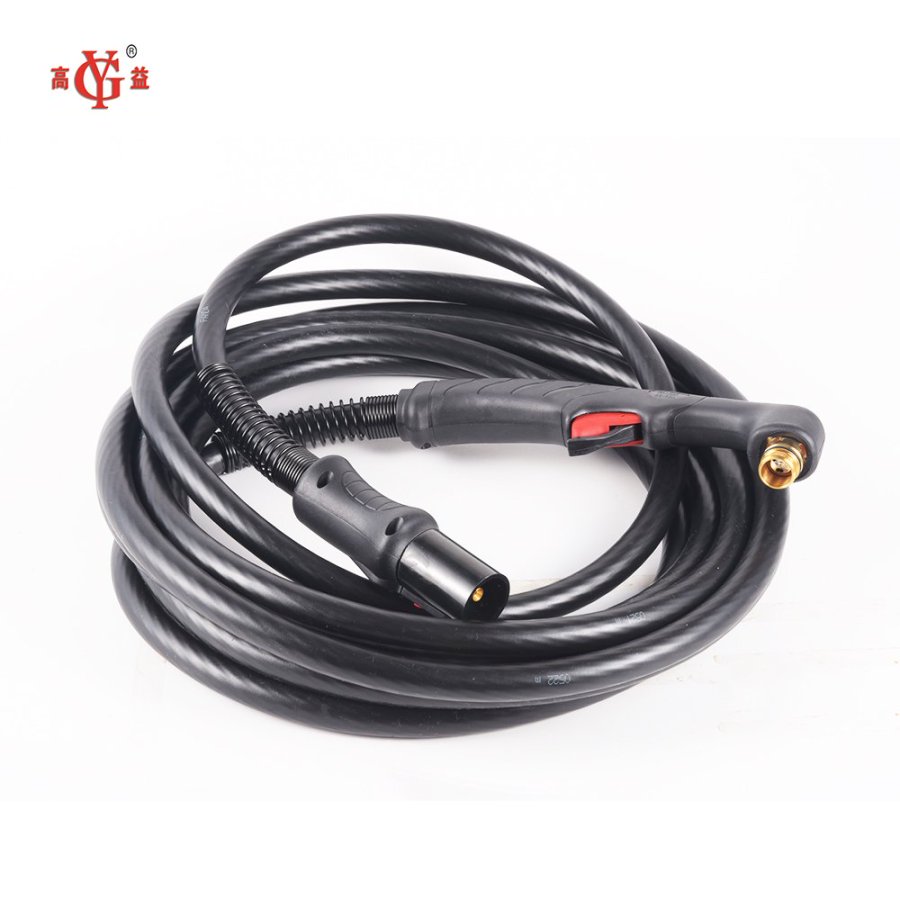
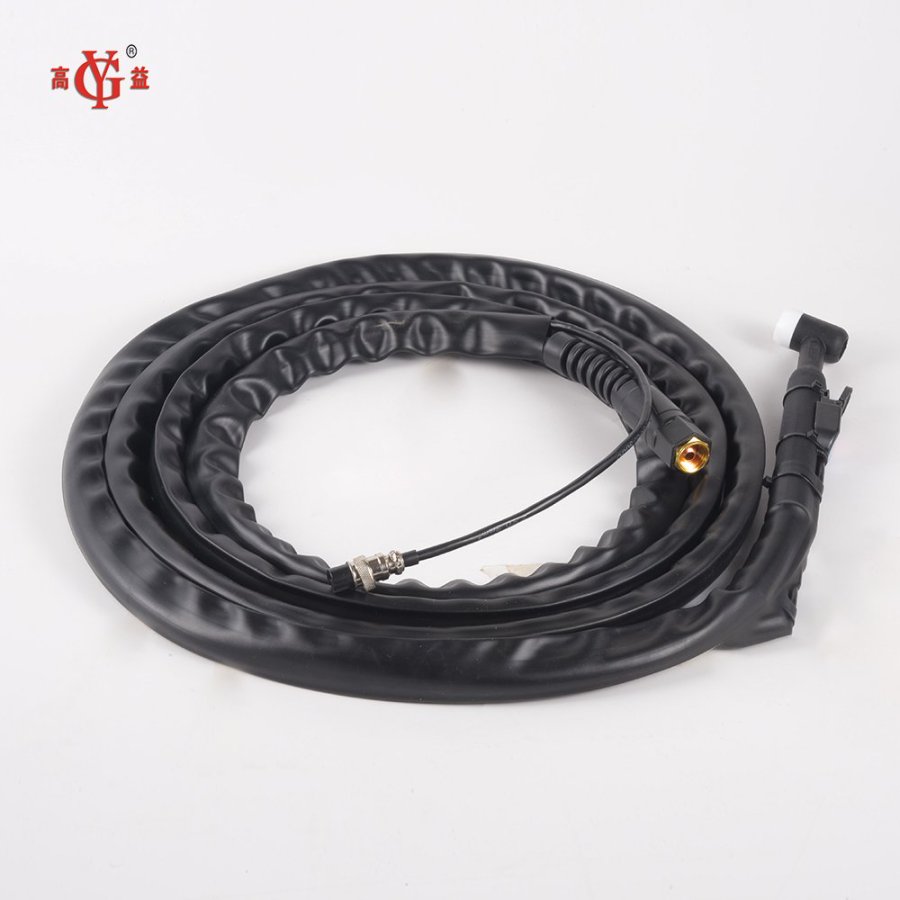
Plasma cutting is an advanced method commonly employed in the metal fabrication industry, transforming how materials are manipulated and shaped. A plasma cutting torch is a key component of this process, utilizing high-velocity ionized gas to cut through conductive metals with remarkable precision. Understanding the operational principles and advantages of plasma cutting torches can greatly enhanc

Plasma cutting is an advanced method commonly employed in the metal fabrication industry, transforming how materials are manipulated and shaped. A plasma cutting torch is a key component of this process, utilizing high-velocity ionized gas to cut through conductive metals with remarkable precision. Understanding the operational principles and advantages of plasma cutting torches can greatly enhance your capabilities in metal fabrication.
At its core, a plasma cutting torch operates by generating a plasma arc, which is created when an electric current ionizes the gas passing through the torch. This ionized gas, or plasma, reaches extremely high temperatures, enabling it to melt metal almost instantaneously. The efficiency of plasma cutting has made it a preferred choice for professionals working with a variety of metals, including steel, aluminum, and copper.
One of the major advantages of using a plasma cutting torch is its speed. Compared to traditional cutting methods, plasma cutting is significantly faster, which can lead to reduced labor costs and increased productivity. Additionally, the precision of plasma cutting minimizes the need for extensive finishing processes, as it produces clean and accurate cuts.
Moreover, plasma cutting torches are versatile and can be used for both thin and thick materials. This adaptability makes them suitable for various applications, from intricate designs to heavy-duty industrial tasks. Furthermore, advancements in technology have led to the development of handheld plasma torches, making it easier for operators to execute cuts in challenging positions or tight spaces.
When selecting a plasma cutting torch for metal fabrication, it's crucial to consider several factors. These include the thickness of the material you'll be cutting, the type of gas required (typically compressed air, nitrogen, or argon), and the torch's power supply compatibility. Understanding these elements will ensure that you choose the right equipment for your specific needs.
Safety is another critical aspect when working with plasma cutting torches. Operators should always wear appropriate protective gear, including gloves, face shields, and flame-resistant clothing, to mitigate risks associated with high temperatures and flying metal shards. Moreover, ensuring proper ventilation in the workspace can help reduce the presence of harmful fumes that may be produced during the cutting process.
In conclusion, plasma cutting torches represent a significant advancement in the field of metal fabrication. Their efficiency, versatility, and precision make them an indispensable tool for industrial professionals. By understanding how to harness the power of plasma cutting, you can elevate your metal fabrication projects to new heights, ensuring quality results while maximizing productivity.
TAG:
Related Posts
How a Handheld Tip Dresser Can Significantly Enhance Your Welding Quality
How a Handheld Tip Dresser Can Significantly Enhance Your Welding Quality
In the world of welding, achieving optimal results is critical for both industrial applications and DIY projects. One of the most effective tools in a welder's arsenal is the handheld tip dresser. This often-overlooked device plays a crucial role in maintaining and improving the quality of welding operations. In this article