
MIG Welding Torch: Essential Insights for Electrical Professionals
Aug 06,2026
MIG welding, or Metal Inert Gas welding, is a widely used process in various industries, particularly in electrical and fabricating sectors. At the heart of this process is the MIG welding torch, an essential tool that not only facilitates the welding process but also significantly impacts the quality of the weld. Understanding the components and functionalities of a MIG welding torch can enhance
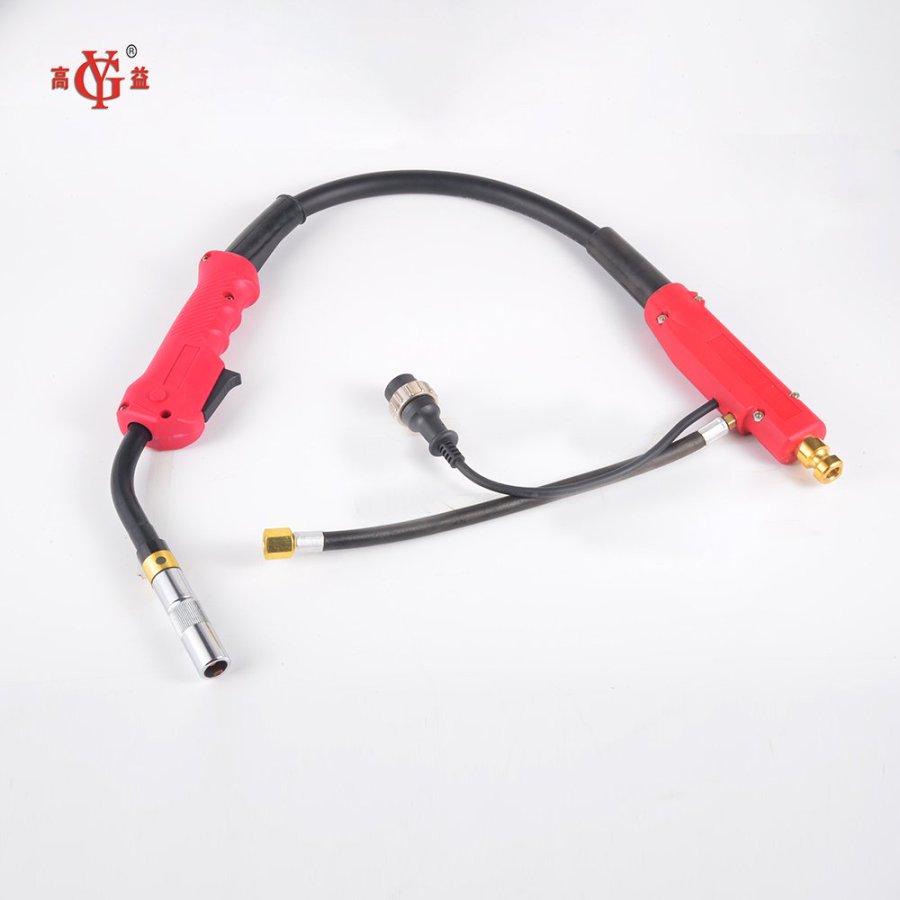
MIG welding, or Metal Inert Gas welding, is a widely used process in various industries, particularly in electrical and fabricating sectors. At the heart of this process is the MIG welding torch, an essential tool that not only facilitates the welding process but also significantly impacts the quality of the weld. Understanding the components and functionalities of a MIG welding torch can enhance your welding efficiency and outcomes.
A MIG welding torch consists of several key components, including the contact tip, nozzle, gas diffuser, and trigger. The contact tip is responsible for delivering the welding wire to the workpiece. The nozzle protects the weld pool from contamination and helps direct the shielding gas to the weld area, ensuring a clean and strong weld. The gas diffuser plays a crucial role in distributing the shielding gas evenly around the weld. Understanding these components can help you diagnose issues and replace parts as needed.
There are various types of MIG welding torches available, each designed for specific applications. Common types include air-cooled torches, which are lightweight and suitable for lower amperage jobs, and water-cooled torches, which can handle higher amperage and are more durable in demanding conditions. When selecting a MIG welding torch, consider the materials you will be working with, the thickness of the metals, and the required amperage. This ensures you choose a suitable torch that meets your project requirements.
Maintenance of your MIG welding torch is critical for optimal performance and longevity. Regularly inspect the contact tip for wear and replace it when necessary to avoid irregular welding. Cleaning the nozzle and ensuring the gas diffuser is free of obstructions can improve shielding gas flow, which is vital for preventing weld defects. Additionally, always check the connections for leaks, as proper gas flow is essential for achieving high-quality welds.
To ensure optimal performance during welding projects, proper technique is equally important. Maintain a steady hand and an appropriate distance between the torch and the workpiece. This will help you achieve consistent weld penetration and bead appearance. Additionally, practice good posture and body positioning to reduce fatigue, especially during long welding sessions.
In conclusion, a thorough understanding of the MIG welding torch, along with its components, types, maintenance, and proper use, can significantly enhance your welding capabilities. By applying these insights, electrical professionals can improve the quality of their welds, reduce downtime, and increase productivity in their welding tasks. As you continue to work with MIG welding, always prioritize safety and quality to achieve the best results.
A MIG welding torch consists of several key components, including the contact tip, nozzle, gas diffuser, and trigger. The contact tip is responsible for delivering the welding wire to the workpiece. The nozzle protects the weld pool from contamination and helps direct the shielding gas to the weld area, ensuring a clean and strong weld. The gas diffuser plays a crucial role in distributing the shielding gas evenly around the weld. Understanding these components can help you diagnose issues and replace parts as needed.
There are various types of MIG welding torches available, each designed for specific applications. Common types include air-cooled torches, which are lightweight and suitable for lower amperage jobs, and water-cooled torches, which can handle higher amperage and are more durable in demanding conditions. When selecting a MIG welding torch, consider the materials you will be working with, the thickness of the metals, and the required amperage. This ensures you choose a suitable torch that meets your project requirements.
Maintenance of your MIG welding torch is critical for optimal performance and longevity. Regularly inspect the contact tip for wear and replace it when necessary to avoid irregular welding. Cleaning the nozzle and ensuring the gas diffuser is free of obstructions can improve shielding gas flow, which is vital for preventing weld defects. Additionally, always check the connections for leaks, as proper gas flow is essential for achieving high-quality welds.
To ensure optimal performance during welding projects, proper technique is equally important. Maintain a steady hand and an appropriate distance between the torch and the workpiece. This will help you achieve consistent weld penetration and bead appearance. Additionally, practice good posture and body positioning to reduce fatigue, especially during long welding sessions.
In conclusion, a thorough understanding of the MIG welding torch, along with its components, types, maintenance, and proper use, can significantly enhance your welding capabilities. By applying these insights, electrical professionals can improve the quality of their welds, reduce downtime, and increase productivity in their welding tasks. As you continue to work with MIG welding, always prioritize safety and quality to achieve the best results.
TAG:
Related Posts
Troubleshooting Your MIG Welding Torch: Common Problems Solved
Troubleshooting Your MIG Welding Torch: Common Problems Solved
Table of Contents
1. Understanding MIG Welding Torches
2. Common MIG Welding Torch Issues
3. Problem 1: Erratic Arc
4. Problem 2: Inconsistent Wire Feed
5. Problem 3: Overheating Torch
6. Problem 4: Spatter Issues
7. Problem 5: Burnback
8. Problem 6: Gas Leaks
9. Preventative Maintenance Tips
10