
Understanding the Role of Welding Wire Feeders in MIG Welding Systems
Aug 04,2026
Welding wire feeders are critical components in MIG (Metal Inert Gas) welding systems, playing a pivotal role in ensuring smooth and consistent feeding of the welding wire to the welding arc. Understanding their function and various types can help improve the quality of your welding projects significantly.
At the core of a MIG welding system is the need for a reliable supply of welding wire, which
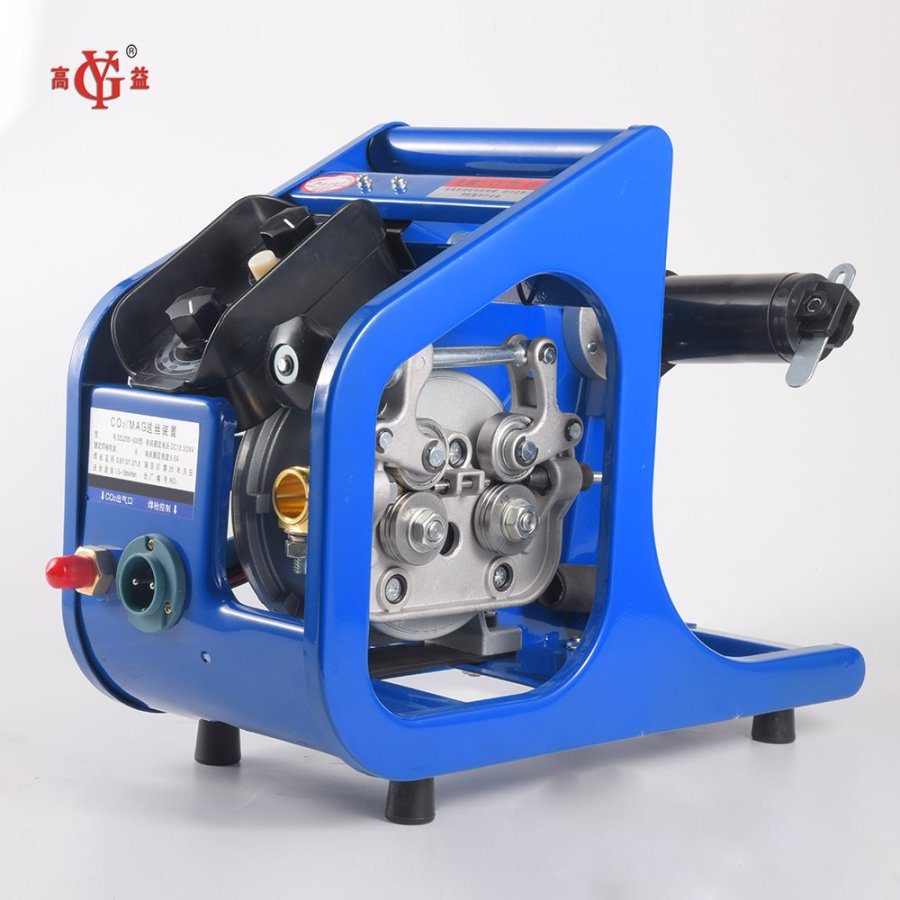
Welding wire feeders are critical components in MIG (Metal Inert Gas) welding systems, playing a pivotal role in ensuring smooth and consistent feeding of the welding wire to the welding arc. Understanding their function and various types can help improve the quality of your welding projects significantly.
At the core of a MIG welding system is the need for a reliable supply of welding wire, which is continuously fed into the welding gun during the welding process. The wire feeder regulates the speed and tension of the wire, ensuring that it is delivered at the correct rate to match the welding parameters. This is crucial as any inconsistency in wire feed can lead to defects such as porosity, lack of fusion, or excessive spatter.
There are two primary types of welding wire feeders: constant-speed and variable-speed feeders. Constant-speed feeders provide a uniform wire feed rate, which is ideal for repetitive tasks where the welding conditions remain unchanged. In contrast, variable-speed feeders allow the operator to adjust the feed rate based on the specific requirements of the weld being performed, offering greater flexibility and control over the welding process.
Wire feeders can also be categorized based on their design: push and pull systems. Push feeders, which are more common, use rollers to push the wire toward the welding gun. On the other hand, pull feeders grip the wire and pull it through the system, often used in applications where longer distances between the feeder and the welding gun are necessary, or where increased precision is required.
The material and diameter of the welding wire also play a significant role in the performance of the wire feeder. It is important to select the appropriate feeder settings according to the wire type to minimize wear on the feeder components and improve overall efficiency. Regular maintenance, such as cleaning the rollers and checking for wear, can help ensure that the wire feeder operates smoothly and prolong its lifespan.
In addition to mechanical considerations, the setup of the wire feeder can affect the welding arc stability and overall weld quality. Properly calibrating the wire feed speed and voltage settings enhances the arc stability, improving penetration and bead appearance.
In conclusion, welding wire feeders are indispensable in MIG welding systems, directly influencing the effectiveness and quality of the welding process. Understanding the different types, their mechanics, and best practices for operation can significantly enhance your welding efficiency. Whether you're an experienced welder or just starting, investing time in learning about your wire feeder will pay dividends in the results of your welding projects.
At the core of a MIG welding system is the need for a reliable supply of welding wire, which is continuously fed into the welding gun during the welding process. The wire feeder regulates the speed and tension of the wire, ensuring that it is delivered at the correct rate to match the welding parameters. This is crucial as any inconsistency in wire feed can lead to defects such as porosity, lack of fusion, or excessive spatter.
There are two primary types of welding wire feeders: constant-speed and variable-speed feeders. Constant-speed feeders provide a uniform wire feed rate, which is ideal for repetitive tasks where the welding conditions remain unchanged. In contrast, variable-speed feeders allow the operator to adjust the feed rate based on the specific requirements of the weld being performed, offering greater flexibility and control over the welding process.
Wire feeders can also be categorized based on their design: push and pull systems. Push feeders, which are more common, use rollers to push the wire toward the welding gun. On the other hand, pull feeders grip the wire and pull it through the system, often used in applications where longer distances between the feeder and the welding gun are necessary, or where increased precision is required.
The material and diameter of the welding wire also play a significant role in the performance of the wire feeder. It is important to select the appropriate feeder settings according to the wire type to minimize wear on the feeder components and improve overall efficiency. Regular maintenance, such as cleaning the rollers and checking for wear, can help ensure that the wire feeder operates smoothly and prolong its lifespan.
In addition to mechanical considerations, the setup of the wire feeder can affect the welding arc stability and overall weld quality. Properly calibrating the wire feed speed and voltage settings enhances the arc stability, improving penetration and bead appearance.
In conclusion, welding wire feeders are indispensable in MIG welding systems, directly influencing the effectiveness and quality of the welding process. Understanding the different types, their mechanics, and best practices for operation can significantly enhance your welding efficiency. Whether you're an experienced welder or just starting, investing time in learning about your wire feeder will pay dividends in the results of your welding projects.
TAG:
Related Posts
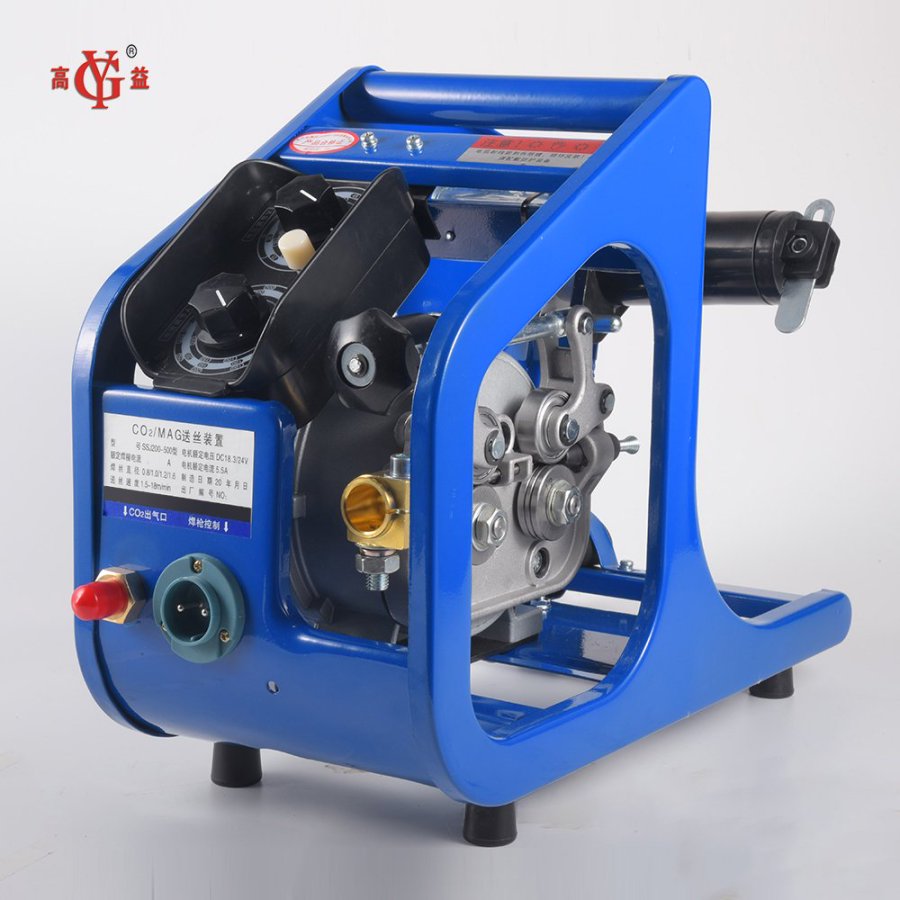
Comparing Different Types of Welding Wire Feeders for MIG Systems: A Comprehensive Guide
Comparing Different Types of Welding Wire Feeders for MIG Systems
Table of Contents
1. Introduction to MIG Welding and Wire Feeders
2. Types of Welding Wire Feeders
2.1 Semi-Automatic Wire Feeders
2.2 Fully Automatic Wire Feeders
2.3 Push-Pull Wire Feeders
2.4 Dual Gear Feeders
3. Benefits of Using Welding Wire Feeders