
Exploring the Cost-Effectiveness of Spot Welding Electrode Caps: A Comprehensive Guide
Aug 03,2026
Exploring the Cost-Effectiveness of Spot Welding Electrode Caps
Table of Contents
1. Introduction to Spot Welding Electrode Caps
2. Understanding Spot Welding
3. What Are Electrode Caps?
4. Benefits of High-Quality Spot Welding Electrode Caps
5. Cost-Effectiveness Analysis of Spot Welding Electrode Caps
6. Factors Affecting the Cost-Effectiveness of Electrode Caps
7. C

Exploring the Cost-Effectiveness of Spot Welding Electrode Caps
Table of Contents
- 1. Introduction to Spot Welding Electrode Caps
- 2. Understanding Spot Welding
- 3. What Are Electrode Caps?
- 4. Benefits of High-Quality Spot Welding Electrode Caps
- 5. Cost-Effectiveness Analysis of Spot Welding Electrode Caps
- 6. Factors Affecting the Cost-Effectiveness of Electrode Caps
- 7. Choosing the Right Electrode Cap for Your Needs
- 8. Maintenance and Care for Spot Welding Electrode Caps
- 9. Frequently Asked Questions
- 10. Conclusion
1. Introduction to Spot Welding Electrode Caps
Spot welding is a critical process in various manufacturing sectors, particularly in the automotive and electronics industries. This technique creates strong, durable joints between metal components using heat generated from electrical resistance. At the heart of this process are **electrode caps**, which play a pivotal role in ensuring the quality and efficiency of spot welding. In this article, we will explore the cost-effectiveness of these components, highlighting their importance, advantages, and how to maximize their value.
2. Understanding Spot Welding
Spot welding involves joining two or more pieces of metal by applying heat and pressure at specific points. This method is favored for its speed and efficiency, as it can produce high-strength joints without the need for additional materials like solder or adhesive. The process typically requires a welding machine equipped with specially designed electrodes that deliver the necessary current directly to the workpieces.
Key Components of Spot Welding
The main components of a spot welding system include:
- **Welding Machine**: Supplies the electrical current and pressure needed for the welding process.
- **Electrodes**: Conduct electricity and apply pressure to the metal surfaces.
- **Electrode Caps**: These caps are attached to the electrodes and serve to protect them while also optimizing the welding process.
3. What Are Electrode Caps?
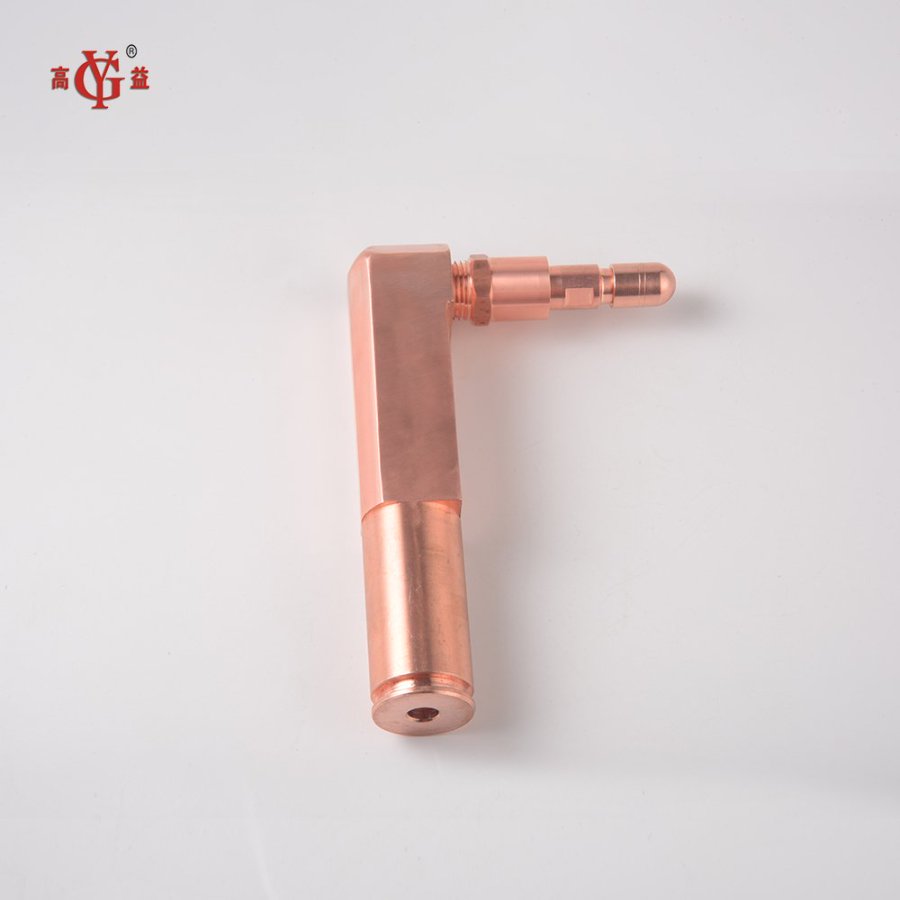
Electrode caps are protective covers placed over the ends of welding electrodes. They are typically made from conductive materials that can withstand high temperatures, such as copper or brass. The primary purpose of these caps is to enhance the performance and longevity of the electrodes, thereby improving welding efficiency.
Types of Electrode Caps
There are several types of electrode caps, each designed for specific applications and welding processes:
- **Standard Caps**: Used in general spot welding applications.
- **High-Temperature Caps**: Engineered to resist excessive heat and wear in high-temperature environments.
- **Specialized Caps**: Designed for specific materials or unique welding conditions.
4. Benefits of High-Quality Spot Welding Electrode Caps
Investing in high-quality electrode caps can yield significant benefits, including:
Enhanced Welding Quality
High-quality caps ensure better electrical conductivity and thermal performance, resulting in consistent welds that meet stringent quality standards.
Increased Longevity
Durable electrode caps are designed to withstand the rigors of the welding process, reducing the frequency of replacements and saving costs over time.
Improved Efficiency
When the right electrode caps are used, welding operations can be performed more quickly and efficiently, which leads to increased productivity in manufacturing environments.
Reduced Maintenance Costs
Quality caps minimize wear and damage to the underlying electrodes, leading to lower maintenance and replacement costs for welding equipment.
5. Cost-Effectiveness Analysis of Spot Welding Electrode Caps
To understand the cost-effectiveness of spot welding electrode caps, we must consider the initial investment versus the long-term savings they provide.
Initial Investment
When purchasing electrode caps, the upfront costs can vary based on material quality, design, and manufacturer. Standard caps may be less expensive, but they often lack the durability and performance of higher-end options.
Long-Term Savings
Quality electrode caps result in fewer failures and reduced downtime, which directly translates to cost savings in production. Moreover, the longer lifespan of high-quality caps reduces the need for frequent replacements, leading to lower overall expenses.
Return on Investment (ROI)
By analyzing the ROI, businesses can determine whether investing in premium electrode caps is a smart financial decision. Careful tracking of welding performance, costs associated with failures, and maintenance expenses can provide a clearer picture of the benefits.
6. Factors Affecting the Cost-Effectiveness of Electrode Caps
Several factors influence the cost-effectiveness of spot welding electrode caps, including:
Material Composition
The choice of materials used in electrode caps affects both their durability and performance. Copper and brass are common materials that offer good conductivity and heat resistance.
Cap Design
Innovative designs can enhance the performance of electrode caps, allowing for more efficient heat distribution and better electrical contact. Selecting caps with optimized designs can improve welding outcomes.
Welding Application
Different welding applications may require specific types of electrode caps. Understanding the requirements of your welding projects can help you choose the most effective caps.
Usage Frequency
The intensity and frequency of welding operations will impact the wear and tear on electrode caps. High-volume production may necessitate more durable options, while occasional use may allow for less expensive alternatives.
7. Choosing the Right Electrode Cap for Your Needs
Selecting the appropriate electrode cap is crucial for optimizing your welding process. Here are some key considerations:
Assess Your Welding Requirements
Evaluate the specific needs of your projects, including material types and thicknesses, to determine the ideal electrode cap.
Consult with Experts
Engaging with welding specialists or manufacturers can provide valuable insights into the best options available for your unique applications.
Test Various Options
If possible, conduct trials with different types of electrode caps to assess their performance in your specific welding environment.
8. Maintenance and Care for Spot Welding Electrode Caps
Proper maintenance of electrode caps is essential to maximize their lifespan and performance. Here are some best practices:
Regular Inspections
Frequent checks for wear, damage, and buildup of contaminants can help identify when caps need to be replaced or cleaned.
Cleaning Techniques
Using appropriate cleaning methods can prevent contamination and buildup that may adversely affect welding quality. Gentle abrasives or specialized cleaning solutions are often effective.
Storage Practices
Store electrode caps in a dry, clean environment to prevent corrosion and damage. Proper storage also ensures that they remain ready for use when needed.
9. Frequently Asked Questions
1. How often should I replace my spot welding electrode caps?
The replacement frequency depends on usage intensity and the type of caps used. Regular inspections will help determine when replacements are necessary.
2. Can I use standard electrode caps for all types of welding?
While standard caps are versatile, specialized caps may be more effective for specific applications or materials.
3. How can I improve the performance of my electrode caps?
Investing in high-quality materials, maintaining caps properly, and using appropriate cleaning techniques can enhance their performance.
4. What is the average lifespan of spot welding electrode caps?
The lifespan varies based on usage and material quality, but high-quality caps can last significantly longer than standard options.
5. Is it worth investing in premium electrode caps?
Yes, premium caps often lead to better welding quality, reduced downtime, and lower long-term costs, making them a worthwhile investment.
10. Conclusion
In conclusion, spot welding electrode caps are essential components that significantly impact the efficiency and quality of welding processes. By investing in high-quality caps, businesses can enhance their productivity, reduce maintenance costs, and achieve a favorable return on investment. Understanding the various factors influencing cost-effectiveness will empower you to make informed decisions that benefit your welding operations. By prioritizing the right materials, designs, and maintenance practices, you can ensure that your spot welding projects yield optimal results.
TAG:
Related Posts
Comparing Different Types of Welding Wire Feeders for MIG Systems: A Comprehensive Guide
Comparing Different Types of Welding Wire Feeders for MIG Systems
Table of Contents
1. Introduction to MIG Welding and Wire Feeders
2. Types of Welding Wire Feeders
2.1 Semi-Automatic Wire Feeders
2.2 Fully Automatic Wire Feeders
2.3 Push-Pull Wire Feeders
2.4 Dual Gear Feeders
3. Benefits of Using Welding Wire Feeders