
Essential Guide to Welding Wire Feeders for MIG Welding Systems
Jun 29,2026
When it comes to MIG welding systems, the welding wire feeder is a crucial component that significantly impacts the quality and efficiency of the welding process. Understanding the role of the welding wire feeder can help operators optimize their equipment and achieve better results in various industrial applications.
A welding wire feeder is responsible for delivering the welding wire to the weld
When it comes to MIG welding systems, the welding wire feeder is a crucial component that significantly impacts the quality and efficiency of the welding process. Understanding the role of the welding wire feeder can help operators optimize their equipment and achieve better results in various industrial applications.
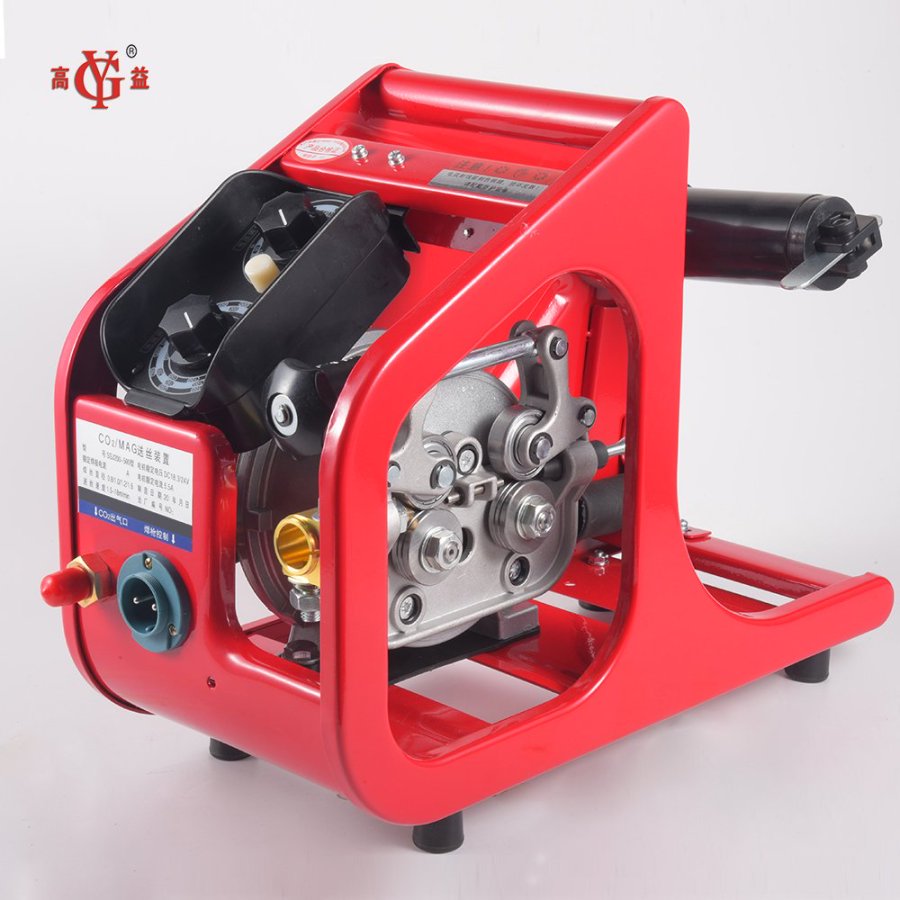
A welding wire feeder is responsible for delivering the welding wire to the welding torch in a controlled manner. This component ensures a consistent and uninterrupted flow of wire, which is essential for producing high-quality welds. Proper wire feeding reduces defects, such as porosity and burn-through, which can occur when the wire supply is inconsistent.
There are several types of welding wire feeders available, each designed to meet specific needs. The most common types include push-pull feeders, spool guns, and constant-speed feeders. Push-pull feeders are ideal for long-distance wire feeding, as they utilize two drive rolls: one to push the wire from the feeder and another to pull the wire into the torch. This design minimizes the chance of kinking or deforming the wire, making it suitable for aluminum and other soft materials.
Spool guns are another effective option for feeding welding wire, especially in applications where portability is necessary. These feeders come equipped with their own spool of wire, allowing for immediate use without the need for a separate wire feeder unit. They are commonly used for aluminum welding but can be adapted for other materials as well.
When selecting the right welding wire feeder for your MIG welding system, consider the following factors:
1. **Wire Diameter**: Ensure that the feeder can accommodate the diameter of the wire you will be using. Different feeders are designed for specific wire sizes, so it’s essential to match the feeder to your welding wire.
2. **Material Compatibility**: Different feeders may perform better with specific materials, such as steel, aluminum, or stainless steel. Choosing a feeder compatible with your welding material will improve the quality of your welds.
3. **Feeding Distance**: If your welding setup requires long distances between the wire feeder and the welding torch, opt for a push-pull system that can maintain wire integrity over longer runs.
4. **Adjustment Features**: Look for feeders that offer adjustable tension settings, allowing you to fine-tune the pressure applied to the wire. This feature can help reduce the risk of wire slippage or crushing.
5. **Durability**: In industrial environments, durability is key. Select a feeder that is built to withstand the rigors of daily use, ensuring it can maintain consistent performance over time.
In conclusion, a well-chosen welding wire feeder can greatly enhance the performance of your MIG welding system. By understanding the various types of feeders and their functionalities, you can make informed decisions that lead to improved welding outcomes and efficiency in your operations.
A welding wire feeder is responsible for delivering the welding wire to the welding torch in a controlled manner. This component ensures a consistent and uninterrupted flow of wire, which is essential for producing high-quality welds. Proper wire feeding reduces defects, such as porosity and burn-through, which can occur when the wire supply is inconsistent.
There are several types of welding wire feeders available, each designed to meet specific needs. The most common types include push-pull feeders, spool guns, and constant-speed feeders. Push-pull feeders are ideal for long-distance wire feeding, as they utilize two drive rolls: one to push the wire from the feeder and another to pull the wire into the torch. This design minimizes the chance of kinking or deforming the wire, making it suitable for aluminum and other soft materials.
Spool guns are another effective option for feeding welding wire, especially in applications where portability is necessary. These feeders come equipped with their own spool of wire, allowing for immediate use without the need for a separate wire feeder unit. They are commonly used for aluminum welding but can be adapted for other materials as well.
When selecting the right welding wire feeder for your MIG welding system, consider the following factors:
1. **Wire Diameter**: Ensure that the feeder can accommodate the diameter of the wire you will be using. Different feeders are designed for specific wire sizes, so it’s essential to match the feeder to your welding wire.
2. **Material Compatibility**: Different feeders may perform better with specific materials, such as steel, aluminum, or stainless steel. Choosing a feeder compatible with your welding material will improve the quality of your welds.
3. **Feeding Distance**: If your welding setup requires long distances between the wire feeder and the welding torch, opt for a push-pull system that can maintain wire integrity over longer runs.
4. **Adjustment Features**: Look for feeders that offer adjustable tension settings, allowing you to fine-tune the pressure applied to the wire. This feature can help reduce the risk of wire slippage or crushing.
5. **Durability**: In industrial environments, durability is key. Select a feeder that is built to withstand the rigors of daily use, ensuring it can maintain consistent performance over time.
In conclusion, a well-chosen welding wire feeder can greatly enhance the performance of your MIG welding system. By understanding the various types of feeders and their functionalities, you can make informed decisions that lead to improved welding outcomes and efficiency in your operations.
TAG:
Previous
Related Posts
Essential Guide to Welding Wire Feeders for MIG Welding Systems
When it comes to MIG welding systems, the welding wire feeder is a crucial component that significantly impacts the quality and efficiency of the welding process. Understanding the role of the welding wire feeder can help operators optimize their equipment and achieve better results in various industrial applications.
A welding wire feeder is responsible for delivering the welding wire to the weld