
An In-Depth Guide to Different Types of Plasma Cutting Torches
Jun 24,2026
An In-Depth Guide to Different Types of Plasma Cutting Torches
Plasma cutting is an invaluable technique in industrial settings, particularly in metal fabrication and welding applications. **Plasma cutting torches** are essential tools that enable users to cut through various types of metals with precision and speed. This guide delves deep into the different types of plasma cutting torches availab

An In-Depth Guide to Different Types of Plasma Cutting Torches
Plasma cutting is an invaluable technique in industrial settings, particularly in metal fabrication and welding applications. **Plasma cutting torches** are essential tools that enable users to cut through various types of metals with precision and speed. This guide delves deep into the different types of plasma cutting torches available in the market, their unique features, and how to choose the right one for your specific needs.
Table of Contents
- Introduction to Plasma Cutting
- What is a Plasma Cutting Torch?
- Types of Plasma Cutting Torches
- Components of Plasma Cutting Torches
- How to Choose the Right Plasma Cutting Torch
- Maintenance of Plasma Cutting Torches
- Safety Tips for Plasma Cutting
- Frequently Asked Questions
- Conclusion
Introduction to Plasma Cutting
Plasma cutting utilizes ionized gas, or plasma, to cut through electrically conductive materials. When the gas is heated to extremely high temperatures, it becomes ionized, allowing it to conduct electricity. This process generates a focused, high-temperature arc that can easily sever metals, making plasma cutting one of the most efficient cutting methods available.
What is a Plasma Cutting Torch?
A plasma cutting torch is a tool designed to deliver the plasma arc necessary for cutting. It consists of several components that work together seamlessly to create the cutting process. Understanding the different parts of the torch and their functions can significantly enhance your cutting experience.
Types of Plasma Cutting Torches
Plasma cutting torches can be classified into three primary categories: handheld, mechanized, and automated. Each type is tailored for specific applications and user requirements.
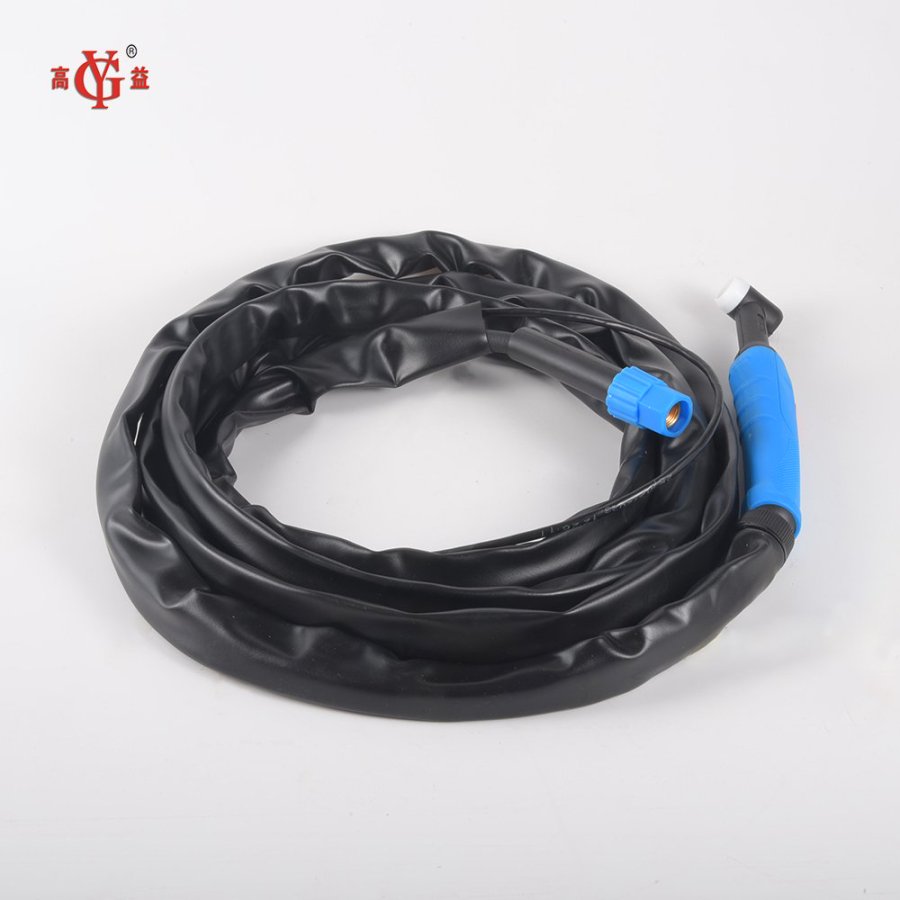
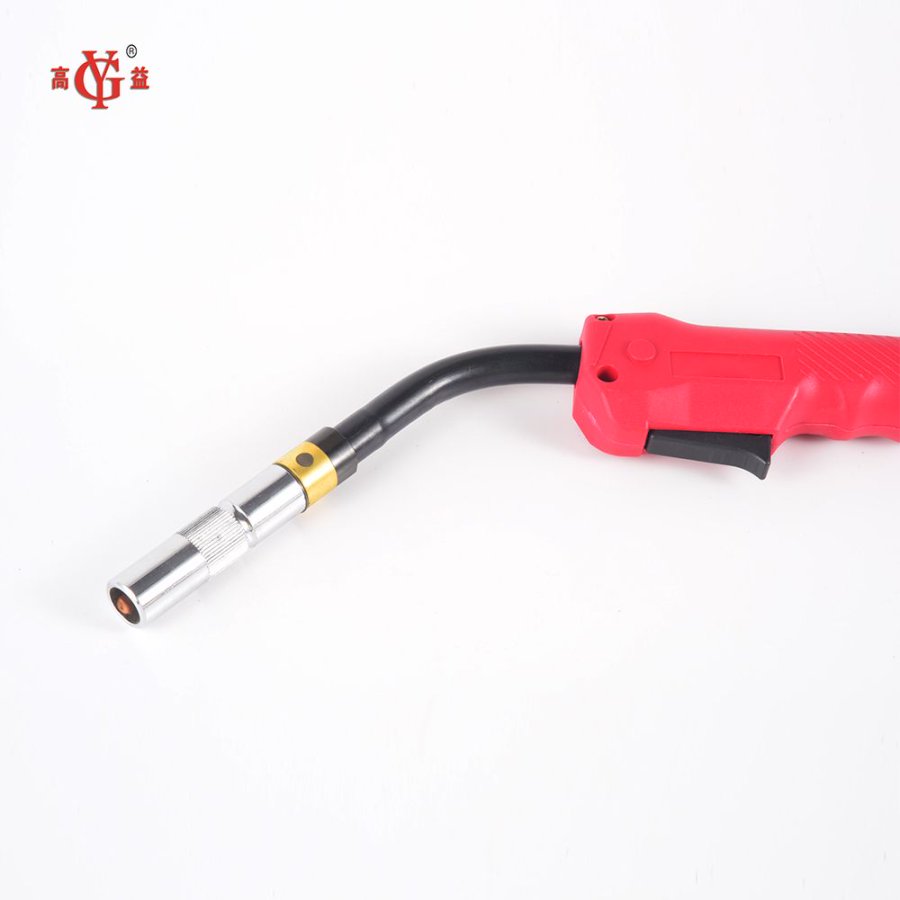
Handheld Plasma Cutting Torches
Handheld plasma cutting torches are the most common type used in various industries. They are versatile and ideal for cutting small to medium-sized sheets and materials.
**Key Features:**
- **Portability**: These torches are lightweight and easy to maneuver, making them suitable for onsite work.
- **User Control**: Operators have direct control over the cutting process, allowing for a more hands-on approach.
- **Applications**: Perfect for maintenance work, repairs, and small-scale fabrication.
When using handheld plasma cutting torches, it’s essential to practice proper techniques to achieve smooth cuts and enhance the torch's lifespan.
Mechanized Plasma Cutting Torches
Mechanized plasma cutting torches are designed for use with cutting machines and CNC systems. These torches are ideal for high-volume cutting tasks and intricate designs.
**Key Features:**
- **Precision**: Offers high accuracy in cutting complex shapes and patterns.
- **Speed**: Increases productivity by automating the cutting process.
- **Applications**: Widely used in manufacturing and large-scale fabrication projects.
Understanding the technical specifications of mechanized plasma cutting torches can help users select the right one for their CNC systems.
Automated Plasma Cutting Torches
Automated plasma cutting torches are similar to mechanized torches but are equipped with advanced technologies that enable fully automated operations.
**Key Features:**
- **Automation**: Integration with robotics and automated systems for efficiency.
- **Consistency**: Delivers uniform cuts across numerous pieces, enhancing repeatability.
- **Applications**: Commonly used in large-scale manufacturing environments for mass production.
These torches require more initial investment but can offer significant long-term savings through reduced labor costs and increased efficiency.
Components of Plasma Cutting Torches
Understanding the components of a plasma cutting torch can greatly enhance your cutting experience. Each part plays a crucial role in the overall performance of the torch.
1. Electrode
The electrode is a critical component that helps generate the plasma arc. It is usually made from a conductive material such as tungsten and must be replaced periodically to maintain optimal performance.
2. Nozzle
The nozzle shapes and directs the plasma arc. Different nozzle sizes can be used depending on the thickness and type of material being cut.
3. Gas Supply
The plasma gas (typically air, nitrogen, or argon) is delivered to the torch via the gas supply line. Proper gas selection can affect the quality and speed of the cut.
4. Cooling System
Some plasma cutting torches come equipped with a cooling system to prevent overheating during operation. This extends the lifespan of the torch and enhances its performance.
How to Choose the Right Plasma Cutting Torch
Selecting the right plasma cutting torch can be a daunting task due to the variety of options available. Here are some key factors to consider:
1. Material Thickness
Know the thickness of the materials you will be cutting. Different torches are rated for specific thickness levels, so ensure you choose one that meets your requirements.
2. Frequency of Use
If you plan to use the torch frequently, consider investing in a higher-end model that offers durability and advanced features.
3. Type of Cutting
Determine whether you need a handheld, mechanized, or automated torch based on your cutting needs and workspace.
4. Budget
Set a budget before shopping for a plasma cutting torch. This will help narrow down your options and ensure you choose a torch that meets your needs without overspending.
Maintenance of Plasma Cutting Torches
Regular maintenance is crucial for the longevity and performance of plasma cutting torches. Here’s how to keep your torch in excellent condition:
1. Clean the Nozzle and Electrode
Regularly inspect and clean the nozzle and electrode to prevent buildup that can affect performance.
2. Check Gas Supply
Ensure the gas supply lines are free from obstructions and leaks, as this can impact the quality of the cut.
3. Replace Worn Parts
Monitor the wear and tear on components like the electrode and nozzle. Replacing these parts when necessary helps maintain cutting quality.
4. Store Properly
After use, store the plasma cutting torch in a cool, dry place to prevent damage and corrosion.
Safety Tips for Plasma Cutting
Safety should always be a top priority when using plasma cutting torches. Here are essential safety tips to adhere to:
1. Use Protective Gear
Always wear appropriate protective gear, including gloves, goggles, and flame-resistant clothing, to safeguard against sparks and heat.
2. Ensure Proper Ventilation
When cutting materials that can produce hazardous fumes, ensure your workspace is well-ventilated, or use respiratory protection.
3. Keep a Fire Extinguisher Nearby
Always have a fire extinguisher accessible in case of emergencies.
4. Follow Manufacturer Instructions
Adhere to the manufacturer’s guidelines for setup, operation, and maintenance to ensure safe usage of the plasma cutting torch.
Frequently Asked Questions
1. What materials can be cut with a plasma cutting torch?
Plasma cutting torches can cut through various conductive materials, including steel, aluminum, brass, and copper.
2. How thick can a plasma cutting torch cut?
The thickness a plasma cutting torch can handle depends on the model and specifications. Generally, handheld models can cut up to 1/2 inch, while mechanized models can cut thicker materials.
3. Is plasma cutting suitable for beginners?
Yes, handheld plasma cutting torches are user-friendly and can be suitable for beginners with proper training and safety precautions.
4. How often should I replace the electrode and nozzle?
The frequency of replacement depends on usage. Regular inspection is crucial, but typically these parts should be replaced after several hours of cutting.
5. Can I use a plasma cutter indoors?
While possible, it’s essential to ensure proper ventilation when using a plasma cutter indoors to avoid the accumulation of harmful fumes.
Conclusion
Understanding the different types of plasma cutting torches, their components, and maintenance techniques is essential for anyone looking to enhance their metal cutting capabilities. By selecting the appropriate torch for your needs and following safety protocols, you can achieve high-quality cuts and maintain a safe working environment. Whether you opt for a handheld, mechanized, or automated torch, investing time in understanding your tools will lead to improved results and greater satisfaction in your projects.
TAG:
Related Posts
Maximizing Efficiency with Handheld Tip Dressers in Welding Operations
Handheld tip dressers are essential tools for professionals in the welding and cutting industries, particularly when it comes to maintaining the quality of welding equipment. These devices are designed to prepare and reshape the tips of welding torches or electrodes, ensuring optimal performance and longevity. In this article, we will explore the importance of handheld tip dressers, their benefits