
Understanding TIG Welding Torches: Essential Knowledge for Professionals
Jun 23,2026
TIG welding torches, also known as tungsten inert gas welding torches, play a crucial role in the welding process. They are designed for high-quality, precise welds on various materials, including stainless steel, aluminum, and copper. Understanding the intricacies of TIG welding torches can significantly improve your welding skills and outcomes.
### Components of a TIG Welding Torch
A standard TI
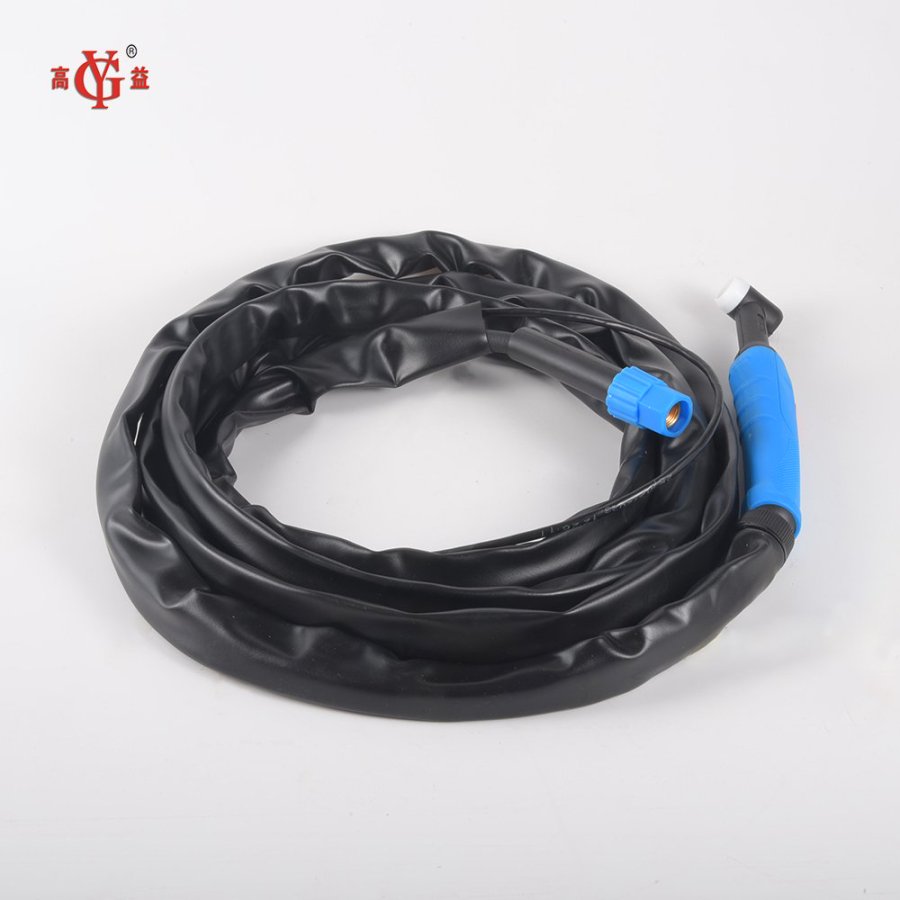
TIG welding torches, also known as tungsten inert gas welding torches, play a crucial role in the welding process. They are designed for high-quality, precise welds on various materials, including stainless steel, aluminum, and copper. Understanding the intricacies of TIG welding torches can significantly improve your welding skills and outcomes.
### Components of a TIG Welding Torch
A standard TIG welding torch consists of several key components, each serving a specific function:
1. **Electrode:** The tungsten electrode is the heart of the torch, creating the arc necessary for welding. Different tungsten types and diameters can be selected based on the material and thickness being welded.
2. **Collet and Collet Body:** These components hold the electrode securely in place. The collet size should match the diameter of the tungsten being used to ensure proper fitting.
3. **Gas Lens:** This component helps to provide a stable gas flow, which protects the weld area from contamination. Gas lenses can enhance arc stability and improve the quality of the weld.
4. **Cup:** The cup, or gas cup, is where the shielding gas exits the torch. It comes in various sizes to accommodate different welding applications and can influence the heat distribution during the welding process.
### Types of TIG Welding Torches
TIG welding torches come in various configurations, tailored to different applications:
- **Air-Cooled Torches:** Suitable for less intensive welding tasks, these torches rely on air to cool down the components. They are typically lighter and more portable, making them ideal for fieldwork.
- **Water-Cooled Torches:** Designed for high-amperage applications, water-cooled torches use water circulation to dissipate heat effectively. They are heavier but offer superior cooling capabilities, making them suitable for long welding sessions or thicker materials.
### Maintenance Tips
Proper maintenance of your TIG welding torch is essential for optimal performance and longevity:
- **Regular Cleaning:** After each use, ensure that the torch components are cleaned of any spatter or contamination. This will help maintain a clear path for the shielding gas and prevent arc instability.
- **Inspect Components:** Regularly check the electrode, collet, and gas lens for wear and tear. Replacing worn-out parts promptly can help avoid poor weld quality.
- **Check Gas Flow:** Ensuring that the shielding gas flow is steady and at the right level is crucial for preventing oxidation and contamination during welding.
### Conclusion
Understanding the components, types, and maintenance of TIG welding torches is vital for achieving high-quality welds. Whether you are working with thin materials or engaging in larger projects, familiarizing yourself with your torch can elevate your welding craftsmanship. By paying attention to details and maintaining your equipment, you can ensure that you are always prepared for your welding tasks.
### Components of a TIG Welding Torch
A standard TIG welding torch consists of several key components, each serving a specific function:
1. **Electrode:** The tungsten electrode is the heart of the torch, creating the arc necessary for welding. Different tungsten types and diameters can be selected based on the material and thickness being welded.
2. **Collet and Collet Body:** These components hold the electrode securely in place. The collet size should match the diameter of the tungsten being used to ensure proper fitting.
3. **Gas Lens:** This component helps to provide a stable gas flow, which protects the weld area from contamination. Gas lenses can enhance arc stability and improve the quality of the weld.
4. **Cup:** The cup, or gas cup, is where the shielding gas exits the torch. It comes in various sizes to accommodate different welding applications and can influence the heat distribution during the welding process.
### Types of TIG Welding Torches
TIG welding torches come in various configurations, tailored to different applications:
- **Air-Cooled Torches:** Suitable for less intensive welding tasks, these torches rely on air to cool down the components. They are typically lighter and more portable, making them ideal for fieldwork.
- **Water-Cooled Torches:** Designed for high-amperage applications, water-cooled torches use water circulation to dissipate heat effectively. They are heavier but offer superior cooling capabilities, making them suitable for long welding sessions or thicker materials.
### Maintenance Tips
Proper maintenance of your TIG welding torch is essential for optimal performance and longevity:
- **Regular Cleaning:** After each use, ensure that the torch components are cleaned of any spatter or contamination. This will help maintain a clear path for the shielding gas and prevent arc instability.
- **Inspect Components:** Regularly check the electrode, collet, and gas lens for wear and tear. Replacing worn-out parts promptly can help avoid poor weld quality.
- **Check Gas Flow:** Ensuring that the shielding gas flow is steady and at the right level is crucial for preventing oxidation and contamination during welding.
### Conclusion
Understanding the components, types, and maintenance of TIG welding torches is vital for achieving high-quality welds. Whether you are working with thin materials or engaging in larger projects, familiarizing yourself with your torch can elevate your welding craftsmanship. By paying attention to details and maintaining your equipment, you can ensure that you are always prepared for your welding tasks.
TAG:
Previous
Related Posts
Understanding TIG Welding Torches: Essential Knowledge for Professionals
TIG welding torches, also known as tungsten inert gas welding torches, play a crucial role in the welding process. They are designed for high-quality, precise welds on various materials, including stainless steel, aluminum, and copper. Understanding the intricacies of TIG welding torches can significantly improve your welding skills and outcomes.
### Components of a TIG Welding Torch
A standard TI