
Essential Guide to Plasma Cutting Torches for Metal Fabrication
Jun 04,2026
In the realm of industrial equipment, particularly within the welding and cutting sector, plasma cutting torches hold a pivotal role in metal fabrication. These advanced tools utilize a high-velocity jet of ionized gas to cut through various metals with precision and efficiency. Understanding the fundamentals of plasma cutting torches can significantly benefit professionals looking to optimize the
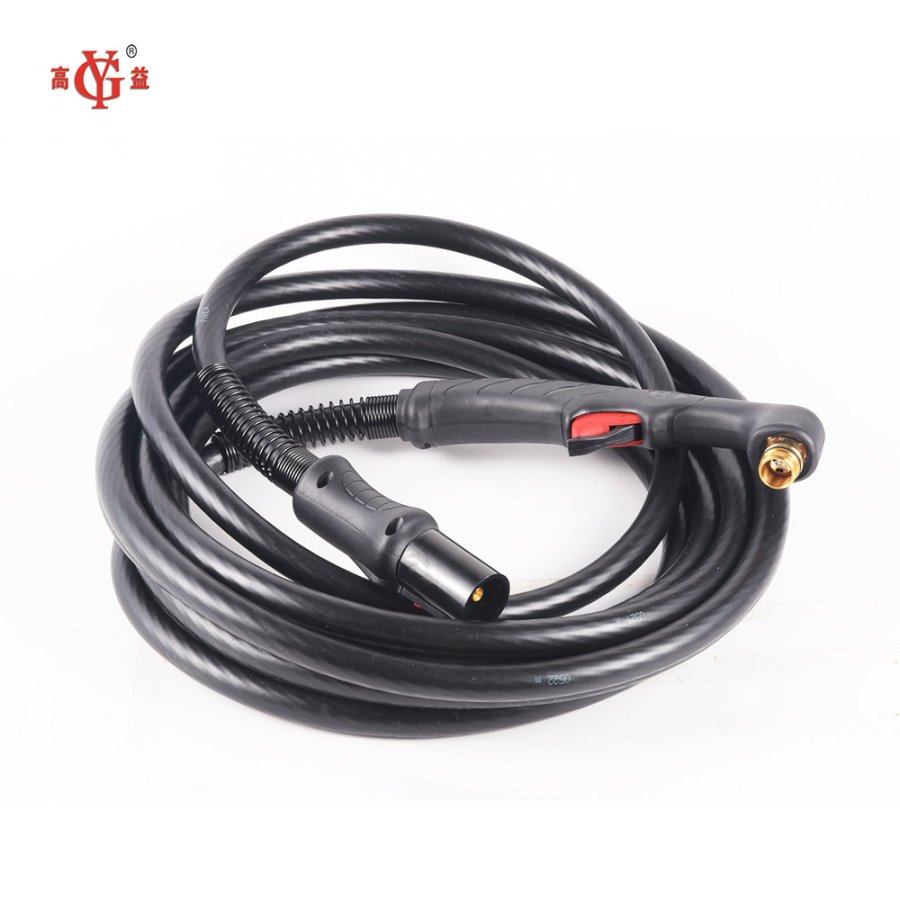
In the realm of industrial equipment, particularly within the welding and cutting sector, plasma cutting torches hold a pivotal role in metal fabrication. These advanced tools utilize a high-velocity jet of ionized gas to cut through various metals with precision and efficiency. Understanding the fundamentals of plasma cutting torches can significantly benefit professionals looking to optimize their fabrication processes.
Firstly, plasma cutting works by sending an electric arc through a gas, typically compressed air, which ionizes the gas and transforms it into plasma. This exceptionally hot plasma then melts the metal, and the force of the jet blows the molten metal away, resulting in a clean cut. One of the standout advantages of plasma cutting torches is their versatility; they can effectively cut through a wide range of materials including steel, aluminum, copper, and even stainless steel.
When selecting a plasma cutting torch for metal fabrication, several factors should be taken into consideration. The thickness of the material to be cut plays a critical role in determining the appropriate torch. Different torches are designed to handle various thicknesses, and understanding this can help prevent equipment damage and ensure optimal performance. For instance, a torch suitable for cutting thin metals may not be effective for thicker materials, which require a more robust cutting solution.
Another important aspect is the power supply. Plasma cutting torches can operate on either single-phase or three-phase power supply, which influences their cutting capacity. Depending on the scale of your operation, choosing the right power supply is essential for efficiency and effectiveness. Additionally, look for torches that offer adjustable settings, allowing for customization based on specific cutting requirements.
Safety should also be a priority when working with plasma cutting torches. Proper protective equipment such as gloves, goggles, and aprons can safeguard against high temperatures and flying debris. Furthermore, ensuring that the workspace is well-ventilated will help mitigate the risk of inhaling harmful fumes produced during cutting.
In conclusion, plasma cutting torches are invaluable tools in the metal fabrication industry. Their ability to deliver precise and efficient cuts makes them a preferred choice among professionals. When selecting a torch, consider factors such as material thickness, power supply, and safety measures to enhance your cutting operations. Embracing these guidelines will not only improve productivity but also ensure long-term success in your metal fabrication projects.
Firstly, plasma cutting works by sending an electric arc through a gas, typically compressed air, which ionizes the gas and transforms it into plasma. This exceptionally hot plasma then melts the metal, and the force of the jet blows the molten metal away, resulting in a clean cut. One of the standout advantages of plasma cutting torches is their versatility; they can effectively cut through a wide range of materials including steel, aluminum, copper, and even stainless steel.
When selecting a plasma cutting torch for metal fabrication, several factors should be taken into consideration. The thickness of the material to be cut plays a critical role in determining the appropriate torch. Different torches are designed to handle various thicknesses, and understanding this can help prevent equipment damage and ensure optimal performance. For instance, a torch suitable for cutting thin metals may not be effective for thicker materials, which require a more robust cutting solution.
Another important aspect is the power supply. Plasma cutting torches can operate on either single-phase or three-phase power supply, which influences their cutting capacity. Depending on the scale of your operation, choosing the right power supply is essential for efficiency and effectiveness. Additionally, look for torches that offer adjustable settings, allowing for customization based on specific cutting requirements.
Safety should also be a priority when working with plasma cutting torches. Proper protective equipment such as gloves, goggles, and aprons can safeguard against high temperatures and flying debris. Furthermore, ensuring that the workspace is well-ventilated will help mitigate the risk of inhaling harmful fumes produced during cutting.
In conclusion, plasma cutting torches are invaluable tools in the metal fabrication industry. Their ability to deliver precise and efficient cuts makes them a preferred choice among professionals. When selecting a torch, consider factors such as material thickness, power supply, and safety measures to enhance your cutting operations. Embracing these guidelines will not only improve productivity but also ensure long-term success in your metal fabrication projects.
TAG:
Related Posts
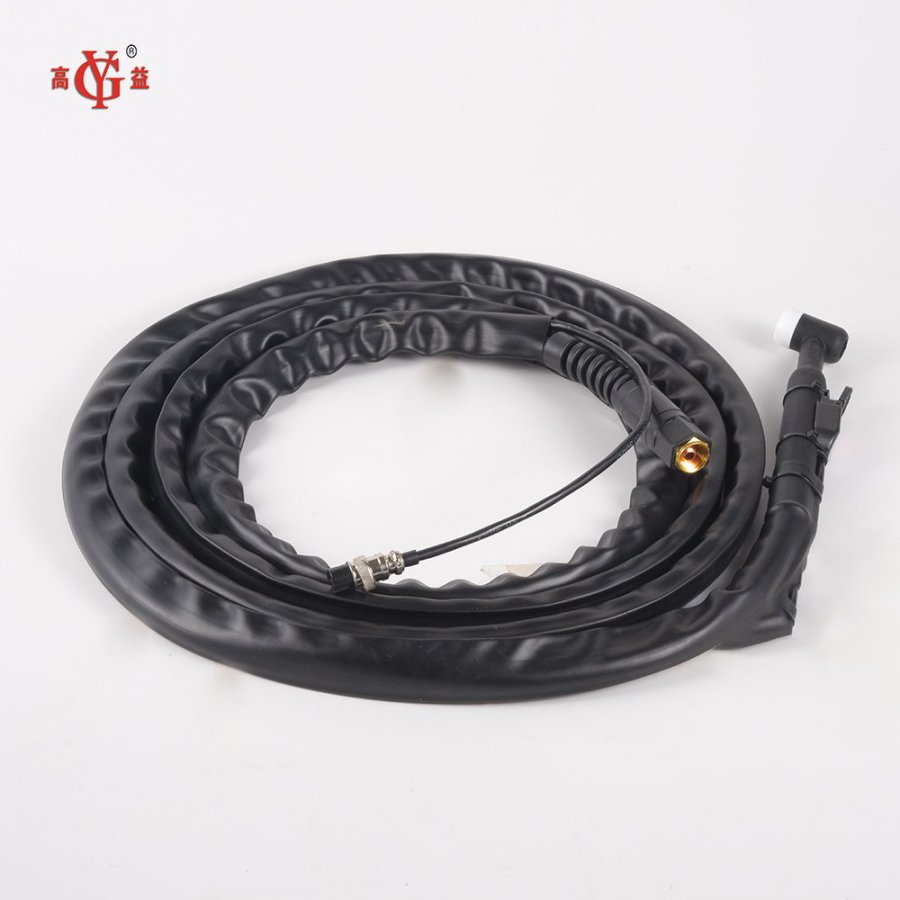
The Art of TIG Welding: Mastering Your Torch for Perfect Results
The Art of TIG Welding: Mastering Your Torch for Perfect Results
TIG (Tungsten Inert Gas) welding is a sophisticated process that requires a deep understanding of technique, equipment, and material behavior. In this extensive guide, we will explore the nuances of mastering your TIG torch, focusing on achieving perfect results in your welding projects.
Table of Contents
1. Introduction to TIG Weldi