
Mastering Plasma Cutting Torches: A Guide for Metal Fabrication Professionals
May 17,2026
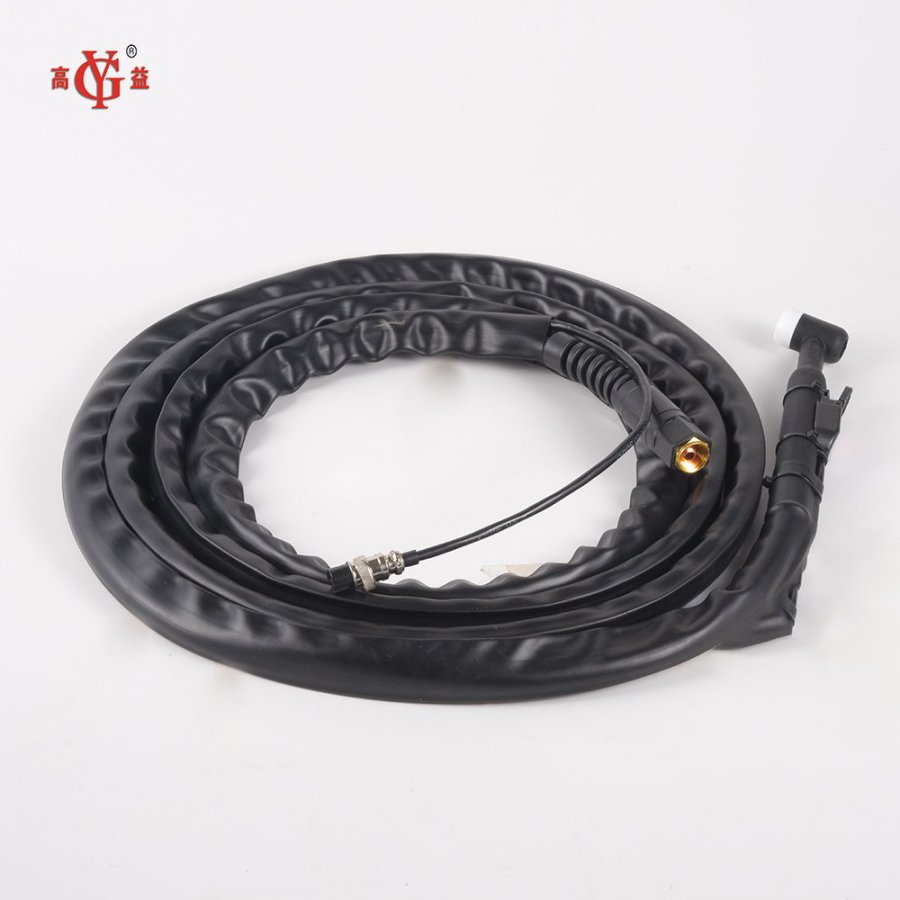
Plasma cutting torches are indispensable for metal fabrication, making them a cornerstone of modern industrial equipment and cutting processes. Understanding how to effectively use these tools can significantly enhance productivity and efficiency in various applications, particularly in welding and cutting operations.
### What is a Plasma Cutting Torch?
A plasma cutting torch utilizes a high-velo
Plasma cutting torches are indispensable for metal fabrication, making them a cornerstone of modern industrial equipment and cutting processes. Understanding how to effectively use these tools can significantly enhance productivity and efficiency in various applications, particularly in welding and cutting operations.
### What is a Plasma Cutting Torch?
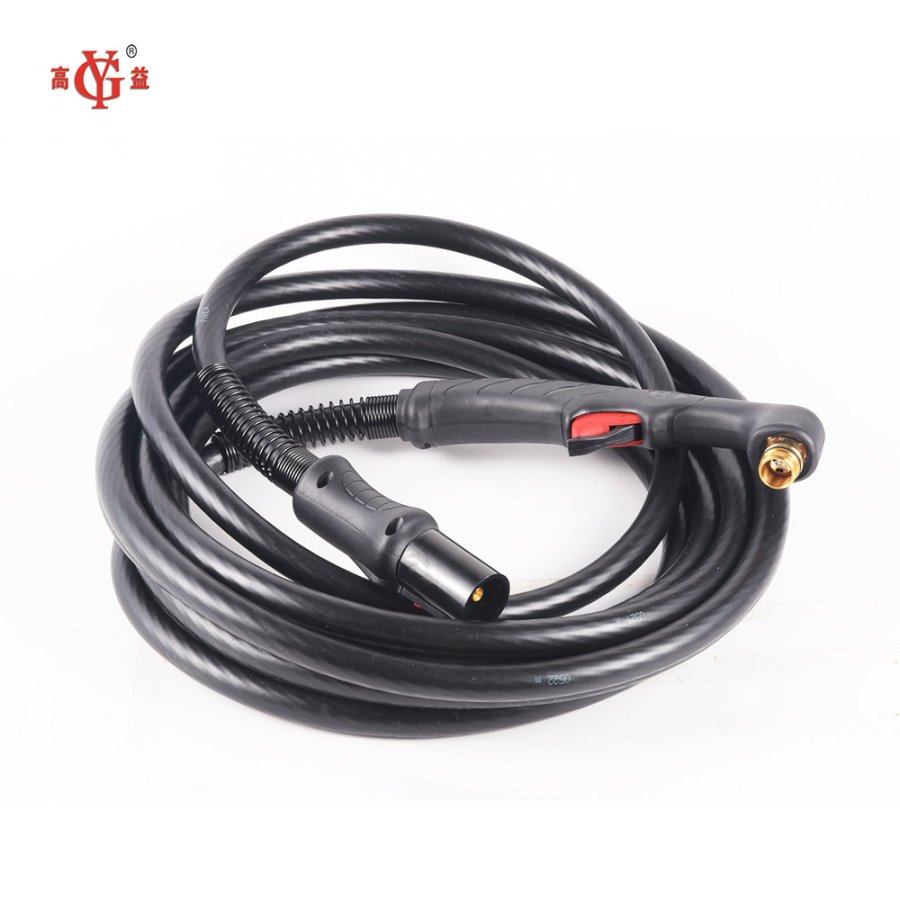
A plasma cutting torch utilizes a high-velocity jet of ionized gas (plasma) to cut through conductive materials like steel, aluminum, brass, and copper. The process works by creating an electrical arc between the torch's electrode and the workpiece, which heats the gas until it becomes plasma. This superheated gas then melts the metal and blows it away, resulting in a clean cut.
### Advantages of Plasma Cutting
1. **Speed and Precision**: Plasma cutting is one of the fastest methods for cutting metal. The technology allows for precise cuts with minimal kerf, making it ideal for intricate designs and detailed work.
2. **Versatility**: It can cut through various materials and thicknesses, making it a versatile choice for fabricators working with different metals.
3. **Less Heat Affected Zone (HAZ)**: Compared to other cutting methods, plasma cutting produces a smaller HAZ, reducing the risk of warping or damage to the surrounding material.
### Key Considerations When Choosing a Plasma Cutting Torch
1. **Power Supply**: The capacity of the power supply is crucial. Ensure that the plasma cutter can deliver enough amperage for the thickness of the metal you intend to cut. Higher amperage allows for cutting thicker materials.
2. **Torch Compatibility**: Check for compatibility with your existing equipment. Some torches may require specific types of plasma cutters, so confirm that your torch matches the specifications of your machine.
3. **Nozzle Size**: The size of the nozzle affects the cutting speed and quality. A smaller nozzle provides a more focused cut, suitable for thin materials, while larger nozzles are better for thicker pieces.
### Maintenance Tips
Proper maintenance is vital to ensure the longevity and efficiency of your plasma cutting torch. Regularly inspect the torch for wear and tear, and replace consumable parts like electrodes and nozzles as needed. Keeping the torch clean and free of debris will also enhance performance.
### Conclusion
Incorporating a plasma cutting torch into your metal fabrication operations can lead to significant improvements in efficiency and quality. By understanding the advantages, selecting the right equipment, and maintaining it properly, you can maximize the benefits of this powerful tool. Whether you're a seasoned professional or new to the industry, mastering plasma cutting technology is a valuable investment in your skillset and capabilities.
### What is a Plasma Cutting Torch?
A plasma cutting torch utilizes a high-velocity jet of ionized gas (plasma) to cut through conductive materials like steel, aluminum, brass, and copper. The process works by creating an electrical arc between the torch's electrode and the workpiece, which heats the gas until it becomes plasma. This superheated gas then melts the metal and blows it away, resulting in a clean cut.
### Advantages of Plasma Cutting
1. **Speed and Precision**: Plasma cutting is one of the fastest methods for cutting metal. The technology allows for precise cuts with minimal kerf, making it ideal for intricate designs and detailed work.
2. **Versatility**: It can cut through various materials and thicknesses, making it a versatile choice for fabricators working with different metals.
3. **Less Heat Affected Zone (HAZ)**: Compared to other cutting methods, plasma cutting produces a smaller HAZ, reducing the risk of warping or damage to the surrounding material.
### Key Considerations When Choosing a Plasma Cutting Torch
1. **Power Supply**: The capacity of the power supply is crucial. Ensure that the plasma cutter can deliver enough amperage for the thickness of the metal you intend to cut. Higher amperage allows for cutting thicker materials.
2. **Torch Compatibility**: Check for compatibility with your existing equipment. Some torches may require specific types of plasma cutters, so confirm that your torch matches the specifications of your machine.
3. **Nozzle Size**: The size of the nozzle affects the cutting speed and quality. A smaller nozzle provides a more focused cut, suitable for thin materials, while larger nozzles are better for thicker pieces.
### Maintenance Tips
Proper maintenance is vital to ensure the longevity and efficiency of your plasma cutting torch. Regularly inspect the torch for wear and tear, and replace consumable parts like electrodes and nozzles as needed. Keeping the torch clean and free of debris will also enhance performance.
### Conclusion
Incorporating a plasma cutting torch into your metal fabrication operations can lead to significant improvements in efficiency and quality. By understanding the advantages, selecting the right equipment, and maintaining it properly, you can maximize the benefits of this powerful tool. Whether you're a seasoned professional or new to the industry, mastering plasma cutting technology is a valuable investment in your skillset and capabilities.
TAG:
Related Posts
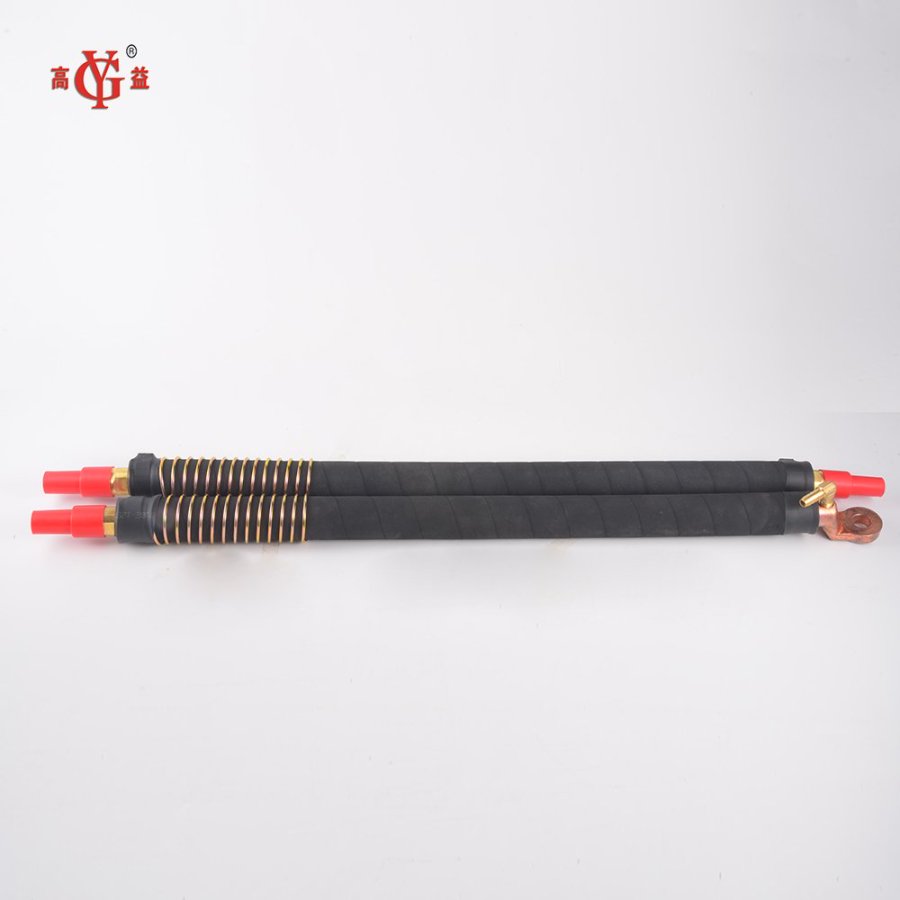
Choosing Non-Inductive Welding Cables for a Stable Arc: Essential Insights
In the world of electrical engineering, particularly in the welding industry, the choice of cables significantly impacts the quality and efficiency of the welding process. Non-inductive welding cables are specifically designed to enhance the stability of the arc, ensuring a smoother and more consistent welding performance. Understanding the properties and benefits of these cables can be crucial fo