
How to Choose a TIG Welding Torch for Hobby Projects: A Comprehensive Guide
May 16,2026
How to Choose a TIG Welding Torch for Hobby Projects
Table of Contents
Understanding TIG Welding and Its Applications
The Importance of a Quality TIG Welding Torch
Types of TIG Welding Torches
Selecting the Right TIG Welding Torch for Your Projects
Key Components of a TIG Welding Torch
Choosing Welding Electrodes and Filler Materials
Essential Safety Tips for TIG Welding
FAQs Abou
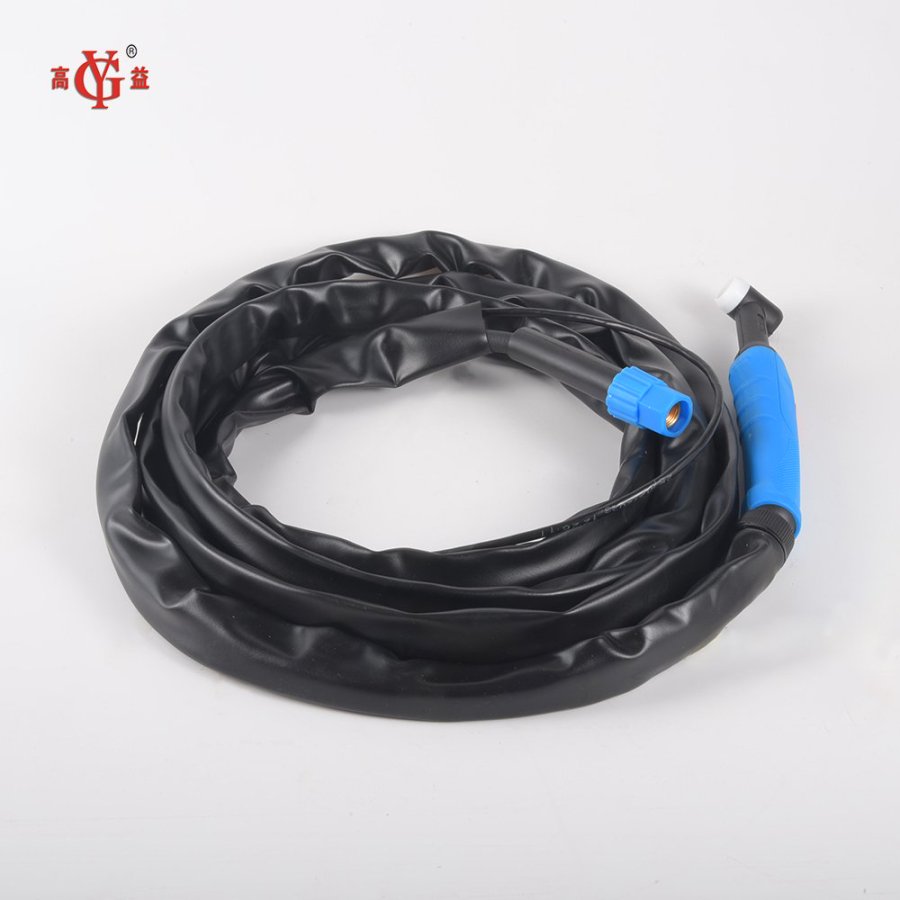
How to Choose a TIG Welding Torch for Hobby Projects
Table of Contents
- Understanding TIG Welding and Its Applications
- The Importance of a Quality TIG Welding Torch
- Types of TIG Welding Torches
- Selecting the Right TIG Welding Torch for Your Projects
- Key Components of a TIG Welding Torch
- Choosing Welding Electrodes and Filler Materials
- Essential Safety Tips for TIG Welding
- FAQs About TIG Welding Torches
- Conclusion
Understanding TIG Welding and Its Applications
TIG (Tungsten Inert Gas) welding is a versatile welding process that utilizes a non-consumable tungsten electrode to produce a weld. This process is favored for its precision and ability to weld a variety of metals, including aluminum, stainless steel, and magnesium. For hobbyists, mastering TIG welding opens up a world of creative possibilities, from crafting intricate art pieces to repairing machinery.
One of the main benefits of TIG welding is the control it provides. This allows welders to achieve high-quality welds with a clean finish. Whether you are working on automotive projects, DIY crafts, or metal fabrication, understanding the fundamentals of TIG welding is essential.
The Importance of a Quality TIG Welding Torch
Choosing a high-quality TIG welding torch is crucial for successful welding outcomes. A reliable torch not only enhances the quality of your welds but also ensures safety during the welding process. Investing in a superior torch can lead to better control, efficiency, and overall satisfaction with your projects.
A quality TIG welding torch features durable construction materials and ergonomic designs that allow for comfortable handling during extended usage. Ensuring that your torch meets your project requirements and personal preferences is imperative for achieving the best results.
Types of TIG Welding Torches
When selecting a TIG welding torch for hobby projects, it’s essential to understand the different types available:
1. Air-Cooled TIG Welding Torches
Air-cooled torches are lightweight and do not require additional cooling systems. They are suitable for hobbyists working on low to medium amperage projects. These torches are easier to handle and are ideal for small-scale projects.
2. Water-Cooled TIG Welding Torches
Water-cooled torches are more robust and designed for high-amperage applications. They use water circulation to dissipate heat, allowing for longer welding sessions without overheating. While they are heavier and require a more complex setup, they are perfect for hobbyists who engage in more extensive welding tasks.
3. Adjustable Nozzle TORCHES
These torches come with adjustable nozzles that allow users to change the width of the gas coverage. This feature is beneficial when working with various materials and thicknesses, providing flexibility and control.
4. Specialty Torches
Specialty torches are designed specifically for certain applications, such as welding in tight spaces or high-position welding. If your hobby projects require unique welding techniques, investing in a specialty torch may be advantageous.
Selecting the Right TIG Welding Torch for Your Projects
When it comes to selecting the perfect TIG welding torch for your hobby projects, consider the following factors:
1. Amperage Requirements
Determine the amperage range you'll be working with. For low-amperage projects, an air-cooled torch may suffice, whereas high-amperage welding will necessitate a water-cooled torch.
2. Material Types
Consider the materials you will be welding. Different materials may require specific types of torches and filler materials. Researching the compatibility of your chosen torch with your materials ensures better results.
3. Project Size and Complexity
Evaluate the size and complexity of your projects. Simpler projects may only require a basic torch, while more intricate work may benefit from specialized torches with advanced features.
4. Personal Comfort
Handling comfort is crucial, especially for extended welding sessions. Choose a torch that feels balanced and comfortable in your hand, as this will enhance your overall welding experience.
Key Components of a TIG Welding Torch
Understanding the components of a TIG welding torch is essential for making an informed decision:
1. Tungsten Electrode
The tungsten electrode is the heart of the torch, providing the arc necessary for welding. Selecting the correct electrode type and size is fundamental for achieving optimal results.
2. Collet and Collet Body
The collet holds the tungsten electrode in place and comes in various sizes to accommodate different electrode diameters. The collet body acts as a connection point for the torch and the power source.
3. Nozzle
The nozzle controls the flow of shielding gas and protects the tungsten electrode. The diameter of the nozzle can impact the width of the weld bead, making it essential to choose one that matches your project needs.
4. Gas Lens
Gas lenses are optional but can improve gas coverage and reduce turbulence, resulting in cleaner welds. They are particularly beneficial for applications requiring precision.
5. Handle
An ergonomic handle ensures comfortable operation and allows for better control during welding. Look for torches with grips designed for extended use.
Choosing Welding Electrodes and Filler Materials
Selecting the right welding electrodes and filler materials is as critical as choosing the right torch. Here are some considerations:
1. Tungsten Electrode Types
Tungsten electrodes come in different types, such as pure tungsten, thoriated, and lanthanated. Each type has its advantages depending on the material being welded. For hobby projects, lanthanated tungsten is often recommended due to its versatility and performance.
2. Filler Material Compatibility
Ensure that the filler materials you choose are compatible with the base metals you are welding. This compatibility is essential for achieving strong, reliable welds.
Essential Safety Tips for TIG Welding
Safety should always be a top priority during welding projects. Here are essential safety tips to keep in mind:
1. Wear Appropriate Protective Gear
Always wear protective clothing, including gloves, welding helmets, and safety glasses. This gear protects against burns and exposure to harmful UV radiation.
2. Ensure Proper Ventilation
TIG welding can produce harmful fumes. Work in a well-ventilated area or use fume extraction systems to minimize exposure.
3. Maintain a Clean Workspace
Keep your workspace organized and free of flammable materials. A clean environment reduces the risk of accidents.
4. Regular Equipment Checks
Conduct regular checks on your welding equipment, including hoses, connections, and the torch itself. Ensuring everything is in good working condition helps prevent malfunctions during welding.
FAQs About TIG Welding Torches
1. What is the difference between air-cooled and water-cooled TIG welding torches?
Air-cooled torches are lightweight and suitable for low to medium amperage projects, while water-cooled torches are designed for high-amperage applications and can handle longer welding sessions without overheating.
2. How do I choose the right tungsten electrode for my project?
Choose a tungsten electrode type based on the materials you're welding. For general purposes, lanthanated tungsten is often recommended due to its versatility.
3. Can I use a TIG welding torch for different materials?
Yes, a TIG welding torch can be used for various materials, including aluminum, stainless steel, and magnesium. Ensure you select the appropriate filler material for each project.
4. How often should I replace my tungsten electrode?
Replace your tungsten electrode if it shows signs of wear, such as a rounded tip or significant discoloration. A well-maintained electrode contributes to cleaner welds.
5. What safety equipment do I need for TIG welding?
Essential safety equipment includes a welding helmet, safety glasses, gloves, and protective clothing. Proper gear protects against burns and exposure to harmful UV radiation.
Conclusion
Choosing the right TIG welding torch for your hobby projects is a vital step in enhancing your welding experience. By understanding the different types of torches, their components, and the safety precautions necessary, you can make informed decisions that lead to successful, high-quality welds. Whether you are a beginner or an experienced hobbyist, the right tools and knowledge will empower you to create remarkable projects in the world of TIG welding.
TAG:
Related Posts
How to Choose a TIG Welding Torch for Hobby Projects: A Comprehensive Guide
How to Choose a TIG Welding Torch for Hobby Projects
Table of Contents
Understanding TIG Welding and Its Applications
The Importance of a Quality TIG Welding Torch
Types of TIG Welding Torches
Selecting the Right TIG Welding Torch for Your Projects
Key Components of a TIG Welding Torch
Choosing Welding Electrodes and Filler Materials
Essential Safety Tips for TIG Welding
FAQs Abou