
Understanding the Essentials of TIG Welding Torches: A Comprehensive Guide
Apr 01,2026
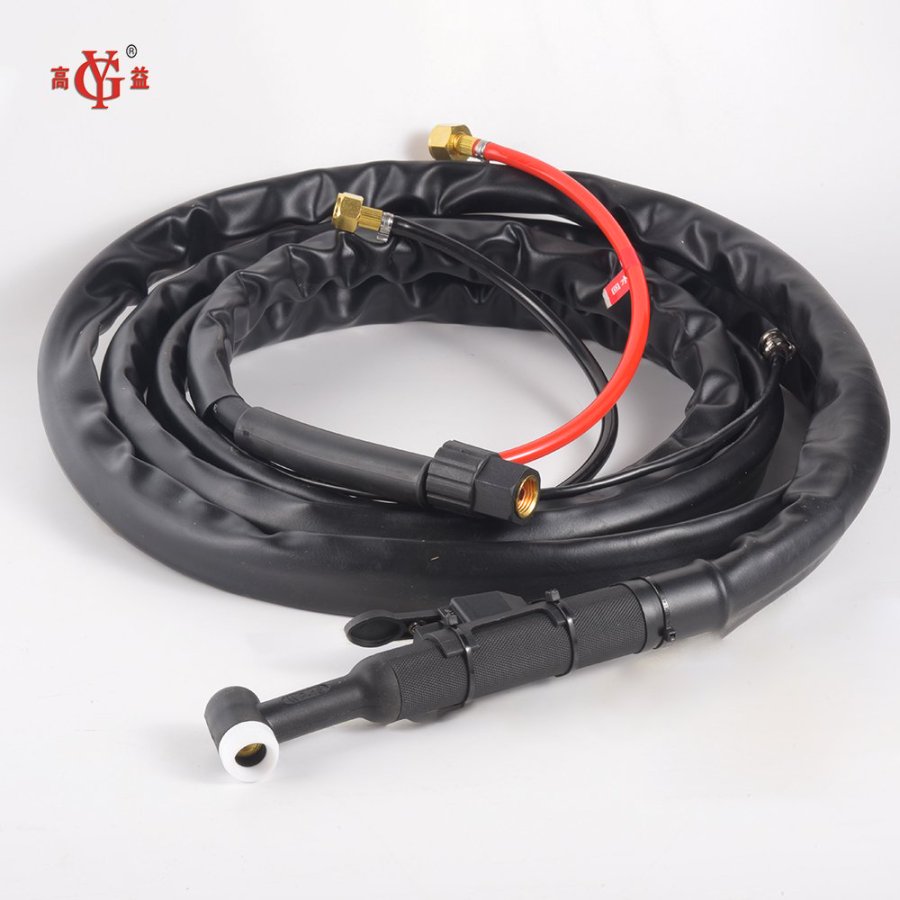
TIG welding, short for Tungsten Inert Gas welding, is a highly versatile and precise welding technique widely used in various industries. Central to this process is the TIG welding torch, which plays a crucial role in determining the quality and precision of the weld. Understanding the components and operation of a TIG welding torch is essential for anyone involved in welding tasks.
A typical TIG
TIG welding, short for Tungsten Inert Gas welding, is a highly versatile and precise welding technique widely used in various industries. Central to this process is the TIG welding torch, which plays a crucial role in determining the quality and precision of the weld. Understanding the components and operation of a TIG welding torch is essential for anyone involved in welding tasks.
A typical TIG welding torch consists of several key components, including the electrode holder, gas nozzle, collet, and collet body. The tungsten electrode, which is housed within the torch, is responsible for creating the arc that melts the base metal and filler material. The torch also protects the molten pool with an inert gas, usually argon or helium, which shields the weld from atmospheric contamination.
One of the primary considerations when selecting a TIG welding torch is the amperage rating. Different applications require different amperage levels, and torches are designed to handle various ranges. It's essential to match the torch to the specific welding job to ensure optimal performance and avoid overheating or damaging the equipment.
Additionally, the length and type of the torch can significantly impact your welding experience. A longer torch can provide better reach in tight spaces, while a shorter torch may offer greater control for intricate welds. Flexibility is also a key factor; rotary or flex head torches can provide increased maneuverability, especially in complex welding scenarios.
When using a TIG welding torch, proper technique is crucial. Maintaining the right angle between the torch and the workpiece ensures a stable arc and consistent heat distribution. The welder should also move at a steady pace to prevent burn-through or inadequate fusion. Practicing these techniques can lead to higher-quality welds and greater efficiency.
In terms of maintenance, keeping the torch clean and well-maintained is vital for consistent performance. Regularly inspect the tungsten electrode for wear and replace it as necessary. Accumulations of spatter or debris can interfere with gas flow, so cleaning the nozzle regularly is equally important.
In conclusion, a thorough understanding of TIG welding torches is essential for anyone involved in welding operations. From selecting the right components to mastering the technique, investing time in learning about your TIG welding torch can lead to significantly improved results in your welding projects. As you delve deeper into the world of TIG welding, you'll find that the torch is not just a tool but a critical partner in achieving precision and excellence in your work.
A typical TIG welding torch consists of several key components, including the electrode holder, gas nozzle, collet, and collet body. The tungsten electrode, which is housed within the torch, is responsible for creating the arc that melts the base metal and filler material. The torch also protects the molten pool with an inert gas, usually argon or helium, which shields the weld from atmospheric contamination.
One of the primary considerations when selecting a TIG welding torch is the amperage rating. Different applications require different amperage levels, and torches are designed to handle various ranges. It's essential to match the torch to the specific welding job to ensure optimal performance and avoid overheating or damaging the equipment.
Additionally, the length and type of the torch can significantly impact your welding experience. A longer torch can provide better reach in tight spaces, while a shorter torch may offer greater control for intricate welds. Flexibility is also a key factor; rotary or flex head torches can provide increased maneuverability, especially in complex welding scenarios.
When using a TIG welding torch, proper technique is crucial. Maintaining the right angle between the torch and the workpiece ensures a stable arc and consistent heat distribution. The welder should also move at a steady pace to prevent burn-through or inadequate fusion. Practicing these techniques can lead to higher-quality welds and greater efficiency.
In terms of maintenance, keeping the torch clean and well-maintained is vital for consistent performance. Regularly inspect the tungsten electrode for wear and replace it as necessary. Accumulations of spatter or debris can interfere with gas flow, so cleaning the nozzle regularly is equally important.
In conclusion, a thorough understanding of TIG welding torches is essential for anyone involved in welding operations. From selecting the right components to mastering the technique, investing time in learning about your TIG welding torch can lead to significantly improved results in your welding projects. As you delve deeper into the world of TIG welding, you'll find that the torch is not just a tool but a critical partner in achieving precision and excellence in your work.
TAG:
Previous:
Related Posts
Understanding the Essentials of TIG Welding Torches: A Comprehensive Guide
TIG welding, short for Tungsten Inert Gas welding, is a highly versatile and precise welding technique widely used in various industries. Central to this process is the TIG welding torch, which plays a crucial role in determining the quality and precision of the weld. Understanding the components and operation of a TIG welding torch is essential for anyone involved in welding tasks.
A typical TIG