
MIG Welding Torch vs. TIG Welding Torch: Which is Right for You?
Mar 31,2026
MIG Welding Torch vs. TIG Welding Torch: Which is Right for You?
Introduction to Welding Torches
Welding is a crucial process in various industries, from construction to automotive manufacturing. Two of the most widely used welding methods are MIG (Metal Inert Gas) welding and TIG (Tungsten Inert Gas) welding. Each method employs a different type of torch, which significantly impacts the welding p
MIG Welding Torch vs. TIG Welding Torch: Which is Right for You?
Introduction to Welding Torches
Welding is a crucial process in various industries, from construction to automotive manufacturing. Two of the most widely used welding methods are MIG (Metal Inert Gas) welding and TIG (Tungsten Inert Gas) welding. Each method employs a different type of torch, which significantly impacts the welding process. In this article, we delve into the *MIG welding torch vs. TIG welding torch* debate, helping you identify which option best meets your specific needs.
Understanding MIG Welding Torches
What is MIG Welding?
MIG welding is a semi-automatic or automatic process that uses a continuous wire feed to create an electric arc between the wire electrode and the workpiece. An inert gas, typically argon or a mixture of argon and carbon dioxide, shields the weld area from contamination.
Components of a MIG Welding Torch
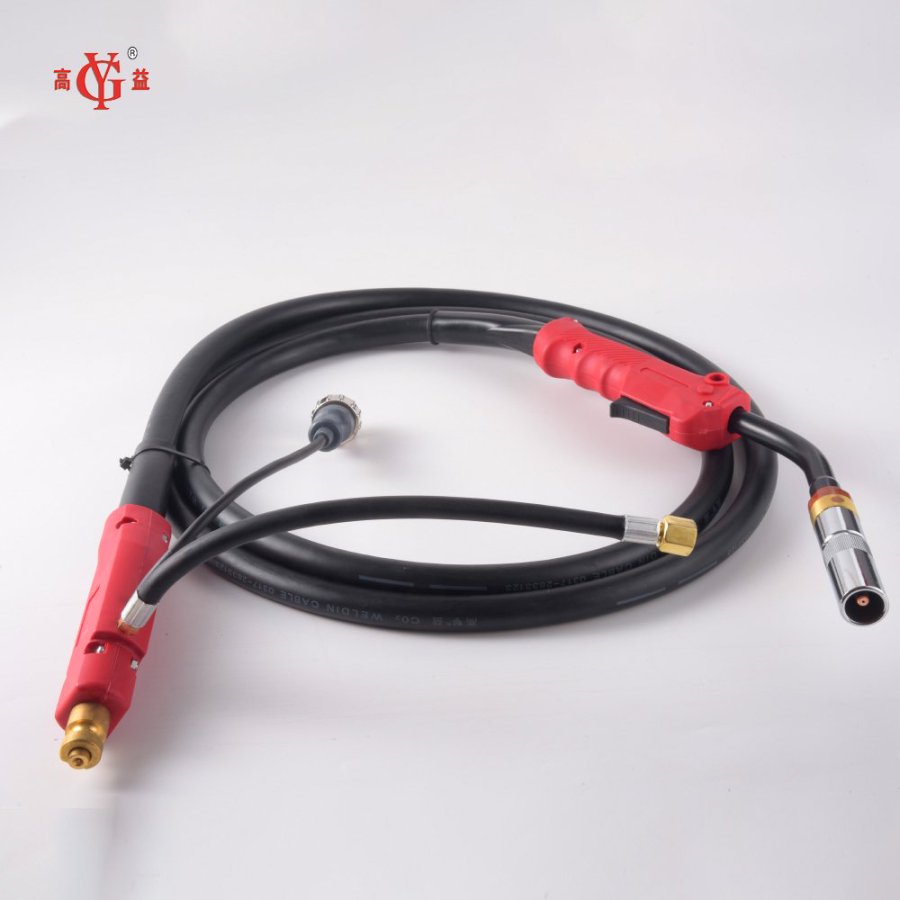
A MIG welding torch consists of several essential components:
- **Contact Tip**: This is where the welding wire exits the torch and makes contact with the workpiece.
- **Gas Diffuser**: This component helps distribute shielding gas evenly around the weld pool.
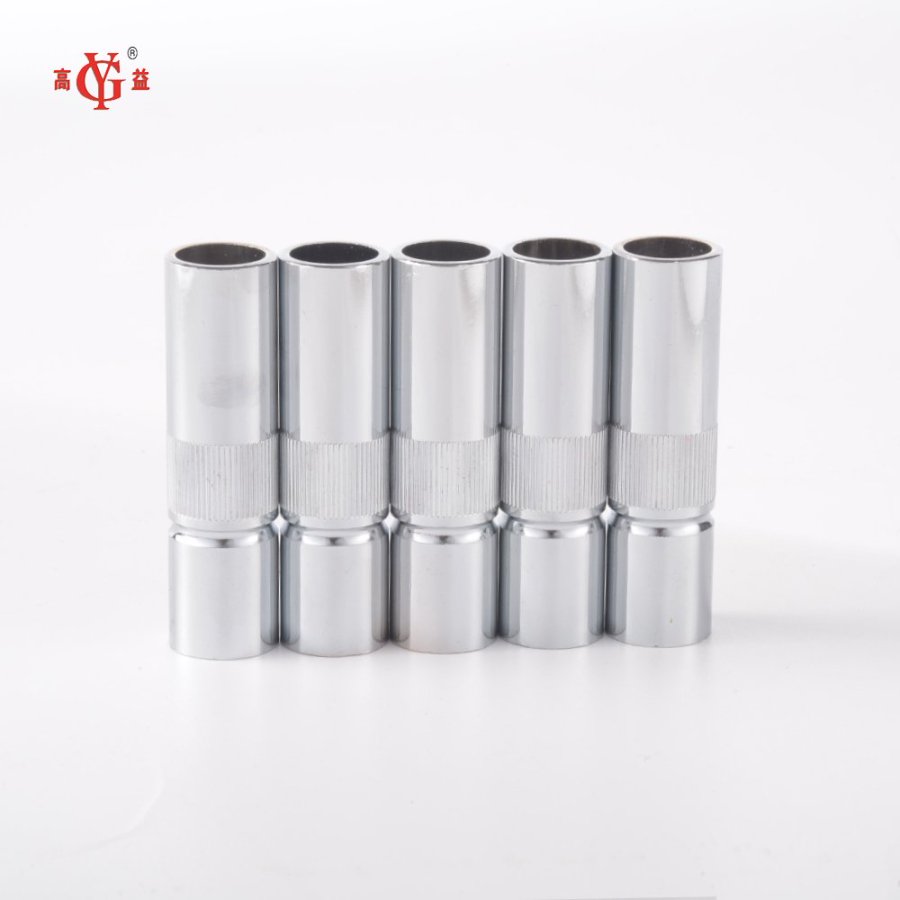
- **Nozzle**: The nozzle protects the contact tip and helps concentrate the shielding gas.
- **Trigger**: Activates the wire feed and gas flow.
Advantages of MIG Welding Torches
MIG welding offers several advantages:
- **Speed and Efficiency**: The continuous wire feed allows for faster welding speeds.
- **Ease of Use**: This method is relatively easy for beginners to learn.
- **Versatility**: MIG welding can be used on various metals, including steel, aluminum, and stainless steel.
Disadvantages of MIG Welding Torches
While MIG welding has its benefits, it also has some drawbacks:
- **Limited Control**: The process may not provide the precision needed for intricate welds.
- **Post-Weld Cleanup**: MIG welding can result in slag that requires additional cleanup.
Understanding TIG Welding Torches
What is TIG Welding?
TIG welding, also known as gas tungsten arc welding (GTAW), uses a non-consumable tungsten electrode to create the weld. A separate filler rod may be used, and the entire process is shielded by an inert gas, usually argon.
Components of a TIG Welding Torch
A TIG welding torch comprises several key parts:
- **Tungsten Electrode**: This non-consumable electrode provides the current needed to create the arc.
- **Collet and Collet Body**: These hold the tungsten electrode in place.
- **Gas Lens**: This component helps to control the flow of shielding gas.
- **Nozzle**: Similar to MIG torches, it protects the electrode and helps direct the gas.
Advantages of TIG Welding Torches
TIG welding presents a host of advantages:
- **Superior Control**: TIG welding allows for precise control over the heat input and weld pool.
- **Clean Welds**: It produces minimal spatter and no slag, resulting in cleaner welds.
- **Versatility in Materials**: TIG can weld a broader range of materials, including exotic metals.
Disadvantages of TIG Welding Torches
Despite its benefits, TIG welding has its limitations:
- **Slower Speed**: The process is generally slower than MIG welding.
- **Higher Skill Level**: It requires more skill and experience to master.
MIG vs. TIG Welding: Key Comparison Factors
1. Welding Speed
When it comes to speed, MIG welding takes the lead. The continuous wire feed allows for quick welds, making it ideal for production environments. TIG welding, on the other hand, is slower and better suited for intricate tasks requiring precision.
2. Weld Quality
TIG welding delivers superior quality, especially for thin materials. The lack of spatter and slag means less post-weld cleanup is necessary. MIG welding is effective but may leave behind more cleanup due to slag formation.
3. Material Thickness
MIG welding excels in thicker materials, while TIG welding is often preferred for thinner metals. This is crucial when selecting a welding method based on the material's gauge.
4. Cost Considerations
MIG welding equipment is generally more affordable and accessible for hobbyists. TIG welding setups can be more expensive due to the precision required, making it a long-term investment for professionals.
5. Learning Curve
If you’re new to welding, MIG welding is typically easier to learn. The straightforward process allows beginners to produce acceptable welds quickly. In contrast, TIG welding requires more practice and skill to master.
Applications of MIG and TIG Welding
MIG Welding Applications
MIG welding is widely used in various industries for applications such as:
- Automotive manufacturing
- Fabrication of metal structures
- Repair work and maintenance
TIG Welding Applications
TIG welding is favored for its precision in applications like:
- Aerospace components
- Artistic metalwork
- Critical structural welding
Choosing the Right Welding Torch for Your Needs
Assessing Your Project Requirements
To determine whether a MIG or TIG welding torch is suitable for you, consider the following factors:
- **Material Type**: Different metals may require specific welding techniques.
- **Weld Thickness**: Evaluate the thickness of the materials you plan to work with.
- **Desired Weld Quality**: Determine how critical the aesthetic and strength of the weld are for your project.
Budget and Equipment Availability
Your budget will play a significant role in your decision-making. MIG welding equipment is often more cost-effective for beginners, while investing in TIG welding gear is wise for professionals focusing on intricate work.
Personal Skill Level
If you are a beginner, starting with MIG welding may be beneficial. As you gain experience, transitioning to TIG welding can expand your skill set and capabilities.
FAQs About MIG and TIG Welding Torches
1. Can I use a MIG torch for TIG welding?
No, MIG and TIG welding torches are designed for different processes and cannot be interchanged.
2. Which welding method is better for beginners?
MIG welding is generally considered more beginner-friendly due to its ease of use and faster learning curve.
3. Is TIG welding more expensive than MIG welding?
Yes, TIG welding equipment tends to be pricier due to its complexity and precision requirements.
4. Can I weld aluminum with a MIG torch?
Yes, MIG welding can be used on aluminum, but you must use the appropriate filler material and shielding gas.
5. What safety precautions should I take when welding?
Always wear appropriate safety gear, including a welding helmet, gloves, and protective clothing. Ensure proper ventilation in your workspace to avoid exposure to harmful fumes.
Conclusion
In the debate of *MIG welding torch vs. TIG welding torch*, the right choice ultimately depends on your specific project requirements, material types, and skill level. MIG welding shines in speed and ease of use, making it a favorite for many beginners and production tasks. In contrast, TIG welding excels in providing precision and clean welds, suitable for intricate work and specialized materials. By understanding the differences and applications of each welding method, you can make an informed decision that aligns with your welding goals.
TAG:
Related Posts
MIG Welding Torch vs. TIG Welding Torch: Which is Right for You?
MIG Welding Torch vs. TIG Welding Torch: Which is Right for You?
Introduction to Welding Torches
Welding is a crucial process in various industries, from construction to automotive manufacturing. Two of the most widely used welding methods are MIG (Metal Inert Gas) welding and TIG (Tungsten Inert Gas) welding. Each method employs a different type of torch, which significantly impacts the welding p