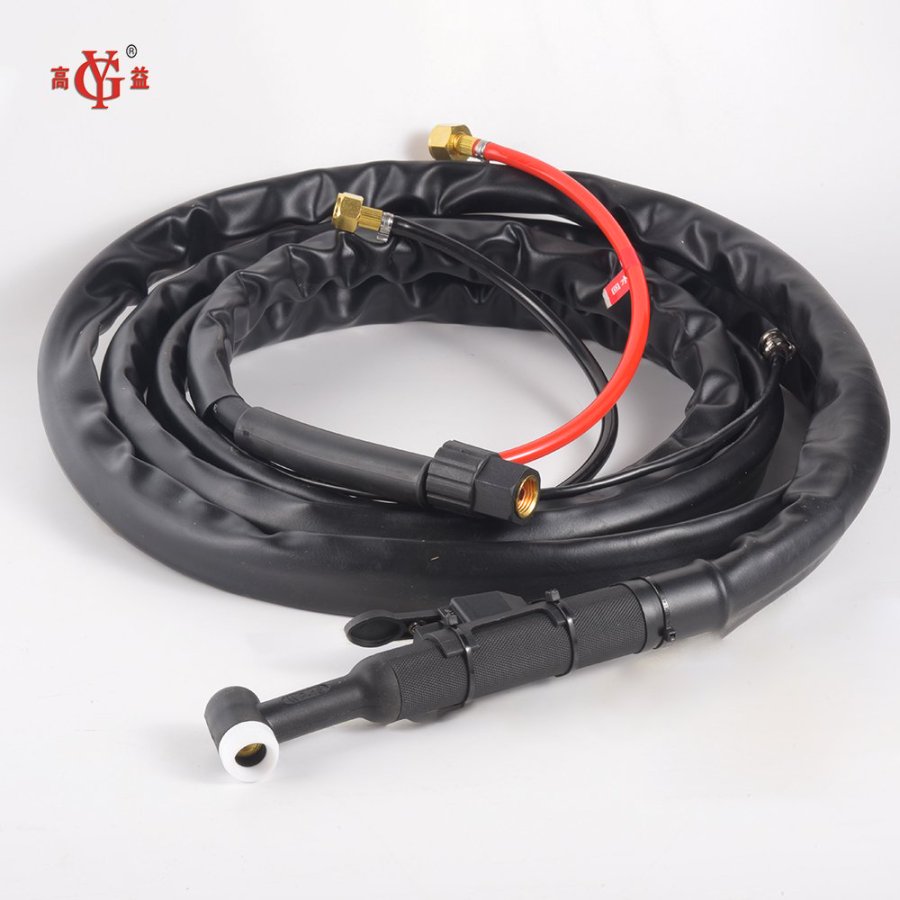

TIG Welding Torch FAQs: Everything You Need to Know for Optimal Performance
Mar 23,2026
TIG Welding Torch FAQs: Everything You Need to Know for Optimal Performance
Table of Contents
Introduction to TIG Welding Torches
What is TIG Welding?
Types of TIG Welding Torches
Key Components of a TIG Welding Torch
How to Choose the Right TIG Welding Torch for Your Needs
Maintenance Tips for TIG Welding Torches
Common Issues and Troubleshooting TIG Welding Torches
Frequently As
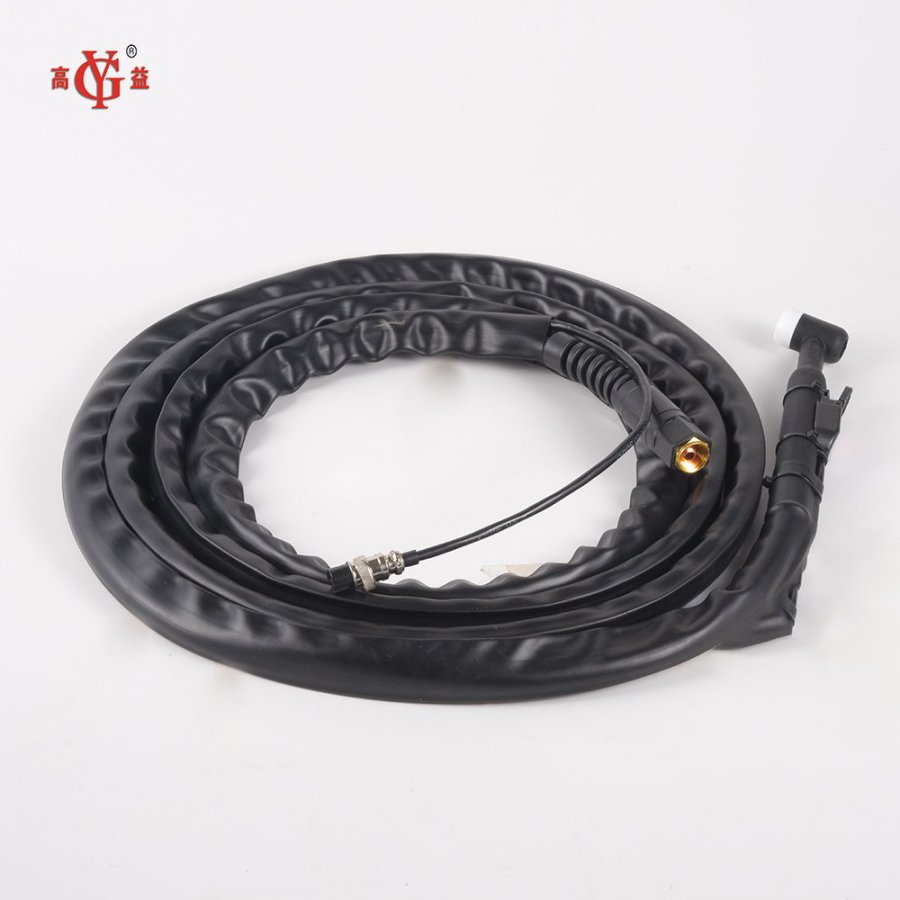
TIG Welding Torch FAQs: Everything You Need to Know for Optimal Performance
Table of Contents
- Introduction to TIG Welding Torches
- What is TIG Welding?
- Types of TIG Welding Torches
- Key Components of a TIG Welding Torch
- How to Choose the Right TIG Welding Torch for Your Needs
- Maintenance Tips for TIG Welding Torches
- Common Issues and Troubleshooting TIG Welding Torches
- Frequently Asked Questions (FAQs) about TIG Welding Torches
- Conclusion
Introduction to TIG Welding Torches
TIG (Tungsten Inert Gas) welding is a popular welding process characterized by the use of a non-consumable tungsten electrode. The welding torch plays a pivotal role in delivering the welding arc needed for this process. Understanding the functionality, components, and maintenance of TIG welding torches is essential for both beginners and seasoned welders. In this article, we will delve into the intricacies of TIG welding torches, addressing common questions and providing valuable insights into their operation.
What is TIG Welding?
TIG welding, also known as Gas Tungsten Arc Welding (GTAW), is a welding process that utilizes a non-consumable electrode to produce high-quality welds. The process is known for its versatility and ability to weld various metals, including stainless steel, aluminum, and magnesium. The inert gas, typically argon or a mix of argon and helium, protects the weld area from contamination, ensuring a clean and strong weld.
The advantages of TIG welding include:
- **Precise control**: Welders can regulate the heat input and filler material, allowing for fine adjustments.
- **Clean and strong welds**: The process produces high-quality, aesthetically pleasing welds with minimal spatter.
- **Versatility**: Suitable for welding thin materials and complex shapes, making it ideal for various applications.
Types of TIG Welding Torches
When selecting a TIG welding torch, it's important to understand the different types available in the market. The two primary classifications are:
1. Air-Cooled TIG Welding Torches
Air-cooled torches are designed for light to medium welding tasks. They rely on the surrounding air to dissipate heat, making them ideal for applications where portability is essential. These torches are usually less expensive and easier to maintain.
2. Water-Cooled TIG Welding Torches
Water-cooled torches are designed for heavy-duty applications that generate more heat. They utilize a water-cooling system to maintain optimal operating temperatures, allowing for longer welding sessions without overheating. While they are more expensive and complex, they offer superior performance for extensive welding projects.
Key Components of a TIG Welding Torch
Understanding the components of a TIG welding torch is essential for optimal performance and maintenance. Here are the key parts:
1. Tungsten Electrode
The tungsten electrode is the heart of the TIG welding torch. It is responsible for creating the arc and must be of the right diameter and type for the application. Common tungsten types include pure tungsten, thoriated, and ceriated, each suited for different welding tasks.
2. Nozzle
The nozzle directs the shielding gas to protect the weld area from contamination. It comes in various sizes to accommodate different electrode diameters and welding applications.
3. Collet and Collet Body
The collet holds the tungsten electrode in place. The collet body secures the collet and connects to the torch head, ensuring a stable arc.
4. Gas Valve
The gas valve controls the flow of inert gas. Some torches feature a gas flow control knob for precise adjustments during welding.
5. Handle
The ergonomic design of the handle allows for comfortable use, reducing fatigue during extended welding sessions.
How to Choose the Right TIG Welding Torch for Your Needs
Selecting the right TIG welding torch involves considering several factors:
1. Application
Identify the specific welding tasks you will perform. For light tasks, an air-cooled torch may suffice, while heavy-duty projects warrant a water-cooled torch.
2. Material Thickness
Consider the thickness of the materials you will weld. Thicker materials require more heat, making a water-cooled torch more appropriate.
3. Portability
If you need to move between job sites frequently, an air-cooled torch's lightweight design may be beneficial.
4. Budget
Evaluate your budget, as water-cooled torches tend to be more expensive due to their additional components and capabilities.
Maintenance Tips for TIG Welding Torches
Proper maintenance of your TIG welding torch enhances its lifespan and performance. Here are essential tips for keeping your torch in top condition:
1. Regular Cleaning
After each use, clean the torch components to remove spatter and contaminants. Use a soft brush or cloth to avoid damaging delicate parts.
2. Inspect the Tungsten Electrode
Check the tungsten electrode for wear and contamination. Regrind or replace it as necessary to ensure a stable arc.
3. Check Gas Flow
Ensure the gas flow is consistent and free from leaks. A malfunctioning gas valve can lead to poor weld quality.
4. Replace Worn Parts
Regularly inspect the collet, nozzle, and other components for wear. Replace any damaged parts promptly to avoid compromising your welding performance.
Common Issues and Troubleshooting TIG Welding Torches
Even experienced welders encounter challenges with TIG welding torches. Here are common issues and their troubleshooting tips:
1. Poor Arc Stability
If the arc fluctuates, check the tungsten electrode for contamination or improper grinding. Ensure proper gas flow and verify that the torch components are securely connected.
2. Overheating
Overheating can occur if the torch is used beyond its capacity. Allow the torch to cool down between tasks and consider switching to a water-cooled torch for heavy-duty applications.
3. Inconsistent Welds
Inconsistencies in weld quality may stem from improper technique or equipment malfunction. Review your welding settings and ensure that the gas flow is adequate.
Frequently Asked Questions (FAQs) about TIG Welding Torches
1. What type of tungsten electrode should I use for aluminum welding?
For aluminum welding, use a ceriated or pure tungsten electrode, as they provide better arc stability and cleaner welds.
2. How do I know when to replace my tungsten electrode?
Replace the tungsten electrode when it shows signs of wear, contamination, or when the tip is no longer pointed.
3. Can I use the same nozzle for different applications?
While some nozzles are versatile, it's best to choose a nozzle size that matches the tungsten diameter and the thickness of the materials being welded.
4. Is it necessary to use a gas lens with my TIG torch?
Using a gas lens can improve gas coverage and arc stability, especially in challenging positions or when welding thin materials.
5. What safety precautions should I take when using a TIG welding torch?
Always wear appropriate personal protective equipment (PPE), including gloves, welding helmets, and protective clothing. Ensure proper ventilation and follow safety protocols to avoid accidents.
Conclusion
Understanding TIG welding torches is crucial for achieving high-quality welds in various applications. By familiarizing yourself with the types of torches, their components, and proper maintenance techniques, you can enhance your welding efficiency and output. Whether you're a novice or a seasoned professional, this comprehensive guide aims to answer your questions and provide you with the knowledge necessary for optimal performance. Remember, the right tools and practices can significantly impact your welding results, so invest time in learning and mastering the art of TIG welding.
TAG:
Related Posts

Understanding Non-Inductive Welding Cables for Stable Arc Performance
When it comes to welding applications, the choice of cables is crucial for achieving optimal performance and efficiency. Non-inductive welding cables are engineered specifically to provide stable arc characteristics, which are vital in ensuring high-quality welds. Unlike traditional inductive cables, non-inductive options minimize the inductive reactance that can lead to fluctuations in arc stabil