
Common Issues with Welding Torch Nozzles and How to Fix Them
Mar 21,2026
Common Issues with Welding Torch Nozzles and How to Fix Them
Table of Contents
1. Introduction to Welding Torch Nozzles
2. The Importance of Proper Torch Nozzle Function
3. Common Issues with Welding Torch Nozzles
3.1 Clogged Nozzles
3.2 Improper Gas Flow
3.3 Excessive Spatter
3.4 Overheating
3.5 Poor Arc Stability
4. How to Fix Common Weldi
Common Issues with Welding Torch Nozzles and How to Fix Them
Table of Contents
- 1. Introduction to Welding Torch Nozzles
- 2. The Importance of Proper Torch Nozzle Function
- 3. Common Issues with Welding Torch Nozzles
- 3.1 Clogged Nozzles
- 3.2 Improper Gas Flow
- 3.3 Excessive Spatter
- 3.4 Overheating
- 3.5 Poor Arc Stability
- 4. How to Fix Common Welding Torch Nozzle Issues
- 4.1 Cleaning Clogged Nozzles
- 4.2 Adjusting Gas Flow
- 4.3 Reducing Spatter
- 4.4 Managing Temperature
- 4.5 Ensuring Arc Stability
- 5. Preventative Maintenance for Welding Torch Nozzles
- 6. Conclusion
- 7. Frequently Asked Questions
1. Introduction to Welding Torch Nozzles
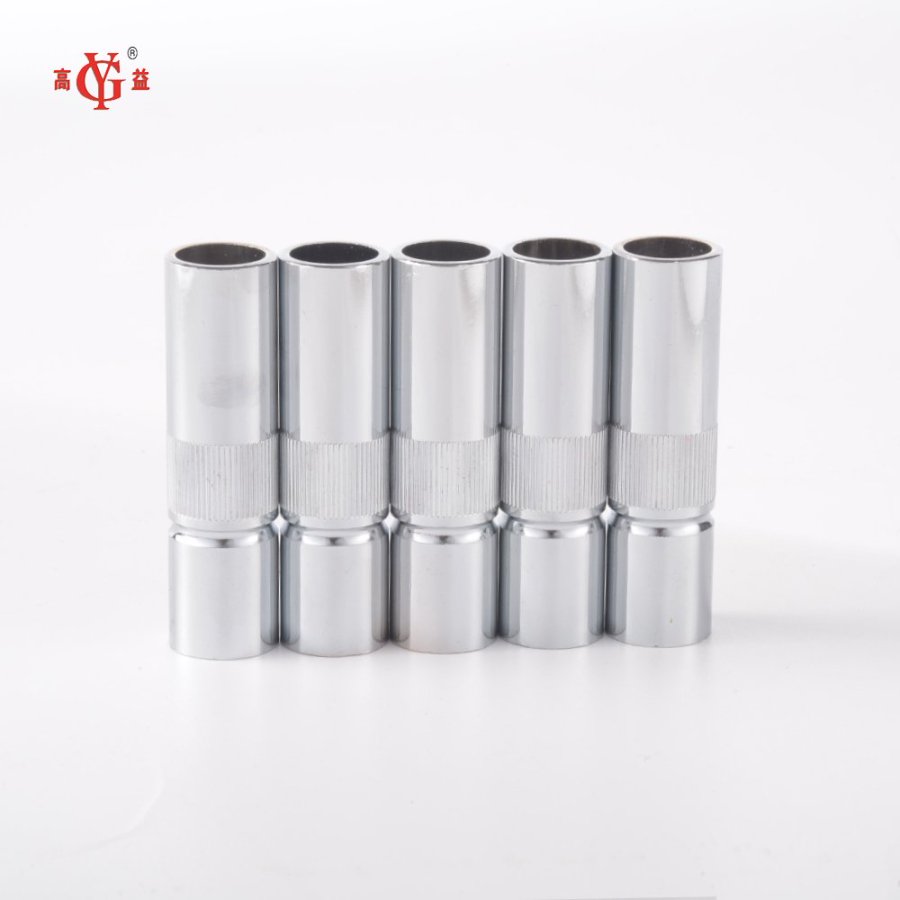
Welding torch nozzles play a crucial role in the welding process, acting as the conduit for shielding gas and directing the arc. They shield the weld pool from atmospheric contamination and help ensure that the welding process is efficient and effective. However, various issues can arise with these components, leading to decreased performance and quality of welding jobs. In this article, we will delve into the most common problems associated with welding torch nozzles, their causes, and how to effectively fix them.
2. The Importance of Proper Torch Nozzle Function
The function of a welding torch nozzle cannot be overstated. A properly functioning nozzle not only enhances the quality of the weld but also prolongs the life of other welding equipment. **Understanding the importance of maintaining your welding nozzle** can help prevent costly repairs and ensure that your welding tasks are completed successfully. When the nozzle operates optimally, it guarantees a stable arc, minimizes spatter, and enhances the efficiency of gas flow.
3. Common Issues with Welding Torch Nozzles
Welding torch nozzles can encounter several issues that hinder performance. Below is a detailed exploration of the **most common problems** experienced by users.
3.1 Clogged Nozzles
One of the most frequent issues with welding torch nozzles is clogging. Debris, spatter, and oxidation can accumulate over time, blocking the gas flow and leading to an unstable arc. Clogged nozzles are often easier to identify, as they may produce irregular arc behavior or sputtering.
3.2 Improper Gas Flow
**Improper gas flow** can result from several factors, including incorrect adjustments to the gas flow rate, leaks in the hose, or issues with the gas supply itself. When gas flow is insufficient or excessive, it can lead to poor arc stability and increased spatter.
3.3 Excessive Spatter
Spatter not only affects the quality of the weld but can also lead to more significant issues if not addressed promptly. Excessive spatter can occur due to incorrect settings, poor technique, or even the condition of the nozzle itself.
3.4 Overheating
Welding nozzles can overheat due to prolonged use or incorrect settings. Overheating can cause the nozzle to warp or degrade, compromising its functionality and leading to further complications during the welding process.
3.5 Poor Arc Stability
An unstable arc can be a frustrating issue for welders. It may be caused by several factors, including improper gas flow, nozzle damage, or incorrect distance between the torch and workpiece. This instability can lead to poor-quality welds and increased risk of defects.
4. How to Fix Common Welding Torch Nozzle Issues
Addressing the issues faced by welding torch nozzles requires a systematic approach. Below are effective methods for solving the common problems identified.
4.1 Cleaning Clogged Nozzles
To clean a clogged nozzle, start by removing it from the torch. Use a nozzle cleaning tool or a small wire brush to clear out any debris or buildup. In case of severe clogging, soaking the nozzle in a solvent designed for cleaning welding equipment can also be effective. Always ensure that the nozzle is thoroughly dried before reattaching it to the torch.
4.2 Adjusting Gas Flow
To fix issues related to gas flow, check the settings on your welding machine. Ensure that the flow rate is appropriate for the type of weld you are performing. Inspect hoses for leaks, replacing any damaged sections, and ensure that all connections are secure. Regularly checking the gas supply can also help maintain optimal flow rates.
4.3 Reducing Spatter
To reduce excessive spatter, use the correct settings for your welding process. Ensure that the torch angle is correct and maintain a consistent distance from the workpiece. Using high-quality filler materials can also help minimize spatter. If spatter persists, consider changing the welding technique or adjusting the voltage.
4.4 Managing Temperature
To prevent overheating, monitor the operating temperature of your welding nozzle. Avoid prolonged use at high settings and allow the nozzle to cool down periodically. If overheating occurs frequently, it may be necessary to adjust the welding parameters or consider using a nozzle with a higher heat tolerance.
4.5 Ensuring Arc Stability
Improving arc stability involves checking several factors, including the gas flow rate, nozzle condition, and proper distance from the workpiece. Regular maintenance, including cleaning and inspection, will help keep your arc steady. Additionally, ensuring that your welding technique is consistent can greatly enhance stability.
5. Preventative Maintenance for Welding Torch Nozzles
Preventative maintenance is key to ensuring the longevity and effectiveness of your welding torch nozzles. Regularly inspect and clean nozzles to prevent clogging. Follow the manufacturer's recommendations for gas flow settings and regularly check hoses and connections for wear and leaks. By maintaining your equipment, you not only improve performance but also reduce the likelihood of encountering issues during welding tasks.
6. Conclusion
Welding torch nozzles are essential components in the welding process, and understanding the common issues that can arise is crucial for maintaining optimal performance. By being aware of problems like clogging, improper gas flow, excessive spatter, overheating, and poor arc stability, welders can take proactive measures to fix these issues. Implementing effective maintenance practices will enhance your welding efficiency and ensure high-quality results.
7. Frequently Asked Questions
What are the signs of a clogged welding torch nozzle?
Signs of a clogged nozzle include irregular arc behavior, sputtering, and a reduction in gas flow.
How often should I clean my welding torch nozzle?
Cleaning should be performed regularly, especially after heavy use, to prevent clogging and maintain performance.
What causes excessive spatter during welding?
Excessive spatter can result from incorrect settings, poor technique, or using low-quality materials.
How can I prevent overheating of the welding torch nozzle?
To prevent overheating, monitor operating temperatures, avoid prolonged high settings, and allow the nozzle to cool periodically.
Is it necessary to replace welding torch nozzles regularly?
While not always necessary, regular inspection and replacement of damaged nozzles can help maintain welding quality and performance.
By following the strategies outlined in this article, welders can tackle common issues with torch nozzles effectively and ensure a smooth welding process.
TAG:
Related Posts
Common Issues with Welding Torch Nozzles and How to Fix Them
Common Issues with Welding Torch Nozzles and How to Fix Them
Table of Contents
1. Introduction to Welding Torch Nozzles
2. The Importance of Proper Torch Nozzle Function
3. Common Issues with Welding Torch Nozzles
3.1 Clogged Nozzles
3.2 Improper Gas Flow
3.3 Excessive Spatter
3.4 Overheating
3.5 Poor Arc Stability
4. How to Fix Common Weldi