
Understanding the Essentials of TIG Welding Torches for Professionals
Mar 14,2026
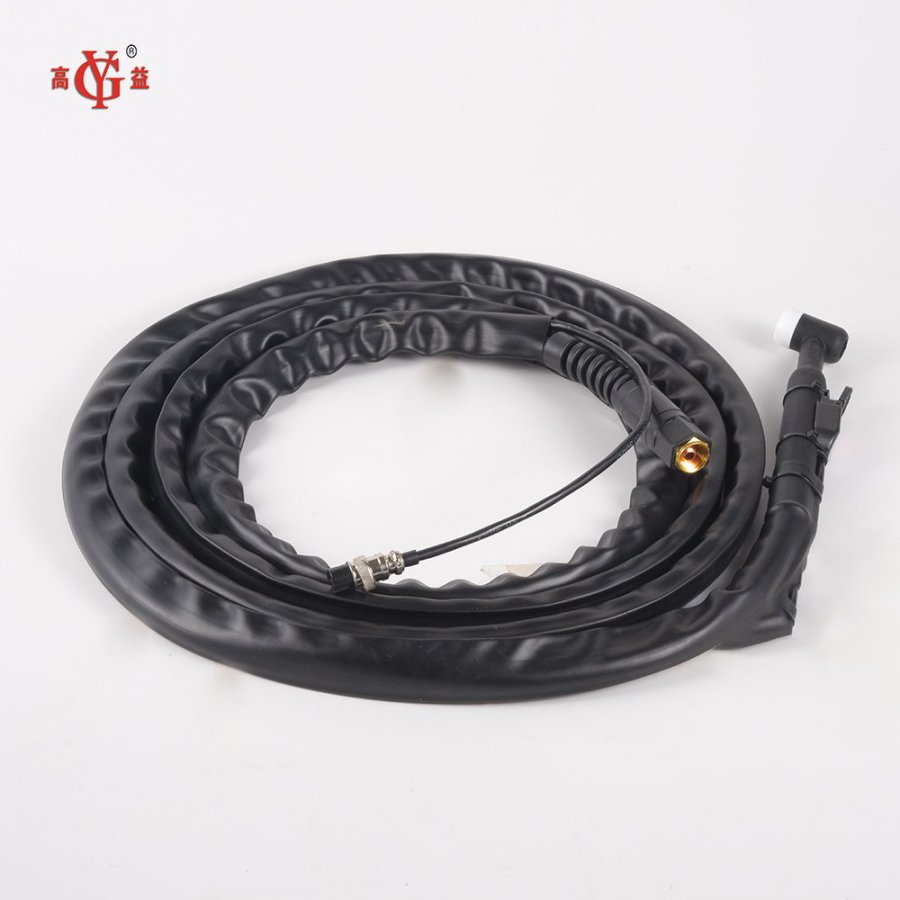
TIG welding torches are essential tools for professionals in the welding and cutting industry, particularly when it comes to achieving high-quality welds on various materials. TIG, or Tungsten Inert Gas welding, utilizes a non-consumable tungsten electrode to produce the weld, making the torch a critical component of the process.
One of the fundamental aspects of a TIG welding torch is its constru
TIG welding torches are essential tools for professionals in the welding and cutting industry, particularly when it comes to achieving high-quality welds on various materials. TIG, or Tungsten Inert Gas welding, utilizes a non-consumable tungsten electrode to produce the weld, making the torch a critical component of the process.
One of the fundamental aspects of a TIG welding torch is its construction. Typically, a TIG torch consists of several key components: the electrode holder, collet, collet body, and gas nozzle. The electrode holder is where the tungsten is placed, and it must be secured tightly to ensure stability during the welding process. The collet and collet body work together to hold the tungsten electrode in place while allowing for easy replacement when necessary. The gas nozzle serves a crucial role in directing the shielding gas, protecting the weld area from contamination and oxidation.
Choosing the right TIG welding torch is essential for optimal performance. Factors such as amperage, size, and cooling method should be considered. For instance, torches come in various sizes, with some designed for high-amperage applications and others for standard tasks. The cooling method can be air-cooled or water-cooled, with water-cooled torches typically being more efficient for heavy-duty applications as they can manage higher temperatures without overheating.
Maintaining your TIG welding torch is vital for ensuring a long service life and consistent weld quality. Regularly inspecting components for wear and tear, cleaning the torch after use, and ensuring that the gas flow is correctly set are all crucial steps. Proper maintenance not only enhances the performance of the torch but also ensures safety during the welding process.
Another important consideration is the type of tungsten electrode used with the TIG welding torch. Different materials and thicknesses require varying tungsten types, such as pure tungsten, thoriated, or ceriated electrodes. Each of these has unique characteristics that affect arc stability and the quality of the weld, making it important to select the appropriate electrode for your specific application.
In conclusion, understanding the intricacies of TIG welding torches is essential for professionals in the welding industry. By familiarizing yourself with the components, maintenance practices, and selecting the right materials, you can enhance your welding capabilities and produce high-quality results. Investing time in learning about your TIG welding torch will ultimately lead to better performance and efficiency in your projects.
One of the fundamental aspects of a TIG welding torch is its construction. Typically, a TIG torch consists of several key components: the electrode holder, collet, collet body, and gas nozzle. The electrode holder is where the tungsten is placed, and it must be secured tightly to ensure stability during the welding process. The collet and collet body work together to hold the tungsten electrode in place while allowing for easy replacement when necessary. The gas nozzle serves a crucial role in directing the shielding gas, protecting the weld area from contamination and oxidation.
Choosing the right TIG welding torch is essential for optimal performance. Factors such as amperage, size, and cooling method should be considered. For instance, torches come in various sizes, with some designed for high-amperage applications and others for standard tasks. The cooling method can be air-cooled or water-cooled, with water-cooled torches typically being more efficient for heavy-duty applications as they can manage higher temperatures without overheating.
Maintaining your TIG welding torch is vital for ensuring a long service life and consistent weld quality. Regularly inspecting components for wear and tear, cleaning the torch after use, and ensuring that the gas flow is correctly set are all crucial steps. Proper maintenance not only enhances the performance of the torch but also ensures safety during the welding process.
Another important consideration is the type of tungsten electrode used with the TIG welding torch. Different materials and thicknesses require varying tungsten types, such as pure tungsten, thoriated, or ceriated electrodes. Each of these has unique characteristics that affect arc stability and the quality of the weld, making it important to select the appropriate electrode for your specific application.
In conclusion, understanding the intricacies of TIG welding torches is essential for professionals in the welding industry. By familiarizing yourself with the components, maintenance practices, and selecting the right materials, you can enhance your welding capabilities and produce high-quality results. Investing time in learning about your TIG welding torch will ultimately lead to better performance and efficiency in your projects.
TAG:
Related Posts
Non-Inductive Welding Cable: The Secret to Reliable Welding Connections
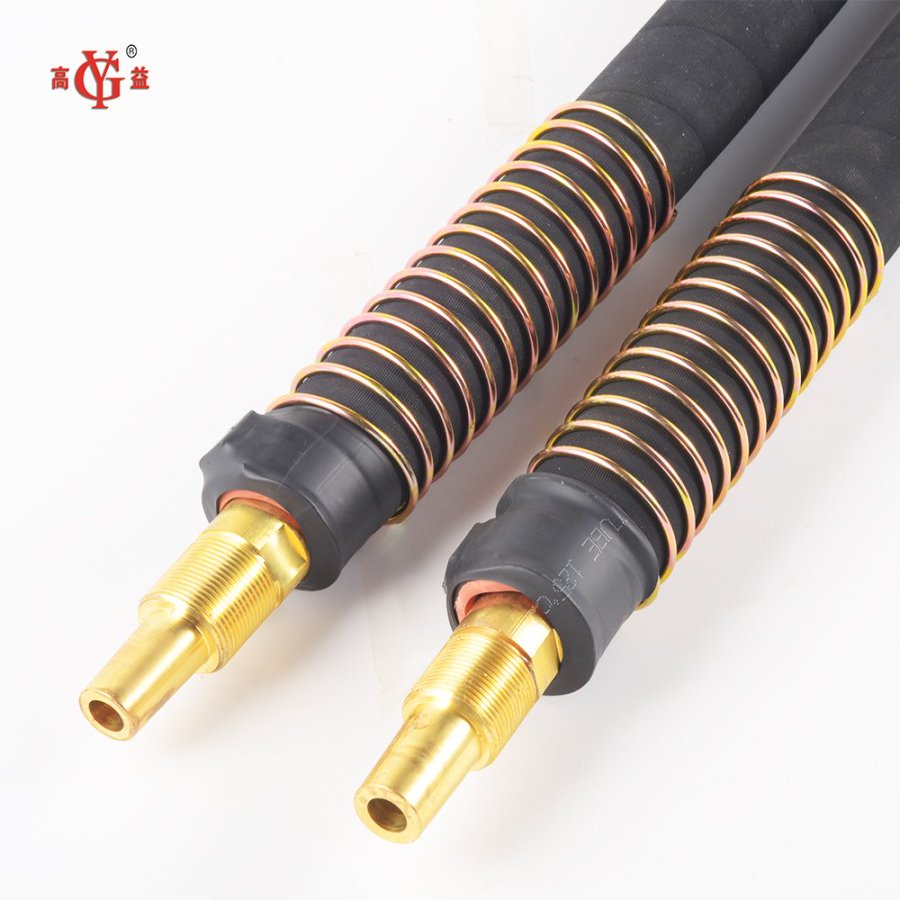
Non-Inductive Welding Cable: The Secret to Reliable Welding Connections
Introduction to Non-Inductive Welding Cables
In the world of welding, the quality of connections plays a crucial role in ensuring structural integrity and performance. Non-inductive welding cables have emerged as a vital component that significantly improves the reliability of welding applications. These specialized cables are