
Achieve Uninterrupted Arcs: The Benefits of Using Non-Inductive Welding Cable
Feb 27,2026
Achieve Uninterrupted Arcs: The Benefits of Using Non-Inductive Welding Cable
Table of Contents
Introduction to Non-Inductive Welding Cables
What is Non-Inductive Welding Cable?
Key Benefits of Non-Inductive Welding Cables
Performance in Various Welding Applications
Safety Standards and Common Issues
Installation and Maintenance Best Practices
Comparison with Inductive
Achieve Uninterrupted Arcs: The Benefits of Using Non-Inductive Welding Cable
Table of Contents
- Introduction to Non-Inductive Welding Cables
- What is Non-Inductive Welding Cable?
- Key Benefits of Non-Inductive Welding Cables
- Performance in Various Welding Applications
- Safety Standards and Common Issues
- Installation and Maintenance Best Practices
- Comparison with Inductive Welding Cables
- Frequently Asked Questions
- Conclusion
Introduction to Non-Inductive Welding Cables
In the realm of welding, the choice of cables can significantly influence the quality of the weld and the efficiency of the operation. **Non-inductive welding cables** have emerged as a preferred choice among professionals seeking **uninterrupted arcs** and reliable performance. These cables are specifically designed to minimize inductive interference, which can lead to inconsistent welds and energy loss.
This article explores the various benefits of using non-inductive welding cables, covering their technical aspects, safety standards, and application in different welding environments. Whether you're a seasoned welder or a newcomer to the industry, understanding the advantages of these cables can enhance your welding projects significantly.
What is Non-Inductive Welding Cable?
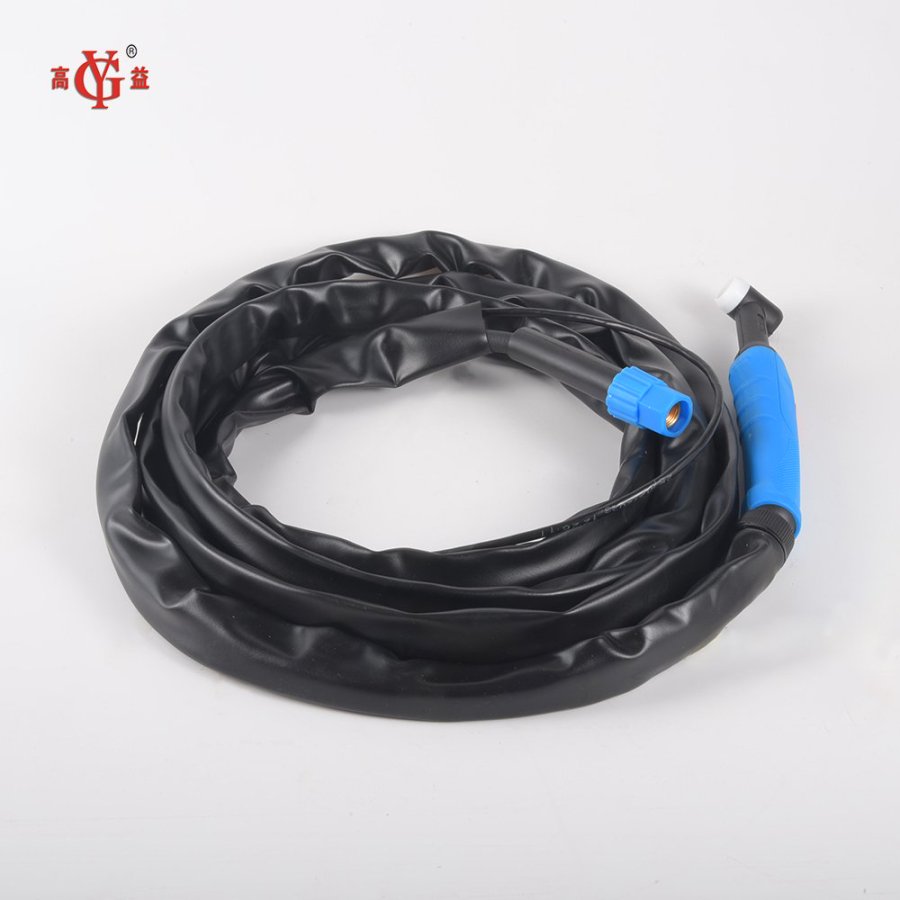
**Non-inductive welding cables** are specialized electrical cables designed to carry electrical current with minimal inductive effects. Unlike traditional inductive cables that may store energy and release it intermittently, non-inductive cables maintain a consistent flow of electricity, ensuring a steady arc.
The key components of non-inductive welding cables include:
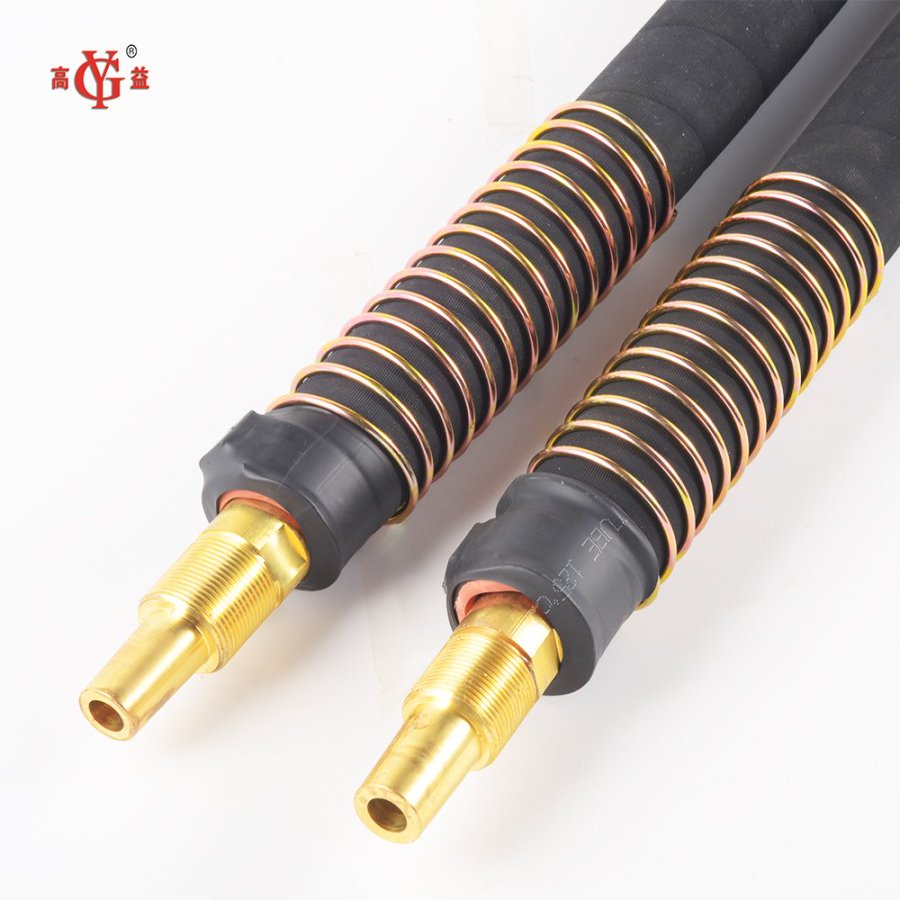
- **Conductors**: Typically made from copper or aluminum for excellent conductivity.
- **Insulation**: High-temperature resistant materials that protect against electrical and thermal hazards.
- **Shielding**: Effective shielding to minimize electromagnetic interference (EMI).
These cables are engineered to provide stable voltage and current, which are critical for achieving high-quality welds.
Key Benefits of Non-Inductive Welding Cables
The use of non-inductive welding cables offers numerous advantages that contribute to superior welding performance:
1. Enhanced Arc Stability
One of the most significant benefits of non-inductive welding cables is their ability to maintain a stable arc during welding. This stability is crucial for producing consistent welds, especially in critical applications where precision is paramount.
2. Reduced Heat Generation
Non-inductive cables generate less heat compared to their inductive counterparts. This reduction in heat generation means that the cables are less likely to deteriorate over time, leading to improved longevity and reduced maintenance costs.
3. Improved Energy Efficiency
By minimizing energy losses due to inductance, non-inductive welding cables enhance the overall energy efficiency of welding operations. This efficiency translates to lower operational costs and an increased return on investment for welding equipment.
4. Increased Safety
Safety is a critical concern in any welding operation. Non-inductive welding cables reduce the risk of electrical hazards by maintaining consistent current flow and minimizing the chances of electrical shock or equipment malfunction.
5. Versatility in Applications
These cables are suitable for various welding techniques, including MIG, TIG, and stick welding, making them a versatile choice for different welding environments and tasks.
Performance in Various Welding Applications
Non-inductive welding cables are optimized for a variety of welding applications. Their performance can be analyzed in the context of several industries:
1. Construction and Fabrication
In construction and metal fabrication, the demand for reliable and high-quality welds is paramount. Non-inductive cables ensure uninterrupted arcs that are crucial for welding structural components.
2. Automotive Industry
The automotive industry requires precision welding for safety-critical components. Non-inductive welding cables provide the reliability and efficiency needed for high-speed production lines.
3. Shipbuilding
In shipbuilding, where weld quality directly impacts safety and durability, the consistent performance of non-inductive cables is essential for producing long-lasting welds.
Safety Standards and Common Issues
Safety in welding operations is governed by various standards and regulations, including those set forth by the American National Standards Institute (ANSI) and the Occupational Safety and Health Administration (OSHA).
1. Compliance with Electrical Safety Standards
Non-inductive welding cables are designed to comply with strict electrical safety standards, ensuring they are safe to use in high-demand environments.
2. Common Issues with Inductive Cables
Inductive cables can suffer from issues such as voltage spikes, overheating, and electromagnetic interference. These issues can lead to reduced weld quality and operational inefficiencies.
Installation and Maintenance Best Practices
To maximize the benefits of non-inductive welding cables, proper installation and maintenance are paramount.
1. Proper Installation Techniques
During installation, ensure that cables are routed correctly, avoiding tight bends that could damage insulation. Use appropriate connectors that are compatible with non-inductive designs to maintain performance.
2. Regular Inspections
Perform regular inspections to check for signs of wear and tear, such as frayed insulation or corrosion on connectors. Addressing these issues promptly can prolong the life of the cables.
3. Clean and Maintain Connections
Keep cable connections clean and free from debris or oxidation. Regular maintenance ensures optimal electrical contact and prevents potential failures.
Comparison with Inductive Welding Cables
Understanding the differences between non-inductive and inductive welding cables can help in making informed decisions.
1. Performance Differences
While inductive cables may be less costly, they often result in inconsistent performance due to energy losses. Non-inductive cables, in contrast, provide stable performance with better energy efficiency.
2. Lifespan and Durability
Non-inductive cables generally have a longer lifespan and durability compared to inductive cables due to their better heat management and resistance to wear.
Frequently Asked Questions
1. What are non-inductive welding cables used for?
Non-inductive welding cables are primarily used in welding applications where stable arcs and minimal energy loss are essential.
2. How do non-inductive cables improve safety?
These cables reduce electrical hazards by maintaining consistent current flow, minimizing the risk of voltage spikes and electrical shock.
3. Can I use non-inductive cables for all types of welding?
Yes, non-inductive cables are versatile and can be used in various welding methods, including MIG, TIG, and stick welding.
4. How should I maintain non-inductive welding cables?
Regular inspections, proper installation techniques, and maintaining clean connections will help prolong the life of non-inductive welding cables.
5. Are non-inductive cables more expensive than inductive cables?
While non-inductive cables may have a higher upfront cost, their longevity and performance benefits often lead to lower overall costs in the long run.
Conclusion
The benefits of using **non-inductive welding cables** are clear: enhanced arc stability, improved safety, energy efficiency, and versatility across various welding applications. These cables are designed to meet high standards of performance, making them a favorable choice for professionals in the welding industry. By investing in non-inductive welding cables, companies can achieve consistent, high-quality welds while ensuring a safer working environment. Understanding their advantages and proper maintenance can lead to significant improvements in welding operations.
TAG:
Previous:
Related Posts
Achieve Uninterrupted Arcs: The Benefits of Using Non-Inductive Welding Cable
Achieve Uninterrupted Arcs: The Benefits of Using Non-Inductive Welding Cable
Table of Contents
Introduction to Non-Inductive Welding Cables
What is Non-Inductive Welding Cable?
Key Benefits of Non-Inductive Welding Cables
Performance in Various Welding Applications
Safety Standards and Common Issues
Installation and Maintenance Best Practices
Comparison with Inductive