
Troubleshooting Common Issues with Plasma Cutting Torches: A Comprehensive Guide
Feb 25,2026
Troubleshooting Common Issues with Plasma Cutting Torches
Table of Contents
Understanding Plasma Cutting Torches
Common Issues with Plasma Cutting Torches
Inconsistent Cut Quality
Excessive Slag or Spatter
High Consumption of Cutting Gas
Poor Arc Starting
Torch Overheating
Maintaining Your Plasma Cutting Torch
Frequently Asked Questions
Conclusion
Understanding Plasma Cutting

Troubleshooting Common Issues with Plasma Cutting Torches
Table of Contents
- Understanding Plasma Cutting Torches
- Common Issues with Plasma Cutting Torches
- Inconsistent Cut Quality
- Excessive Slag or Spatter
- High Consumption of Cutting Gas
- Poor Arc Starting
- Torch Overheating
- Maintaining Your Plasma Cutting Torch
- Frequently Asked Questions
- Conclusion
Understanding Plasma Cutting Torches
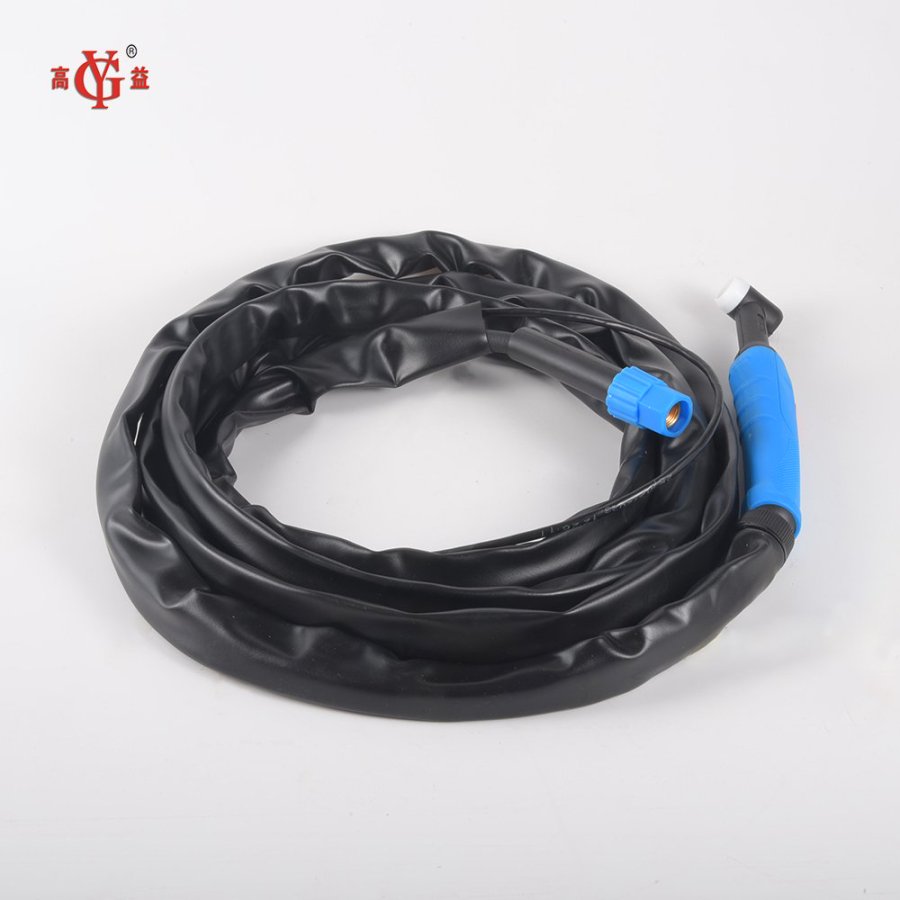
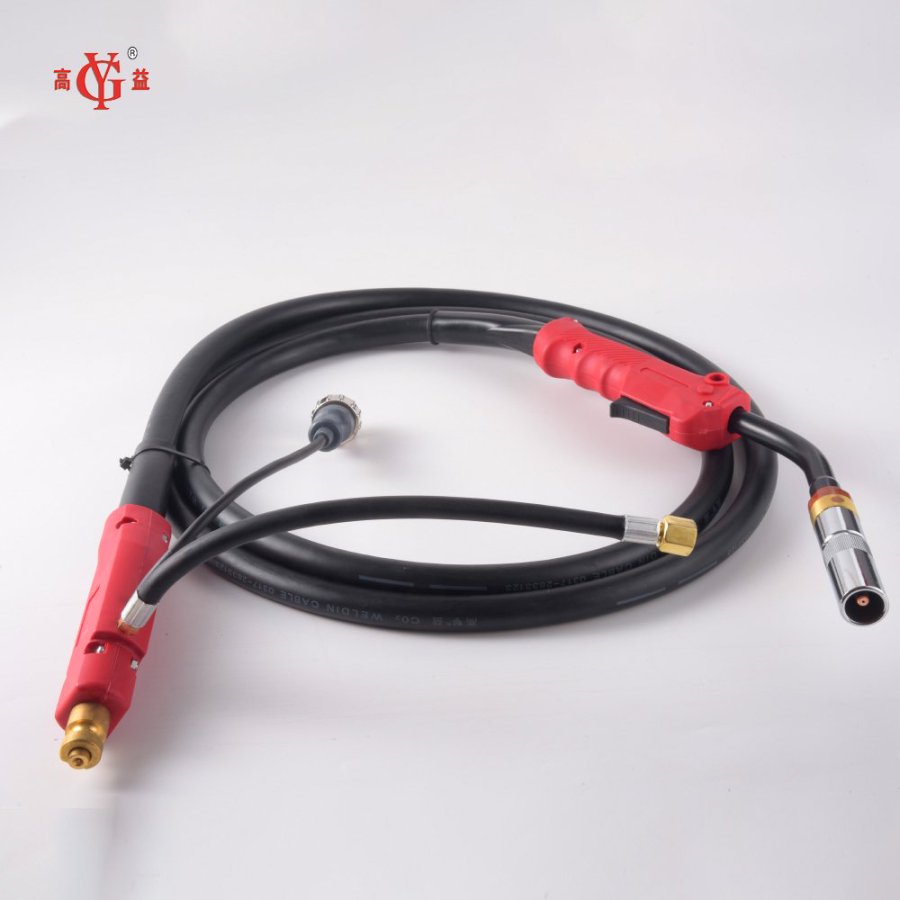
Plasma cutting torches are essential tools in the industrial sector for executing precise and efficient cuts on various metal materials. Utilizing an electrically conductive gas, they create a high-temperature plasma arc that melts metal and blows it away, resulting in clean cuts. Understanding the mechanics of these tools is crucial for troubleshooting common issues that can arise during operation.
Common Issues with Plasma Cutting Torches
While plasma cutting torches are renowned for their efficiency, they are not immune to problems. Operators often encounter several common issues that can hinder performance, compromise cut quality, and lead to increased operational costs. This section delves into the most frequent problems and provides practical solutions.
Inconsistent Cut Quality
Inconsistent cut quality is a prevalent issue faced by users of plasma cutting torches. The resulting cuts may vary in depth and finish, making it challenging to meet project specifications.
**Causes:**
1. **Incorrect Cutting Speed:** If the speed of the torch is too fast or too slow, it can lead to uneven cuts.
2. **Improper Gas Flow Rate:** Insufficient or excessive gas flow can disrupt the arc stability.
3. **Dull or Worn Electrodes:** Worn components can affect the arc and lead to inconsistent cuts.
**Solutions:**
- Adjust your cutting speed according to the material thickness and type.
- Verify that the gas flow rate is set correctly, as per the manufacturer's specifications.
- Regularly inspect and replace electrodes to ensure optimal performance.
Excessive Slag or Spatter
Excessive slag or spatter can significantly increase cleanup time and affect the final finish of the project. This problem often results in additional labor costs and time delays.
**Causes:**
1. **Incorrect Torch Height:** Maintaining an improper distance between the torch and the workpiece can lead to splatter.
2. **Insufficient Cutting Speed:** A cutting speed that is too slow can cause more molten material to accumulate.
3. **Improper Gas Type:** Using the wrong type of gas can promote increased spatter.
**Solutions:**
- Ensure that the torch is held at the manufacturer-recommended height above the material.
- Adjust the cutting speed to minimize the buildup of molten metal.
- Use the appropriate cutting gas, such as oxygen or nitrogen, as specified for the material being cut.
High Consumption of Cutting Gas
High gas consumption can lead to increased operational costs, making it vital for operators to identify the causes and rectify the situation.
**Causes:**
1. **Faulty Regulator:** A malfunctioning pressure regulator can cause excessive gas flow.
2. **Leaking Connections:** Gas leaks at connection points result in wasted material.
3. **Incorrect Nozzle Size:** Using a nozzle that is too large can increase gas consumption.
**Solutions:**
- Regularly check and maintain regulators to ensure accurate gas flow.
- Inspect all connections for gas leaks and replace faulty components immediately.
- Use the correct nozzle size for the specific cutting task to optimize gas use.
Poor Arc Starting
Poor arc starting can lead to frustration and wasted materials, significantly affecting productivity.
**Causes:**
1. **Worn Electrode or Nozzle:** Deterioration of components can hinder arc initiation.
2. **Inadequate Power Supply:** Insufficient voltage can prevent the arc from starting reliably.
3. **Dirty Workpiece Surface:** Contaminants on the surface can impair arc stability.
**Solutions:**
- Replace any worn or damaged electrodes and nozzles promptly.
- Ensure that the power supply is functioning correctly and providing adequate voltage.
- Clean the surface of the workpiece before cutting to ensure a stable arc.
Torch Overheating
Torch overheating can impact both operator safety and the longevity of the cutting equipment.
**Causes:**
1. **Continuous Operation:** Extended use without breaks can lead to overheating.
2. **Insufficient Cooling:** Inadequate cooling of the torch during operation can cause excessive heat buildup.
3. **Improper Duty Cycle:** Using the torch beyond its rated duty cycle can lead to overheating.
**Solutions:**
- Take regular breaks during operation to prevent continuous use and allow cooling.
- Utilize cooling systems or fans to enhance heat dissipation.
- Adhere to the manufacturer's specified duty cycle to ensure safe operation.
Maintaining Your Plasma Cutting Torch
Regular maintenance of plasma cutting torches is essential for preventing issues and ensuring optimal performance. Proper upkeep not only extends the lifespan of the equipment but also enhances cutting efficiency.
Routine Inspection
Conducting routine inspections is critical for identifying potential problems before they escalate. Look for signs of wear and tear on components such as electrodes, nozzles, and hoses.
Cleaning
Regularly clean the torch and its components to remove contaminants that could affect performance. This includes checking gas lines for debris and ensuring that the cutting area is free from metal shavings or dust.
Replacement of Worn Parts
Timely replacement of worn or damaged parts is key to maintaining the torch's efficiency. Adhere to the manufacturer's recommendations regarding replacement intervals to keep your equipment in top condition.
Frequently Asked Questions
1. What is the ideal cutting speed for plasma cutting?
The ideal cutting speed varies based on the material thickness and type. Refer to your plasma cutter's manual for specific guidelines.
2. How often should I replace the electrodes in my plasma cutting torch?
Electrodes should be replaced regularly based on usage. If you notice inconsistent cuts or difficulty starting the arc, it may be time for a replacement.
3. Why is my plasma cutting torch producing excessive spatter?
Excessive spatter can result from incorrect torch height, low cutting speeds, or using the wrong gas type. Adjusting these factors can help reduce spatter.
4. How can I prevent my plasma cutting torch from overheating?
Take regular breaks during prolonged use, ensure proper cooling, and adhere to the rated duty cycle of the torch.
5. What should I do if my plasma cutting torch won’t start?
If the torch won’t start, check for worn electrodes, ensure the power supply is sufficient, and clean the workpiece surface for optimal performance.
Conclusion
Troubleshooting common issues with plasma cutting torches is essential for maintaining efficiency and quality in industrial applications. By understanding the roots of problems such as inconsistent cut quality, excessive spatter, high gas consumption, poor arc starting, and torch overheating, operators can take corrective measures to enhance performance. Through regular maintenance and prompt attention to issues, you can ensure that your plasma cutting equipment operates at its best, ultimately leading to improved project outcomes and reduced costs. Remember to keep informed and proactive about your equipment’s needs to keep your cutting processes seamless and effective.
TAG:
Previous:
Related Posts
Troubleshooting Common Issues with Plasma Cutting Torches: A Comprehensive Guide
Troubleshooting Common Issues with Plasma Cutting Torches
Table of Contents
Understanding Plasma Cutting Torches
Common Issues with Plasma Cutting Torches
Inconsistent Cut Quality
Excessive Slag or Spatter
High Consumption of Cutting Gas
Poor Arc Starting
Torch Overheating
Maintaining Your Plasma Cutting Torch
Frequently Asked Questions
Conclusion
Understanding Plasma Cutting