
Understanding Welding Wire Feeders for MIG Welding Systems: Key Insights
Nov 29,2026
When it comes to MIG (Metal Inert Gas) welding systems, the welding wire feeder plays a crucial role in the overall functionality and efficiency of the process. This component is responsible for delivering the welding wire to the welding arc, ensuring a continuous and consistent feed that is vital for producing high-quality welds. Understanding the various aspects of welding wire feeders can great
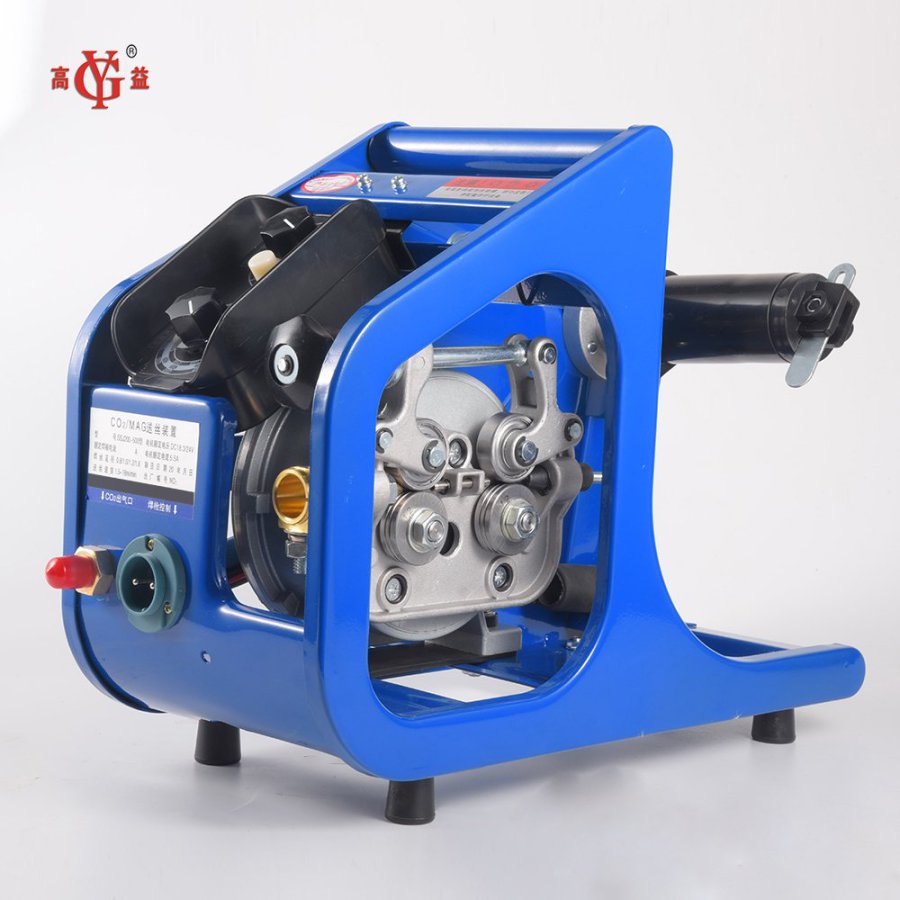
When it comes to MIG (Metal Inert Gas) welding systems, the welding wire feeder plays a crucial role in the overall functionality and efficiency of the process. This component is responsible for delivering the welding wire to the welding arc, ensuring a continuous and consistent feed that is vital for producing high-quality welds. Understanding the various aspects of welding wire feeders can greatly benefit both professionals and hobbyists in the welding industry.
There are primarily two types of welding wire feeders: the push feeder and the pull feeder. Push feeders are typically used in small MIG welding systems, where the feeder is located close to the welding gun. In this configuration, the welding wire is pushed through the hose directly to the gun, making it a compact and lightweight option for portable applications. However, push feeders can sometimes struggle with larger diameter wires or longer cable lengths, leading to potential feeding issues.
On the other hand, pull feeders are more suitable for larger MIG welding setups and provide a more reliable wire feed. In this design, the feeder is positioned at a distance from the welding gun, and the wire is pulled through the hose. This setup helps reduce the chance of wire jams and allows for the use of a wider variety of wire sizes, making it a popular choice for industrial applications.
The choice of welding wire feeder can significantly influence the performance of your MIG welding system. A well-designed feeder should provide consistent tension and speed control, preventing the wire from slipping or feeding too quickly. Additionally, features such as adjustable drive rolls and tension settings can enhance the feeding process, allowing welders to customize their setups based on the materials and thicknesses they are working with.
Another important factor to consider is the compatibility of the welding wire feeder with different types of welding wire. Most MIG welding systems are designed to work with solid wires, but some feeders can also accommodate flux-cored wires. Understanding the specifications and capabilities of your wire feeder can ensure that you select the right wire for your welding applications, leading to better performance and results.
In summary, the welding wire feeder is a vital component of MIG welding systems that directly affects the quality of welds. By understanding the different types of feeders available and their respective advantages, welders can make informed decisions that enhance their welding processes. Whether you opt for a push or pull feeder, ensuring proper wire feed and compatibility will ultimately lead to more efficient and effective welding outcomes.
TAG:
Related Posts
Understanding Welding Wire Feeders for MIG Welding Systems: Key Insights
When it comes to MIG (Metal Inert Gas) welding systems, the welding wire feeder plays a crucial role in the overall functionality and efficiency of the process. This component is responsible for delivering the welding wire to the welding arc, ensuring a continuous and consistent feed that is vital for producing high-quality welds. Understanding the various aspects of welding wire feeders can great