
Enhancing Precision Welding with Advanced TIG Welding Torch Features: A Comprehensive Guide
Sep 30,2026
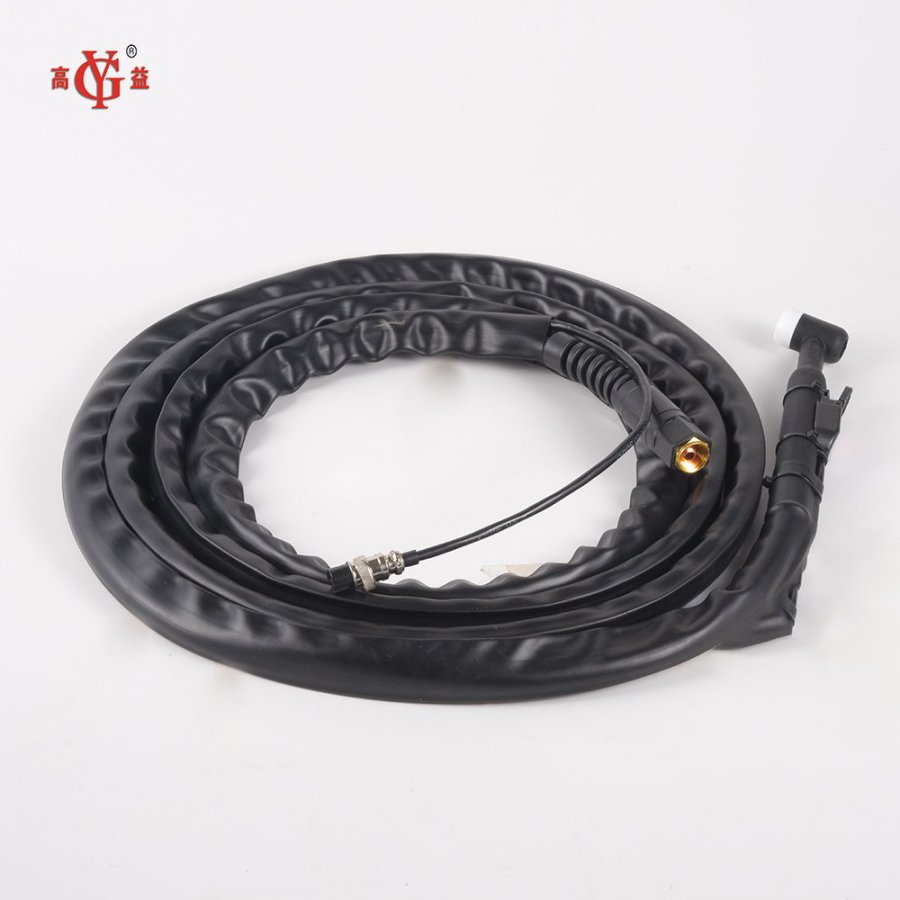
Enhancing Precision Welding with Advanced TIG Welding Torch Features
In the world of welding, precision is paramount. The ability to execute flawless welds can determine the success of a project, especially in industries where quality is non-negotiable. In this article, we will delve into the advanced features of TIG welding torches that significantly enhance precision welding. From understanding the technology behind these torches to practical tips for optimizing their use, this guide aims to provide welders with comprehensive insights to elevate their craft.
Table of Contents
- Understanding TIG Welding: A Foundation for Precision
- The Importance of Welding Torches in Precision Work
- Advanced Features of TIG Welding Torches
- Ergonomic Designs for Improved Control
- Innovative Cooling Systems for Better Performance
- Multiple Electrode Options for Versatile Applications
- Choosing the Right TIG Welding Torch for Your Needs
- Maintaining Your TIG Torch for Long-lasting Precision
- Preparing for a Welding Session: Best Practices
- Common Welding Challenges and Solutions
- Frequently Asked Questions
Understanding TIG Welding: A Foundation for Precision
Tungsten Inert Gas (TIG) welding is a process that utilizes a non-consumable tungsten electrode to produce the weld. This method is renowned for its ability to create high-quality, precise welds in various materials, including stainless steel, aluminum, and magnesium. Understanding the mechanics of TIG welding is essential for anyone looking to enhance their precision welding skills.
The TIG welding process involves several critical components, including the welding torch, a power source, shielding gas, and the workpiece. The torch's role is to deliver the electrode to the workpiece while providing an inert atmosphere around the arc to prevent oxidation. This unique process allows for exceptional control over heat input, welding speed, and overall weld pool management, making it an ideal choice for intricate welding projects.
The Importance of Welding Torches in Precision Work
Welding torches play a crucial role in determining the quality and precision of the weld. A well-designed torch allows the welder to maneuver easily, control the heat, and apply the filler material effectively. In precision welding, even the slightest deviation can lead to imperfections, which emphasizes the need for advanced torch features that enhance usability and control.
Advanced Features of TIG Welding Torches
Ergonomic Designs for Improved Control
Many modern TIG welding torches are designed with ergonomics in mind. These designs reduce hand fatigue and improve the overall operational comfort for the welder. Features such as contoured grips, lightweight materials, and adjustable heads allow for better reach and maneuverability in tight spaces.
Moreover, ergonomic designs can significantly enhance control, enabling welders to achieve more accurate welds. By minimizing discomfort, the welder can maintain focus on the task at hand, resulting in cleaner and more precise welds.
Innovative Cooling Systems for Better Performance
Heat management is a critical factor in the performance of TIG welding torches. Overheating can damage components and lead to weld defects. Advanced cooling systems, such as water-cooled torches, allow for prolonged welding sessions without the risk of overheating. This capability is particularly advantageous in high-duty cycles or when welding thicker materials, ensuring consistent performance without compromising quality.
In addition to water cooling, some torches incorporate advanced air cooling technologies that provide efficient heat dissipation, further extending the torch's operational lifespan and reliability.
Multiple Electrode Options for Versatile Applications
Another notable advancement in TIG welding torches is the availability of multiple electrode options. Depending on the application and material being welded, different tungsten electrodes can be used to achieve optimal results. For instance, pure tungsten electrodes are excellent for DC welding, while thoriated or ceriated electrodes work well for AC welding on aluminum.
The ability to switch between electrodes ensures that welders can tailor their approach to specific materials and welding conditions, enhancing precision and adaptability in diverse projects.
Choosing the Right TIG Welding Torch for Your Needs
Selecting the appropriate TIG welding torch is essential for achieving the desired precision in your welding projects. Factors to consider include the type of material you will be welding, the thickness of the materials, and the specific requirements of your welding tasks.
Welders should also evaluate the torch's amperage rating, size, and features. For instance, a smaller torch may be preferable for tight spaces, while a larger torch might be better suited for heavier-duty applications. Understanding your specific needs ensures that you make an informed decision that aligns with your welding objectives.
Maintaining Your TIG Torch for Long-lasting Precision
Regular maintenance of your TIG welding torch is crucial in ensuring its longevity and performance. Here are some essential tips for maintaining your torch:
- Clean the Torch: Regularly remove any spatter or residue from the torch nozzle and body to ensure optimal performance.
- Inspect Components: Check the electrode and collet for wear and replace them as necessary to maintain precision.
- Check for Leaks: Inspect the gas lines and connections for leaks to avoid contamination during the welding process.
- Store Properly: When not in use, store the torch in a protective case to prevent damage and ensure its reliability for future projects.
Preparing for a Welding Session: Best Practices
Preparation is key to achieving precision in welding. Before starting a welding session, consider the following best practices:
- Set Up Proper Lighting: Ensure adequate lighting in your workspace to see the weld pool clearly.
- Check Equipment: Inspect your welding machine, cables, and settings to ensure they are calibrated for your specific task.
- Clean the Workpiece: Remove any contaminants from the workpiece surface to ensure a strong bond in the weld.
- Practice Techniques: Take some time to practice your welding techniques on scrap material before starting on the final piece.
Common Welding Challenges and Solutions
Even with advanced tools, welders may face challenges that affect precision. Here are some common issues and their solutions:
- Porosity: This occurs when gases become trapped in the weld. To prevent this, ensure proper gas flow and clean the base material thoroughly.
- Inconsistent Weld Bead: This can result from inconsistent travel speed or improper torch angle. Maintain a steady speed and angle for uniformity.
- Overheating: Overheating can cause warping or burn-through. Use a water-cooled torch or adjust your settings to manage heat better.
Frequently Asked Questions
1. What is the difference between TIG welding and MIG welding?
TIG welding uses a non-consumable tungsten electrode and requires a separate filler material, whereas MIG welding uses a continuous wire feed that serves as both the electrode and filler material.
2. How do I know which tungsten electrode to use?
The choice of tungsten electrode depends on the material being welded and the type of welding (DC or AC). For aluminum, ceriated electrodes are often recommended.
3. Can I use my TIG torch for different metals?
Yes, a TIG torch can be used for various metals, but you may need to change the tungsten electrode and settings to match the specific metal type.
4. What is the best way to maintain a TIG welding torch?
Regular cleaning, inspecting components for wear, checking for gas leaks, and storing the torch properly are the best ways to maintain it.
5. How do I improve my TIG welding skills?
Practice regularly, seek feedback from experienced welders, and stay informed about new techniques and technologies to enhance your skills.
Conclusion
Enhancing precision welding with advanced TIG welding torch features is not just about the tools; it’s about understanding their capabilities and integrating them into your welding practices. By focusing on ergonomics, cooling systems, and electrode versatility, welders can achieve exceptional results. Proper maintenance and preparation further ensure that these tools perform optimally, leading to high-quality welds that meet the rigorous standards of today’s industries. As you continue to explore and implement these advanced features, you will undoubtedly enhance your precision welding capabilities, leading to success in your welding projects.
TAG:
Previous
Related Posts
Enhancing Precision Welding with Advanced TIG Welding Torch Features: A Comprehensive Guide