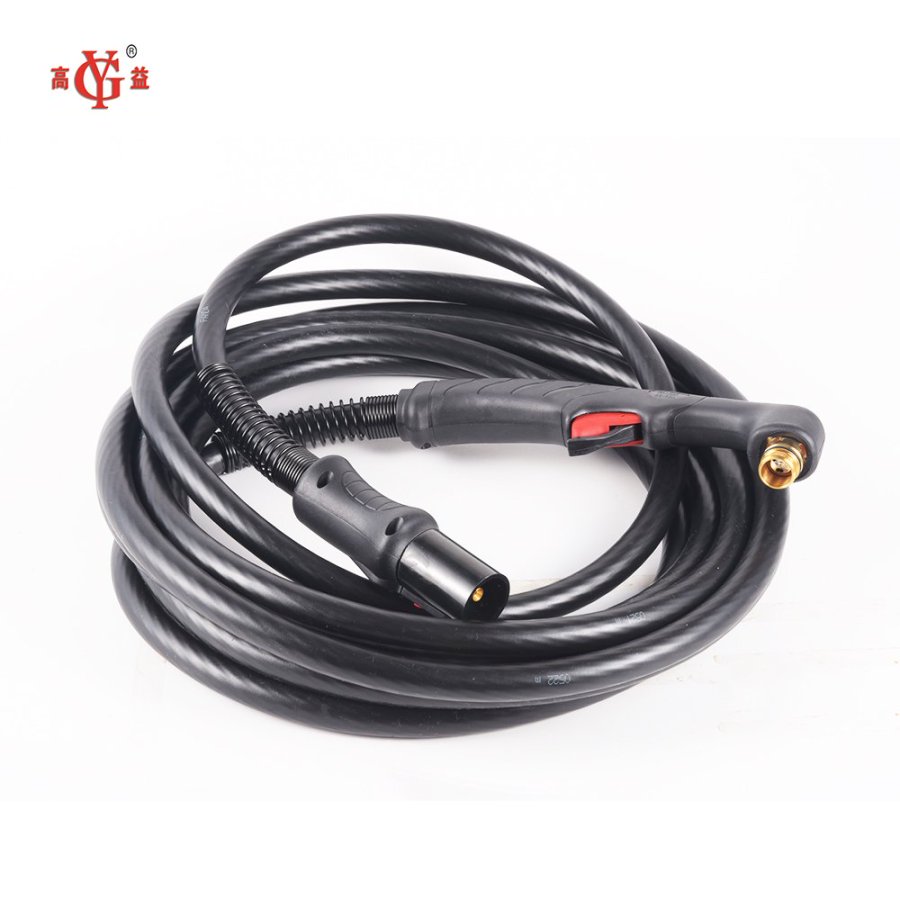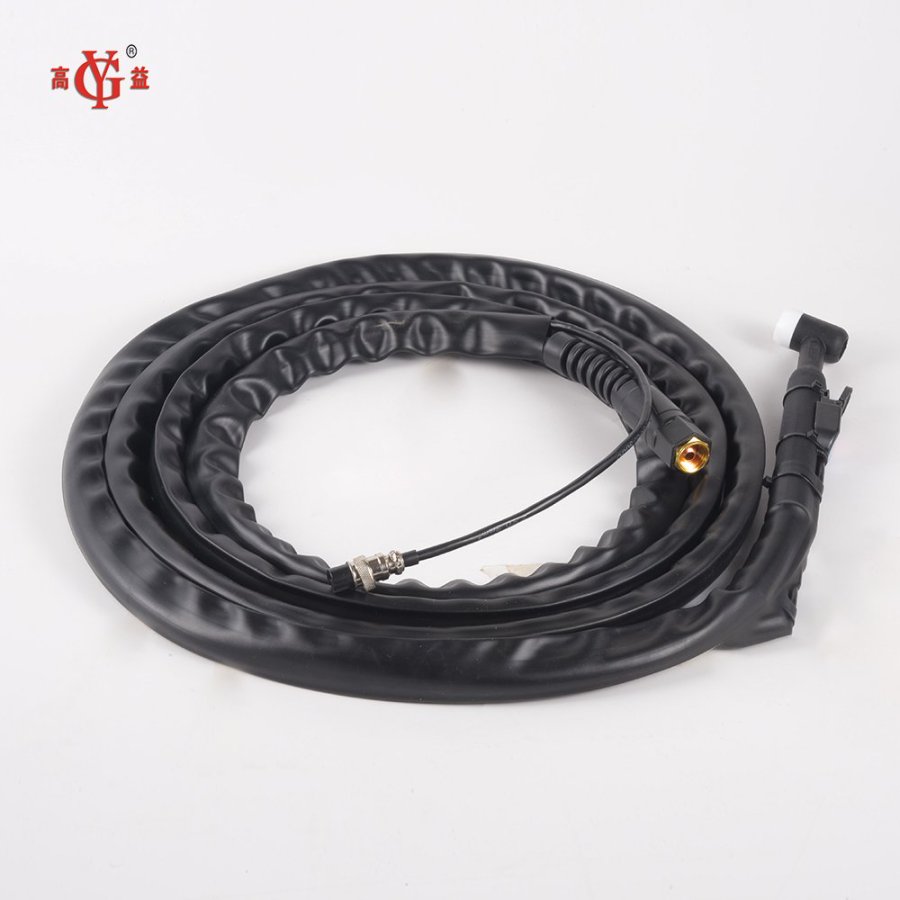

How to Select Non-Inductive Welding Cable for Your Welding Projects
Sep 24,2026
How to Select Non-Inductive Welding Cable for Your Welding Projects
Table of Contents
1. Understanding Non-Inductive Welding Cable
2. Importance of Non-Inductive Welding Cable in Projects
3. Key Features of Non-Inductive Welding Cable
4. How to Choose the Right Non-Inductive Welding Cable
4.1 Consider the Wire Gauge
4.2 Assess the Voltage Rating
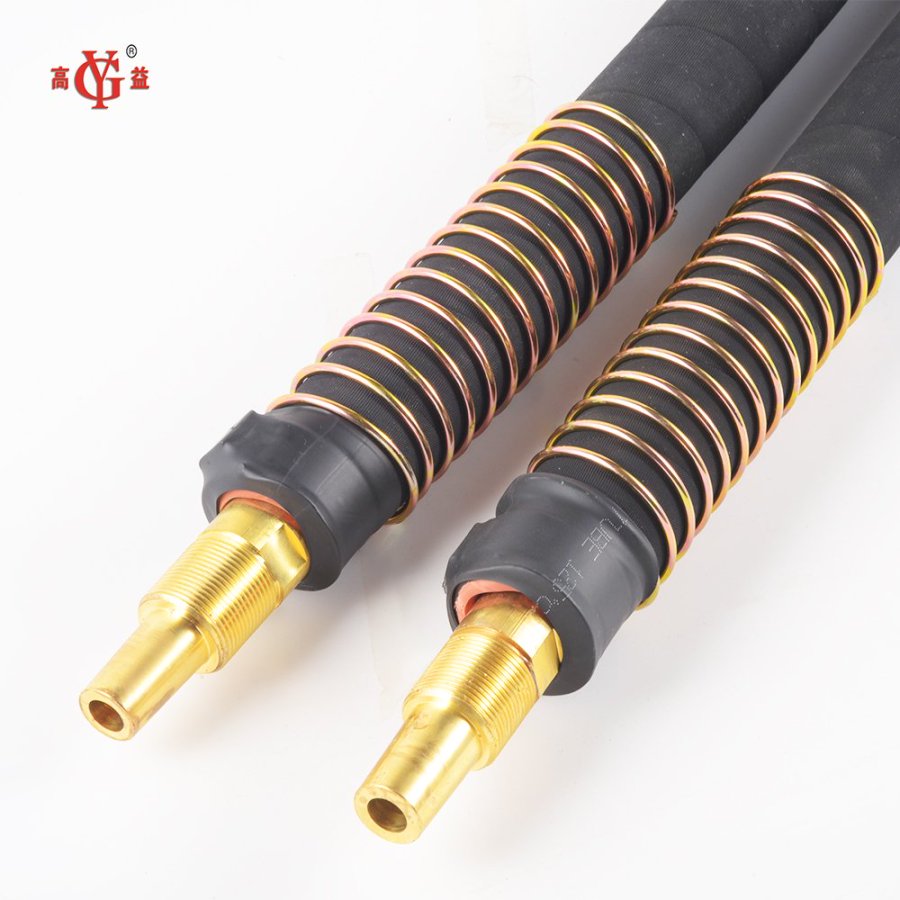
How to Select Non-Inductive Welding Cable for Your Welding Projects
Table of Contents
- 1. Understanding Non-Inductive Welding Cable
- 2. Importance of Non-Inductive Welding Cable in Projects
- 3. Key Features of Non-Inductive Welding Cable
- 4. How to Choose the Right Non-Inductive Welding Cable
- 4.1 Consider the Wire Gauge
- 4.2 Assess the Voltage Rating
- 4.3 Evaluate the Durability and Flexibility
- 4.4 Check the Insulation Material
- 5. Applications of Non-Inductive Welding Cable
- 6. Comparison with Other Types of Welding Cables
- 7. Safety Considerations When Using Welding Cables
- 8. Frequently Asked Questions
- 9. Conclusion
1. Understanding Non-Inductive Welding Cable
Non-inductive welding cables are specifically designed for applications where high-frequency currents are involved. Unlike traditional welding cables, which may introduce inductive reactance, non-inductive cables minimize this issue, thus enhancing the performance and reliability of welding operations. These cables are constructed to provide a consistent, stable electrical flow, which is crucial for achieving high-quality welds.
2. Importance of Non-Inductive Welding Cable in Projects
When it comes to welding projects, the choice of cable can significantly impact the quality of the work. Non-inductive welding cables are crucial for:
- **Reducing Electromagnetic Interference (EMI)**: Since they minimize inductive reactance, these cables help reduce EMI, ensuring cleaner operation.
- **Enhancing Weld Quality**: With a steady current flow, the welding process becomes more predictable, resulting in higher-quality welds.
- **Increasing Equipment Longevity**: Using the appropriate cable helps prevent damage to welding equipment, extending its lifespan.
3. Key Features of Non-Inductive Welding Cable
To make an informed decision, it’s essential to understand the critical features that distinguish non-inductive welding cables:
- **Wire Composition**: Typically made from copper, these cables provide excellent conductivity, which is essential for welding applications.
- **Flexible Design**: Non-inductive cables are usually designed to be extremely flexible, making them easier to handle and maneuver during welding.
- **Robust Insulation**: High-quality insulation materials protect against abrasion, chemicals, and heat, ensuring safety and durability.
- **Color Coding**: Many non-inductive cables come with color-coded insulation, aiding in the identification of positive and negative connections.
4. How to Choose the Right Non-Inductive Welding Cable
Selecting the right non-inductive welding cable involves several considerations that align with your specific project needs.
4.1 Consider the Wire Gauge
The wire gauge is essential to ensuring that the cable can handle the required current. Lower gauge numbers indicate thicker wires, which can carry more current. For most welding applications, a wire gauge of 2 AWG to 6 AWG is recommended, depending on the power of the welding machine and the length of the cable.
4.2 Assess the Voltage Rating
Each non-inductive welding cable comes with a voltage rating that indicates its maximum capacity. Ensure that the voltage rating of the cable matches or exceeds the requirements of your welding equipment. This ensures safe operation and prevents potential hazards.
4.3 Evaluate the Durability and Flexibility
Since welding projects often involve a challenging work environment, select a cable that is both durable and flexible. Look for cables with high tensile strength that can withstand abrasion and wear. This durability ensures that the cable can handle the rigors of various welding applications without compromising performance.
4.4 Check the Insulation Material
The insulation material plays a critical role in protecting the cable from environmental factors. Materials such as PVC and rubber provide excellent insulation, resisting chemicals, heat, and moisture. Ensure that the cable you select has high-quality insulation to ensure safety and longevity.
5. Applications of Non-Inductive Welding Cable
Non-inductive welding cables are versatile and suitable for various welding applications, including:
- **MIG and TIG Welding**: These cables provide stable current flow, making them ideal for MIG and TIG welding processes.
- **Stick Welding**: Non-inductive cables enhance performance in stick welding, where consistent arc stability is crucial.
- **Industrial Welding**: Suitable for heavy-duty industrial applications, these cables can handle the demands of high-power welding equipment.
6. Comparison with Other Types of Welding Cables
When selecting welding cables, it's essential to understand how non-inductive cables compare to other types:
- **Inductive Welding Cables**: These may introduce unwanted inductive reactance, which can lead to fluctuating currents and poor weld quality. Non-inductive cables eliminate this issue.
- **General Purpose Cables**: While these might be suitable for some applications, they lack the specialized design needed for high-frequency welding tasks.
7. Safety Considerations When Using Welding Cables
Safety should always be a top priority when working with welding cables. Here are some important considerations:
- **Regular Inspections**: Inspect cables frequently for wear and damage. Replace any cables showing signs of wear, such as fraying or cracking.
- **Proper Handling**: Avoid yanking or pulling on cables, which can damage connections. Use proper cable management techniques to prevent tangling and wear.
- **Disconnect When Not in Use**: Always disconnect cables when the equipment is not in use to prevent accidental activation.
8. Frequently Asked Questions
1. What is the primary advantage of using non-inductive welding cable?
The primary advantage is that it minimizes inductive reactance, ensuring a stable current flow, which enhances weld quality.
2. Can I use non-inductive welding cable for all types of welding?
While non-inductive cables are versatile, it's essential to consider the specific requirements of each welding process to ensure optimal performance.
3. How do I determine the appropriate wire gauge for my project?
The wire gauge depends on the amperage of your welding machine and the length of the cable run. Thicker wires (lower gauge numbers) can handle higher currents.
4. What materials are best for welding cable insulation?
High-quality PVC and rubber are preferred materials due to their resistance to heat, chemicals, and abrasion.
5. How often should I replace welding cables?
Replace welding cables when they show signs of wear, such as fraying, cracks, or damage. Regular inspections are crucial for safety.
9. Conclusion
Selecting the right non-inductive welding cable is essential for achieving high-quality results in your welding projects. By understanding the key features, applications, and considerations involved in the selection process, you can ensure that you choose the best cable for your needs. Prioritize safety, quality, and compatibility with your equipment to maximize the efficiency and effectiveness of your welding operations. With the right knowledge, you can confidently navigate the world of non-inductive welding cables and elevate the quality of your projects.
TAG:
Related Posts
How a Handheld Tip Dresser Can Significantly Enhance Your Welding Quality
How a Handheld Tip Dresser Can Significantly Enhance Your Welding Quality
In the world of welding, achieving optimal results is critical for both industrial applications and DIY projects. One of the most effective tools in a welder's arsenal is the handheld tip dresser. This often-overlooked device plays a crucial role in maintaining and improving the quality of welding operations. In this article