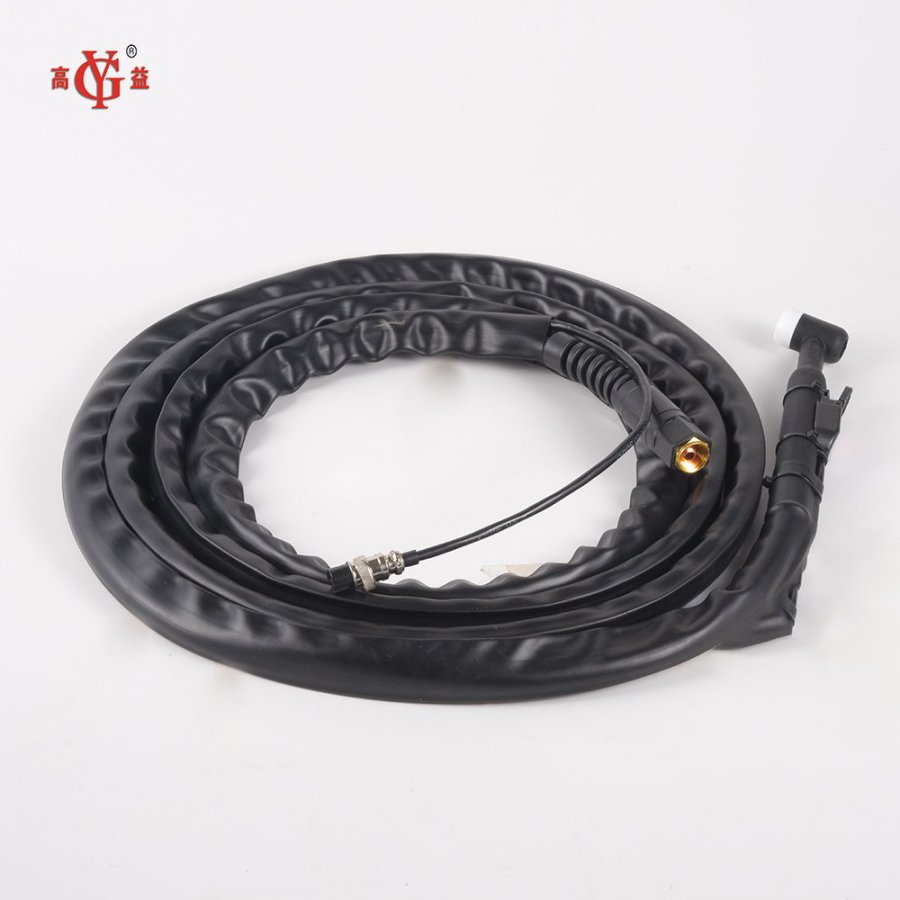

Unveiling the Advantages of Non-Inductive Cable in Welding Technology
Aug 19,2026
Unveiling the Advantages of Non-Inductive Cable in Welding Technology
Table of Contents
Introduction to Non-Inductive Cables
What is a Non-Inductive Cable?
Key Advantages of Non-Inductive Cables
Reduction of Electromagnetic Interference
Improved Performance in Welding Applications
Enhanced Safety Features
Applications of N

Unveiling the Advantages of Non-Inductive Cable in Welding Technology
Table of Contents
- Introduction to Non-Inductive Cables
- What is a Non-Inductive Cable?
- Key Advantages of Non-Inductive Cables
- Reduction of Electromagnetic Interference
- Improved Performance in Welding Applications
- Enhanced Safety Features
- Applications of Non-Inductive Cables in Welding
- Choosing the Right Non-Inductive Cable for Your Needs
- Maintenance Tips for Non-Inductive Cables
- The Future of Welding Technology with Non-Inductive Cables
- Frequently Asked Questions
- Conclusion
Introduction to Non-Inductive Cables
In the ever-evolving landscape of welding technology, the materials and tools employed can significantly impact the efficiency and safety of operations. Among these materials, **non-inductive cables** stand out for their unique properties that enhance performance across various welding applications. As industries increasingly demand precision and reliability, understanding the advantages of non-inductive cables becomes essential for both manufacturers and end-users.
What is a Non-Inductive Cable?
**Non-inductive cables** are specialized electrical cables designed to minimize inductance, which can create unwanted electromagnetic fields during operation. These cables are engineered to carry electrical current with minimal resistance and interference, making them ideal for high-performance welding applications. Constructed from high-quality materials, non-inductive cables often feature a unique twisted or flat configuration that helps to achieve their low-inductance properties.
Key Advantages of Non-Inductive Cables
Reduction of Electromagnetic Interference
One of the primary advantages of non-inductive cables is their ability to significantly **reduce electromagnetic interference (EMI)**. In welding, EMI can disrupt the performance of nearby electronic devices and compromise welding quality. By minimizing inductance, non-inductive cables help ensure that the electrical current flows smoothly, reducing the likelihood of fluctuations that can lead to poor weld quality.
Improved Performance in Welding Applications
Non-inductive cables contribute to improved performance in various welding processes, including MIG (Metal Inert Gas), TIG (Tungsten Inert Gas), and stick welding. These cables facilitate a stable and consistent arc, which is essential for achieving high-quality welds. Additionally, they enhance the responsiveness of the welding equipment, allowing for better control and precision during operation.
Enhanced Safety Features
Safety is paramount in welding technology, and using non-inductive cables can enhance safety measures on the job site. These cables are typically designed to withstand extreme conditions, including high temperatures and exposure to corrosive materials. Moreover, their low inductance characteristic minimizes the risk of electrical shock and reduces the chances of short circuits, providing an added layer of protection for welders.
Applications of Non-Inductive Cables in Welding
Non-inductive cables find applications in various welding environments, including:
1. **Manufacturing Plants**: In large-scale manufacturing, non-inductive cables are essential for robotic welding systems that require precise control and reliable performance.
2. **Construction Sites**: These cables are commonly used in construction projects where portability and durability are crucial.
3. **Automotive Industry**: Non-inductive cables are favored in the automotive sector for their ability to create strong, reliable welds in vehicle assembly.
4. **Shipbuilding**: The marine industry relies on non-inductive cables for welding applications that demand high resistance to environmental factors.
Choosing the Right Non-Inductive Cable for Your Needs
Selecting the appropriate non-inductive cable is crucial for maximizing performance in welding applications. Consider the following factors when making your choice:
- **Current Rating**: Ensure the cable can handle the electrical load required for your welding equipment.
- **Length**: Choose a cable length that allows for flexibility and ease of movement without excessive slack.
- **Insulation Type**: Select insulation materials that can withstand the specific conditions of your working environment, such as high heat or exposure to chemicals.
- **Compatibility**: Ensure the cable is compatible with your welding machine and meets industry standards.
Maintenance Tips for Non-Inductive Cables
To ensure the longevity and performance of non-inductive cables, regular maintenance is essential. Here are some tips:
1. **Inspection**: Regularly check cables for signs of wear, damage, or fraying. Address any issues immediately to prevent further deterioration.
2. **Cleaning**: Keep the cables clean from dirt and debris that can cause insulation breakdown. Use a damp cloth for routine cleaning.
3. **Proper Storage**: Store cables in a cool, dry place, away from direct sunlight and extreme temperatures. Avoid coiling them too tightly to prevent damage to the internal structure.
The Future of Welding Technology with Non-Inductive Cables
As technology continues to advance, the role of non-inductive cables in welding is expected to grow. Innovations in materials and design will likely enhance their performance further, leading to even greater applications in diverse industries. The transition to more automated and precise welding processes will also necessitate the use of high-quality non-inductive cables, ensuring that welders can meet the increasing demands for quality and efficiency.
Frequently Asked Questions
1. What makes non-inductive cables different from standard welding cables?
Non-inductive cables are specifically designed to minimize inductance, resulting in less electromagnetic interference and improved performance compared to standard welding cables.
2. Can non-inductive cables be used in all types of welding?
Yes, non-inductive cables are versatile and can be used in various welding methods, including MIG, TIG, and stick welding.
3. How can I tell if a cable is non-inductive?
Non-inductive cables typically have specifications indicating their low-inductance properties. Checking the manufacturer’s documentation can provide this information.
4. Are non-inductive cables more expensive than standard cables?
While non-inductive cables may have a higher upfront cost due to their specialized design, their benefits in performance and safety often justify the investment.
5. How often should non-inductive cables be maintained?
Regular inspections should be conducted, ideally every few months, depending on usage frequency. More frequent checks may be necessary in harsh conditions.
Conclusion
The integration of non-inductive cables into welding technology represents a significant advancement in the industry. With their ability to reduce electromagnetic interference, improve performance, and enhance safety, these specialized cables are becoming increasingly essential in modern welding applications. By understanding the benefits and proper usage of non-inductive cables, professionals can ensure higher quality welds and greater efficiency in their operations, paving the way for a brighter future in welding technology. Embracing these advancements not only elevates the quality of work but also contributes to the overall safety and reliability of welding practices.
TAG:
Related Posts
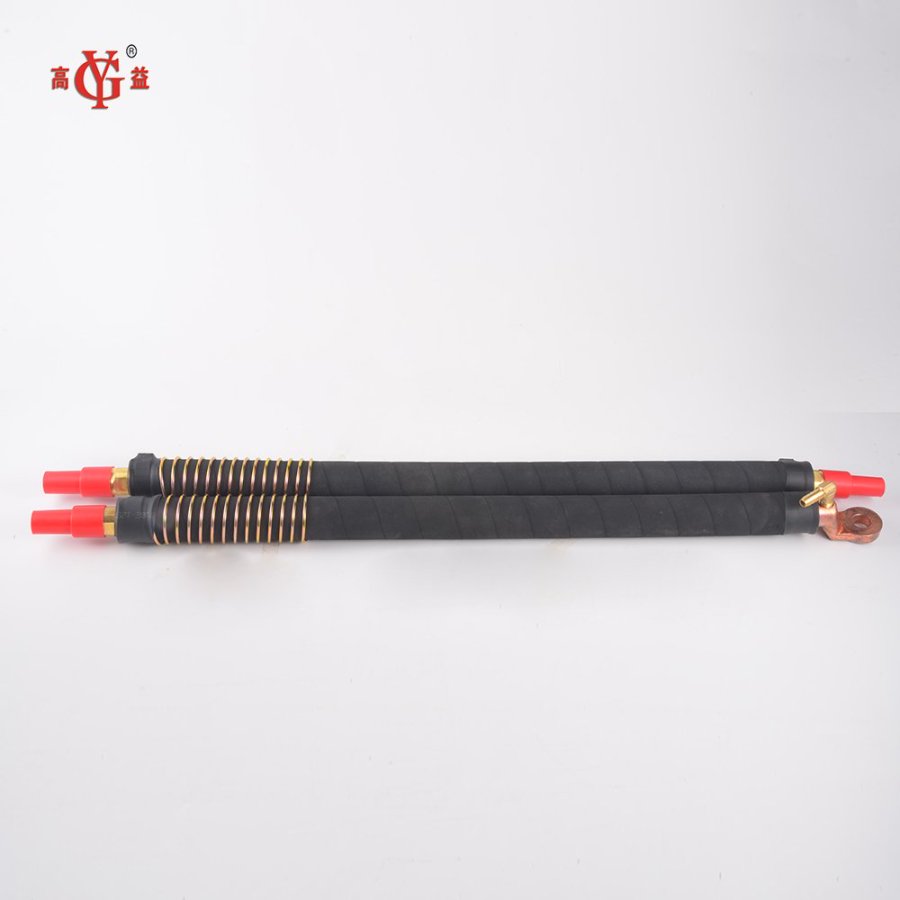
Choosing Non-Inductive Welding Cables for a Stable Arc: Essential Insights
In the world of electrical engineering, particularly in the welding industry, the choice of cables significantly impacts the quality and efficiency of the welding process. Non-inductive welding cables are specifically designed to enhance the stability of the arc, ensuring a smoother and more consistent welding performance. Understanding the properties and benefits of these cables can be crucial fo