
Master Your MIG Welding: Choosing the Right Wire Feeder for Optimal Performance
Mar 11,2026
Master Your MIG Welding: Choosing the Right Wire Feeder for Optimal Performance
MIG (Metal Inert Gas) welding has revolutionized the way we approach metal joining, making it faster, more efficient, and accessible for both beginners and seasoned professionals. A critical component of successful MIG welding is the wire feeder, a device that supplies the welding wire to the welding gun. Selecting the right wire feeder can significantly impact your welding performance. In this guide, we will delve into the various types of wire feeders, their features, and how to choose the best one for your specific needs.
Table of Contents
- Understanding MIG Welding Basics
- What is a Wire Feeder?
- Types of Wire Feeders: A Comprehensive Overview
- Factors to Consider When Choosing a Wire Feeder
- Setting Up Your Wire Feeder for Success
- Troubleshooting Common Wire Feeder Issues
- Maintenance Tips for Your Wire Feeder
- Frequently Asked Questions
Understanding MIG Welding Basics
MIG welding is a process that uses a continuous, solid wire electrode to create an arc between the wire and the workpiece. This arc melts the wire and the base material, allowing them to fuse together. The process utilizes an inert gas, typically argon or a mix of argon and carbon dioxide, to shield the weld from contaminants in the environment. The versatility of MIG welding makes it suitable for various applications, from automotive repair to industrial fabrication.
The Importance of Choosing the Right Wire Feeder
The wire feeder is responsible for ensuring a consistent and accurate supply of wire to the welding arc. A high-quality wire feeder contributes to smooth operation, reduced spatter, and improved weld quality. Understanding the different types of wire feeders and their functionalities will help you make an informed decision that enhances your MIG welding experience.
What is a Wire Feeder?
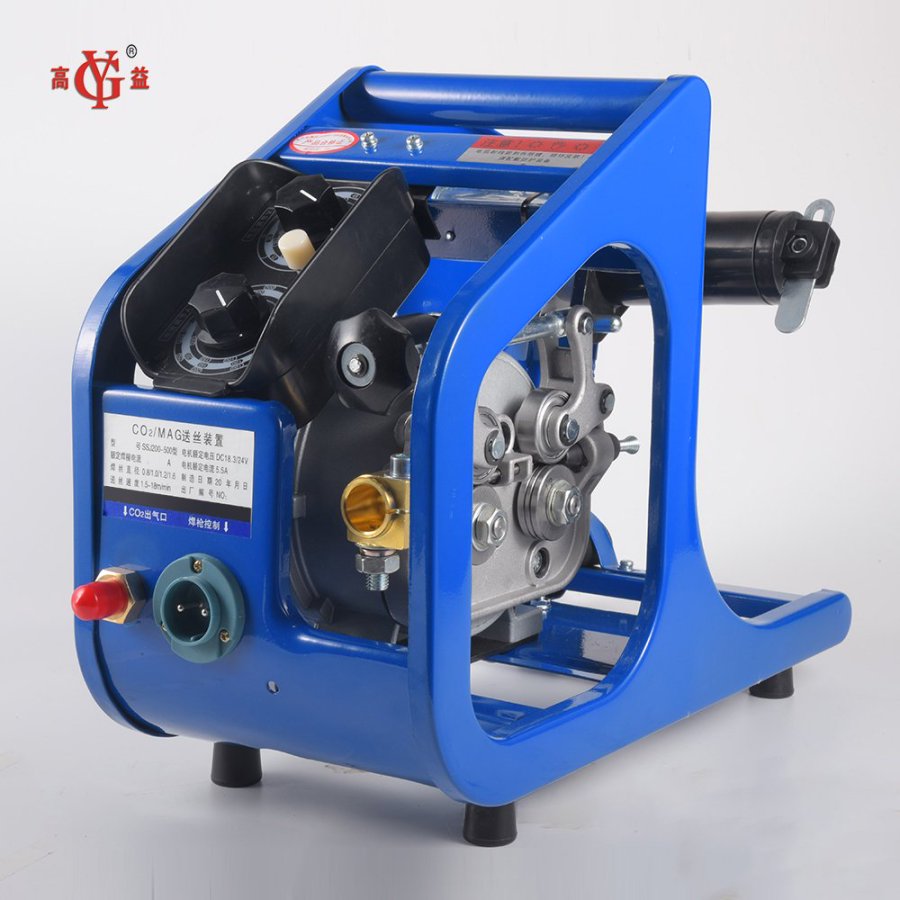
A wire feeder is a critical component of the MIG welding system that feeds the welding wire from a spool to the welding gun. It consists of several key components, including:
- Drive Rollers: These move the wire from the spool to the welding gun. They can be configured for different wire sizes and materials.
- Feed Mechanism: This mechanism controls the speed at which the wire is fed. It can be adjusted based on the welding requirements.
- Control Panel: The control panel allows the welder to adjust settings such as wire feed speed and voltage.
Understanding how these components work together is essential for achieving optimal results.
Types of Wire Feeders: A Comprehensive Overview
Wire feeders can be categorized based on their design and functionality. Here are the main types:
1. Constant Speed Wire Feeders
Constant speed wire feeders maintain a steady feed rate, making them ideal for applications requiring consistent weld quality. They are simple to operate and are commonly used in a variety of welding scenarios.
2. Pulsed MIG Feeders
Pulsed MIG feeders operate by delivering the wire in controlled pulses, which can reduce spatter and improve control over the weld pool. This type is excellent for thin materials and allows for greater precision.
3. Push-Pull Wire Feeders
Push-pull wire feeders are designed to handle soft wires or those that tend to tangle. They feature an additional motor that pulls the wire from the welding gun, ensuring smooth feeding and minimizing wire-related issues.
4. Dual and Multi-Process Feeders
These feeders can be used for multiple welding processes, including MIG, TIG, and stick welding. They offer versatility and are suitable for welders who work on various projects.
Factors to Consider When Choosing a Wire Feeder
When selecting a wire feeder, several factors should be considered to ensure you make the best choice for your specific welding needs:
1. Type of Material
Consider the type of materials you'll be welding. Some wire feeders are better suited for certain metals, such as aluminum or stainless steel, while others may work well with mild steel.
2. Wire Diameter
The diameter of the welding wire will determine the type of drive rollers needed. Ensure that the wire feeder you choose can accommodate the diameter you plan to use.
3. Power Source Compatibility
Ensure that the wire feeder is compatible with your MIG welder's power source. This will ensure optimal performance and reduce the risk of issues during welding.
4. Weld Thickness
Different wire feeders may perform better with varying thicknesses of materials. Consider the typical thickness you will be working with to choose the right feeder.
5. Portability
If you plan to move your welding setup frequently, consider a lightweight, portable wire feeder that can be easily transported.
6. Price and Brand Reputation
Evaluate your budget but also consider investing in a reputable brand known for quality wire feeders. Often, higher upfront costs lead to better performance and durability.
Setting Up Your Wire Feeder for Success
Once you have chosen the right wire feeder, proper setup is essential for achieving the best results:
1. Install the Wire Spool
Place the wire spool onto the feeder and ensure it rotates freely. Proper installation prevents feed issues during welding.
2. Adjust the Drive Rollers
Install the appropriate drive rollers for your wire diameter and material. Adjust the tension to ensure the wire feeds smoothly without slipping.
3. Set the Wire Feed Speed
Refer to the welding parameters for your specific application and adjust the wire feed speed accordingly. This will affect the quality of your weld.
Troubleshooting Common Wire Feeder Issues
Even with the best equipment, issues may arise. Here are some common problems and their solutions:
1. Wire Jams
If the wire jam occurs, check for any obstructions in the feed path, and ensure the wire spool is correctly installed.
2. Inconsistent Wire Feed
Inconsistent wire feed can be due to incorrect roller tension or wear. Adjust the tension and replace worn rollers as necessary.
3. Spatter Issues
Excessive spatter can be reduced by adjusting the voltage and wire feed speed, as well as ensuring proper gas flow.
Maintenance Tips for Your Wire Feeder
Regular maintenance will prolong the life of your wire feeder and enhance its performance:
1. Keep it Clean
Regularly clean the wire feeder to remove dust, dirt, and spatter that can affect its performance.
2. Inspect Drive Rollers
Check the drive rollers for wear and tear, replacing them as needed to ensure consistent wire feeding.
3. Lubrication
Lubricate moving parts as recommended by the manufacturer to prevent wear and ensure smooth operation.
Frequently Asked Questions
1. What is the best wire feeder for beginners?
The best wire feeder for beginners is typically a constant speed model, as it is straightforward to use and offers reliable performance.
2. How do I know which wire diameter to use?
The wire diameter depends on the material thickness and type. Consult the welding guidelines for your specific application for recommendations.
3. Can I use a push-pull feeder for all types of wire?
While push-pull feeders are versatile, they are particularly beneficial for soft wires and certain alloys. Ensure compatibility with your materials.
4. What maintenance is required for a wire feeder?
Regular cleaning, checking for wear on components, and lubrication are essential maintenance tasks to keep your wire feeder in top condition.
5. How can I improve weld quality using my wire feeder?
Proper setup, including correct wire feed speed, voltage settings, and gas flow, along with regular maintenance, will enhance weld quality.
Conclusion
Choosing the right wire feeder is essential for mastering MIG welding and achieving high-quality results. By considering the materials you work with, the type of feeder that suits your needs, and maintaining your equipment, you will greatly enhance your welding capabilities. Whether you are a novice or a seasoned professional, investing time in understanding and selecting the right wire feeder will pay off in the form of superior welds and increased efficiency. With the information provided in this guide, you are now equipped to make informed decisions that will take your MIG welding skills to the next level.
TAG:
Related Posts
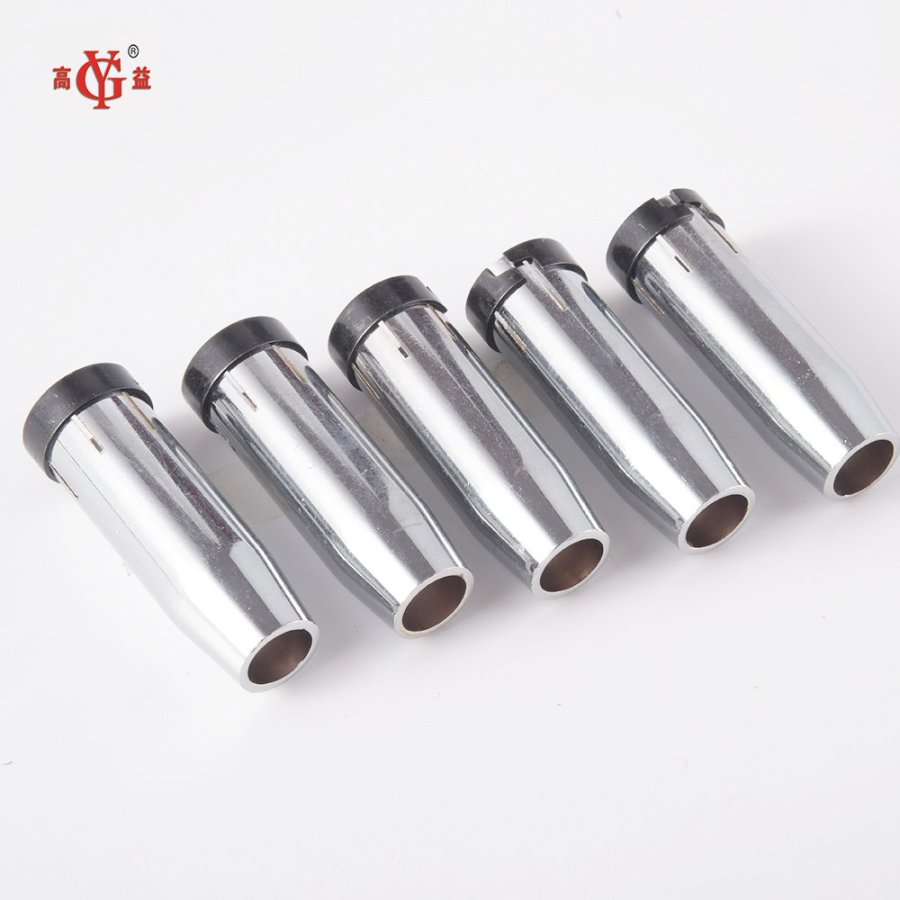
Essential Insights on Welding Torch Nozzles for Professionals