
How Spot Welding Electrode Arms Contribute to Stronger Joints: An In-Depth Exploration
Aug 29,2026
How Spot Welding Electrode Arms Contribute to Stronger Joints
Table of Contents
1. Introduction to Spot Welding
2. Understanding Spot Welding Technology
3. The Importance of Electrode Arms in Spot Welding
4. Materials Used in Spot Welding Electrode Arms
5. Design and Engineering of Electrode Arms
6. Impact of Electrode Arms on Joint Strength
7. Best Practices for Optim
How Spot Welding Electrode Arms Contribute to Stronger Joints
Table of Contents
- 1. Introduction to Spot Welding
- 2. Understanding Spot Welding Technology
- 3. The Importance of Electrode Arms in Spot Welding
- 4. Materials Used in Spot Welding Electrode Arms
- 5. Design and Engineering of Electrode Arms
- 6. Impact of Electrode Arms on Joint Strength
- 7. Best Practices for Optimizing Electrode Arm Performance
- 8. Common Issues and Solutions with Electrode Arms
- 9. FAQs about Spot Welding Electrode Arms
- 10. Conclusion
1. Introduction to Spot Welding
Spot welding is a widely utilized method in the manufacturing and fabrication sectors. This technique utilizes electric current to join two or more pieces of metal at specific points, creating strong, durable joints. The strength of these welds greatly depends on various factors, including the design and material properties of the spot welding electrode arms. In this article, we aim to uncover how these components contribute to the overall integrity of welded joints.
2. Understanding Spot Welding Technology
Spot welding involves the application of heat generated by electrical resistance at the interface of metal workpieces. This process occurs within milliseconds, leading to the formation of a molten pool that solidifies to form a weld nugget. The effectiveness of this process largely hinges on the quality of the electrode arms used.
2.1 The Role of Electrode Arms
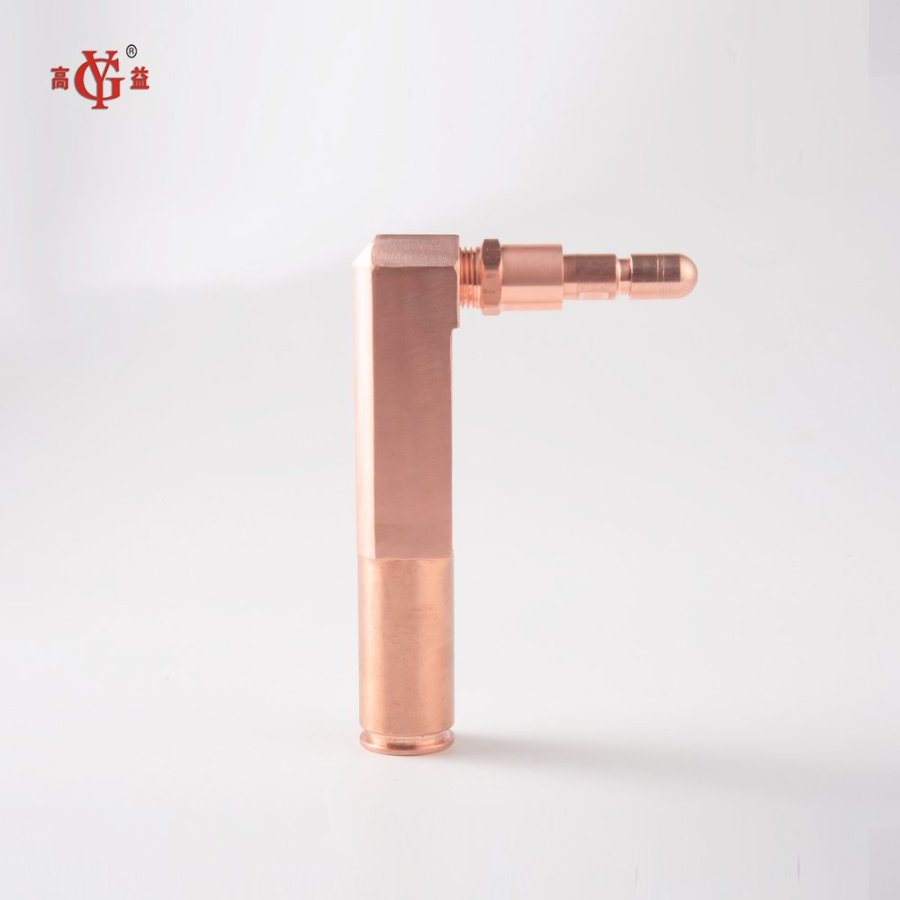
Electrode arms serve as the conduits for electrical current and heat to reach the metal surfaces. They also apply the necessary pressure to ensure proper contact between the workpieces. The design, material, and maintenance of these arms are critical to achieving optimal welding results.
3. The Importance of Electrode Arms in Spot Welding
Spot welding electrode arms play an essential role in determining the quality and strength of welds. Their design must accommodate various factors, including the thickness of the metal, the type of materials being welded, and the required weld strength. Selecting the right electrode arm is imperative for achieving desired results in the welding process.
3.1 Enhanced Heat Transfer
One of the primary functions of the electrode arms is to facilitate efficient heat transfer during the welding process. The better the heat conduction, the stronger the weld. High-quality materials with excellent thermal conductivity ensure that the heat is uniformly distributed across the workpieces.
3.2 Pressure Application
In addition to heat transfer, the pressure exerted by the electrode arms is crucial. Insufficient pressure can lead to weak welds, while excessive pressure can damage the workpieces. Thus, finding an optimal balance of pressure is essential for creating strong joints.
4. Materials Used in Spot Welding Electrode Arms
The choice of materials for electrode arms significantly affects their performance. Common materials include copper and its alloys, which are favored for their excellent electrical and thermal conductivity.
4.1 Copper Alloys
Copper alloys, such as beryllium copper, are often used in the construction of electrode arms due to their strength and durability. These materials can withstand high temperatures and pressures, making them ideal for repetitive spot welding tasks.
4.2 Coatings and Treatments
Electrode arms can also be treated with various coatings to enhance their properties. These coatings can improve resistance to wear, corrosion, and oxidation, further prolonging the life of the electrode arms and the quality of the welds produced.
5. Design and Engineering of Electrode Arms
The design of electrode arms is a complex process that involves engineering considerations to optimize performance. Aspects such as geometry, length, and the shape of the electrode tips must be carefully considered.
5.1 Geometric Considerations
The geometry of the electrode arms directly impacts their efficiency in transferring heat and applying pressure. Different shapes can be tailored for specific applications, depending on the types of materials being welded and the desired joint strength.
5.2 Length and Reach
The length of electrode arms must be designed to reach the welding area without compromising the application of pressure or the integrity of the weld. Longer arms may be necessary for thicker materials, while shorter arms can be more effective for precision applications.
6. Impact of Electrode Arms on Joint Strength
The performance of electrode arms is directly reflected in the strength of the welds produced. High-quality electrode arms lead to stronger joints that can withstand various stresses and strains.
6.1 Consistency in Weld Quality
Electrode arms that maintain consistent performance across multiple welding cycles contribute to the overall reliability of the welds. This consistency is crucial in industries where structural integrity is paramount, such as automotive and aerospace manufacturing.
6.2 Resistance to Fatigue
The design and materials of electrode arms can also influence the fatigue resistance of welded joints. Joints that are consistently produced using high-quality electrode arms are less prone to failure over time, enhancing the longevity of the final product.
7. Best Practices for Optimizing Electrode Arm Performance
To ensure that electrode arms are working at their best, several best practices should be implemented throughout the welding process.
7.1 Regular Maintenance
Routine maintenance of electrode arms is vital for sustaining their performance. This includes regular inspections for wear and tear, proper cleaning, and timely replacement of worn components.
7.2 Calibration and Adjustment
Calibrating the welding machine and adjusting the electrode arms to meet specific welding parameters can significantly enhance performance. Ensuring that settings are optimized for the materials and thicknesses being welded is essential for achieving strong joints.
8. Common Issues and Solutions with Electrode Arms
Despite their critical role, electrode arms can encounter various issues that may affect welding performance.
8.1 Wear and Tear
Electrode arms are subject to wear and tear due to the high temperatures and pressures involved in spot welding. Regular inspections and timely replacements can mitigate the impact of this issue.
8.2 Improper Alignment
Misalignment of electrode arms can lead to inconsistent welds. It is essential to ensure that arms are correctly positioned before starting the welding process to avoid defects.
9. FAQs about Spot Welding Electrode Arms
9.1 What are the key factors that affect the performance of spot welding electrode arms?
Key factors include material choice, design geometry, maintenance practices, and calibration settings.
9.2 How often should electrode arms be replaced?
The lifespan of electrode arms varies based on usage and maintenance, but they should be inspected regularly and replaced when signs of significant wear are evident.
9.3 Can electrode arms be repaired?
In some cases, electrode arms can be repaired, but replacement is often recommended for maintaining weld quality.
9.4 What types of materials are suitable for electrode arms?
Copper and its alloys are commonly used due to their excellent conductivity and durability.
9.5 How can I improve the strength of my welds?
Improving the strength of welds can be achieved by using high-quality electrode arms, ensuring proper alignment, and maintaining optimal welding parameters.
10. Conclusion
The role of spot welding electrode arms is foundational to achieving strong and durable welded joints. By understanding the importance of materials, design, and maintenance, we can enhance the performance of our welding processes. Adopting best practices and addressing common issues will ultimately lead to more reliable and robust connections in various applications. Embracing these insights will not only improve the quality of welds but also contribute to overall efficiency in manufacturing and fabrication processes.
TAG:
Related Posts

Spot Welding Electrode Caps: Essential Accessories for Every Welder
Spot Welding Electrode Caps: Essential Accessories for Every Welder
Table of Contents
What Are Spot Welding Electrode Caps?
Importance of Electrode Caps in Welding
Types of Spot Welding Electrode Caps
Materials Used in Electrode Caps
How to Choose the Right Electrode Cap
Installation and Usage Tips
Maintenance of Electrode Caps
Common Issues with Electrode Caps