
Mastering the MIG Welding Torch: Expert Tips for Professional Use
May 24,2026
Mastering the MIG Welding Torch: Expert Tips for Professional Use
Table of Contents
Introduction to MIG Welding
Understanding MIG Welding: The Basics
Essential Tools and Equipment for MIG Welding
Setting Up Your MIG Welder for Optimal Performance
Techniques for Using a MIG Welding Torch Effectively
Safety Precautions When Using a MIG Welding Torch
Troubleshooting Commo
Mastering the MIG Welding Torch: Expert Tips for Professional Use
Table of Contents
- Introduction to MIG Welding
- Understanding MIG Welding: The Basics
- Essential Tools and Equipment for MIG Welding
- Setting Up Your MIG Welder for Optimal Performance
- Techniques for Using a MIG Welding Torch Effectively
- Safety Precautions When Using a MIG Welding Torch
- Troubleshooting Common MIG Welding Issues
- Advanced MIG Welding Techniques for Professionals
- Conclusion
- FAQs About MIG Welding
Introduction to MIG Welding
MIG welding, or Metal Inert Gas welding, is a widely used welding technique that combines metal fabrication and artistry. For anyone looking to master this powerful method, understanding how to effectively use a MIG welding torch is crucial. This guide aims to equip you with the knowledge and skills needed to operate a MIG welding torch like a pro, ensuring that your welds are not only strong but also aesthetically pleasing.
Understanding MIG Welding: The Basics
MIG welding utilizes a continuous wire feed as an electrode to join materials together. This process occurs in a shielded environment, protecting the weld from contamination. Here's what you need to know:
The MIG Welding Process
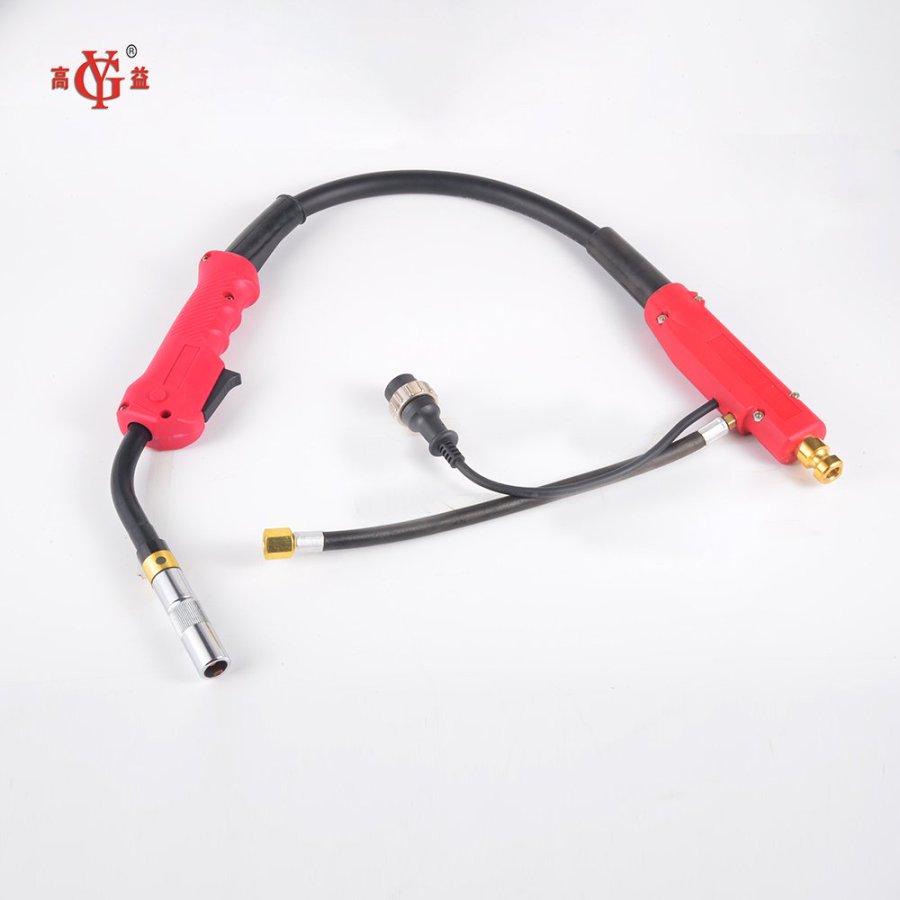
During the MIG welding process, the welding machine feeds a consumable wire electrode through the welding gun. This wire is heated to its melting point and fuses with the base metal, creating a strong bond. The shielding gas, typically argon or a mixture of argon and carbon dioxide, protects the weld pool from atmospheric contamination.
Common Applications of MIG Welding
MIG welding is versatile and suitable for various applications, including:
- Automotive repair and manufacturing
- Metal fabrication
- Construction
- Home projects and DIY tasks
Essential Tools and Equipment for MIG Welding
To ensure successful MIG welding, having the right tools and equipment is essential. Here’s a detailed list of what you need:
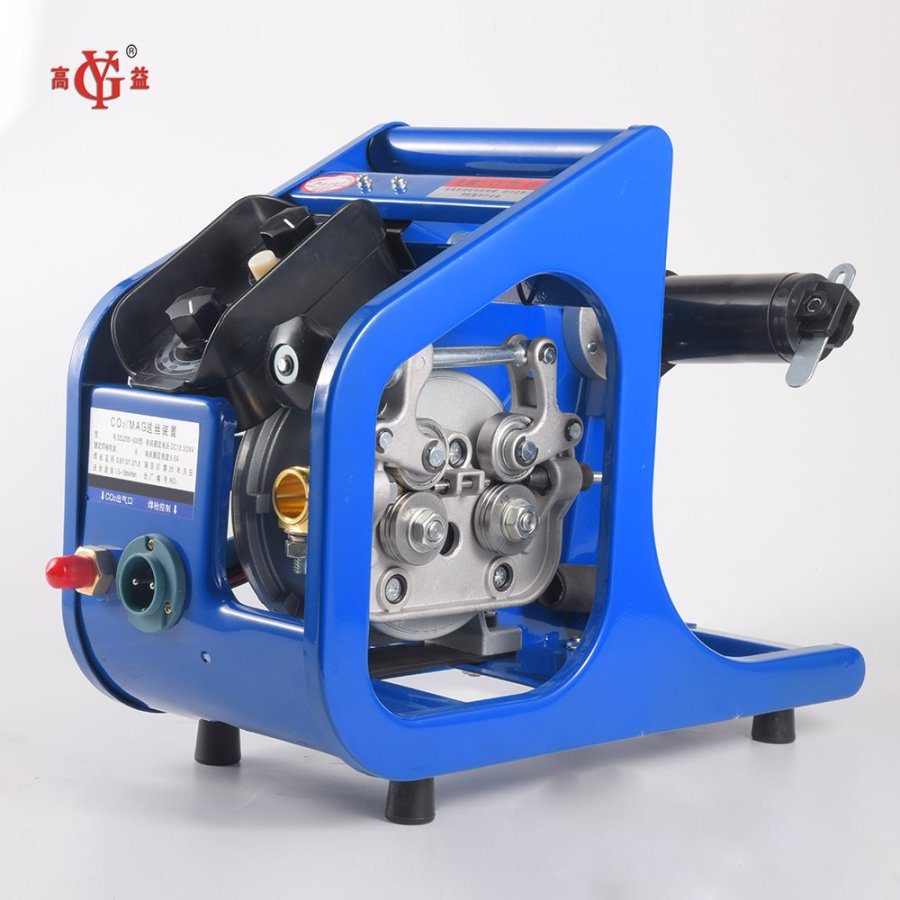
MIG Welder
Investing in a quality MIG welder is fundamental. Look for models that allow for adjustable settings, including voltage and wire speed.
Wire Electrode
The choice of wire electrode is crucial for weld quality. Select the appropriate diameter and type based on the materials you’ll be welding.
Shielding Gas
Choosing the right shielding gas can significantly affect your weld’s quality. Common options include pure argon for aluminum welding or a mix for steel.
Protective Gear
Safety is paramount in welding. Ensure you have the following:
- Welding helmet with appropriate shade
- Gloves designed for welding
- Flame-resistant clothing
Setting Up Your MIG Welder for Optimal Performance
Proper setup of your MIG welder is vital to achieving quality welds. Here’s how to get started:
Adjusting Voltage and Wire Speed
The voltage and wire feed speed should be adjusted according to the material thickness. Generally, thicker materials require higher voltage and faster wire speeds.
Choosing the Right Nozzle and Contact Tip
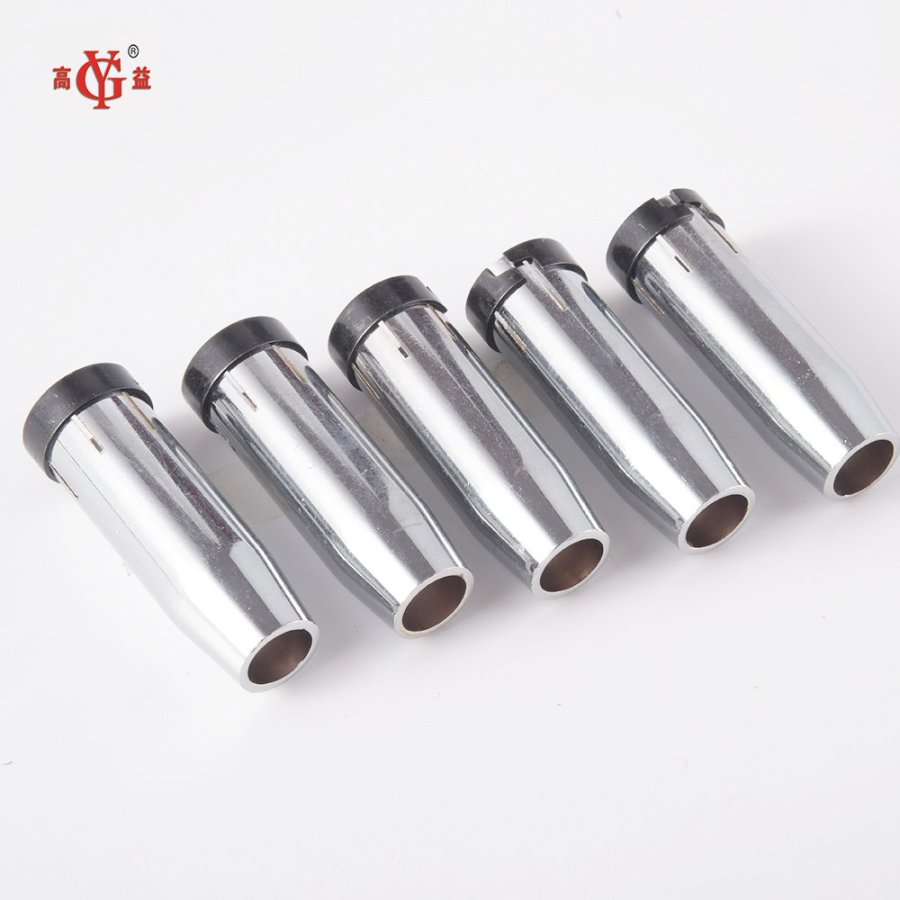
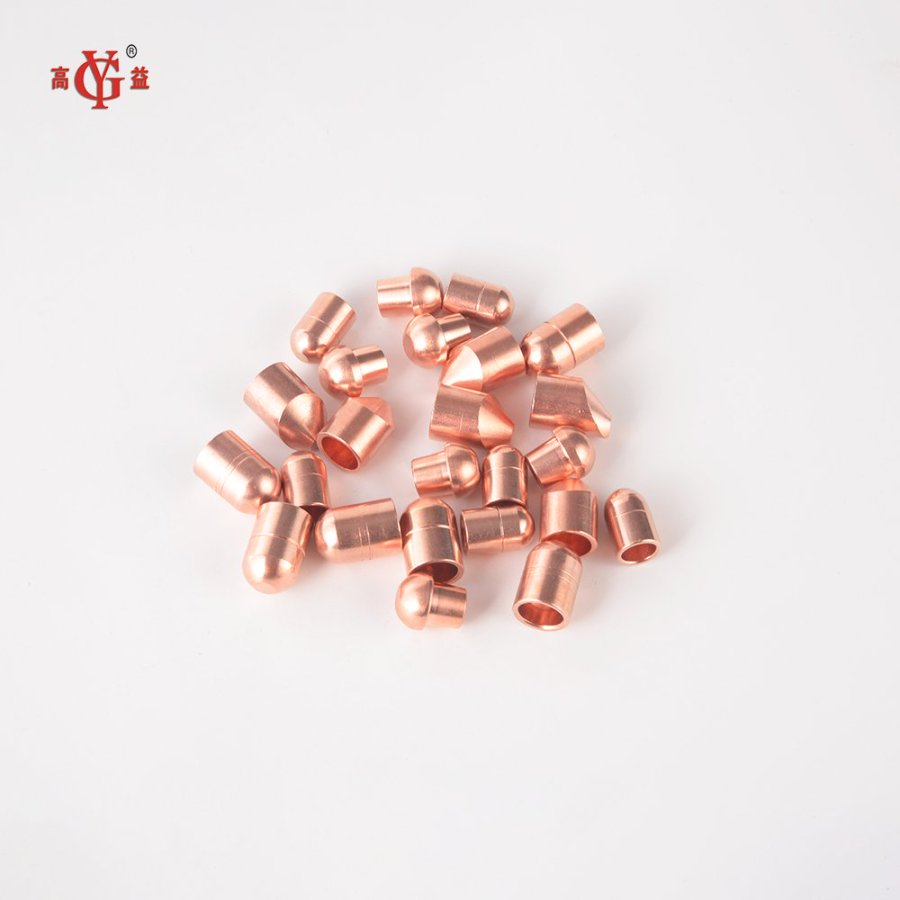
Selecting the correct nozzle and contact tip size ensures optimal gas flow and arc stability. Ensure they match the diameter of your wire electrode.
Testing Your Setup
Before starting your project, run a few test welds on scrap metal. This will help you fine-tune your settings for the best results.
Techniques for Using a MIG Welding Torch Effectively
Mastering MIG welding techniques is essential for achieving clean, strong welds. Here are some expert tips:
Maintaining a Steady Hand
A steady hand leads to consistent bead width and penetration. Practice maintaining a uniform distance between the torch and workpiece.
Understanding Travel Speed
The speed at which you move the torch affects the weld bead. Moving too fast can lead to weak welds, while moving too slowly can cause excessive heat and burns.
Using the Push and Pull Technique
For flat welding, using the push technique helps provide better penetration. The pull technique is often more suitable for vertical positions.
Angle of the Torch
Maintaining an angle of about 15 degrees can enhance your control and allow for better visibility of the arc and puddle.
Safety Precautions When Using a MIG Welding Torch
Safety should always be your top priority. Follow these guidelines to protect yourself during the welding process:
Wear Protective Gear
Always wear appropriate protective gear, including a welding helmet, gloves, and long-sleeved clothing to shield against sparks and heat.
Work in a Well-Ventilated Area
Welding releases fumes that can be harmful to your health. Ensure you work in a well-ventilated space or use proper exhaust systems.
Keep Flammable Materials Away
Before starting your project, remove any flammable materials from your workspace to reduce the risk of fire.
Troubleshooting Common MIG Welding Issues
Even experienced welders encounter problems. Here are common issues and their solutions:
Porosity in Welds
Porosity occurs when gas pockets form in the weld pool. To fix this, check your gas flow settings and ensure proper surface preparation.
Inconsistent Bead Appearance
If your bead appears inconsistent, it could be due to improper travel speed or incorrect voltage. Adjust these settings and practice for consistency.
Wire Feeding Issues
Wire feed problems can be caused by a clogged nozzle or incorrect tension. Regularly clean the nozzle and adjust the tension to ensure smooth wire feeding.
Advanced MIG Welding Techniques for Professionals
For those looking to take their MIG welding skills to the next level, consider these advanced techniques:
Weaving Techniques
Weaving can create wider beads and improve fusion on thick materials. Practice different weaving patterns to find what works best for your projects.
Using Backhand Techniques
This technique involves pulling the torch towards you, enhancing control and penetration in certain welding positions.
Pulse MIG Welding
Pulse MIG welding is an advanced technique that allows for better control over heat input and can reduce distortion in thin materials.
Conclusion
By mastering the use of a MIG welding torch, you can elevate your welding skills and produce high-quality, reliable welds. The tips and techniques outlined in this guide will prepare you for a variety of welding tasks, whether for personal projects or professional applications. Remember that practice is key, and continuous learning will help you refine your skills.
FAQs About MIG Welding
1. What materials can I weld with a MIG welder?
MIG welders are primarily used for welding steel, stainless steel, and aluminum. Ensure you select the correct wire and shielding gas for optimal results.
2. How do I know if my MIG welder is properly set up?
Perform test welds on scrap materials. Adjust settings based on the appearance and strength of the welds until you achieve satisfactory results.
3. Can I use a MIG welder outdoors?
Yes, but be cautious of wind, which can disrupt the shielding gas. Use a windbreak if necessary to maintain a stable gas shield.
4. How do I maintain my MIG welding torch?
Regularly clean the nozzle, contact tip, and gas diffuser. Inspect for wear and replace parts as needed to ensure optimal performance.
5. What are the signs of improper MIG welding technique?
Common signs include excessive spatter, poor bead appearance, and lack of penetration. Adjust your technique and settings based on these indicators.
By focusing on the provided techniques and safety practices, you will not only enhance your craftsmanship but also ensure a safer working environment.
TAG:
Related Posts
Mastering the MIG Welding Torch: Expert Tips for Professional Use
Mastering the MIG Welding Torch: Expert Tips for Professional Use
Table of Contents
Introduction to MIG Welding
Understanding MIG Welding: The Basics
Essential Tools and Equipment for MIG Welding
Setting Up Your MIG Welder for Optimal Performance
Techniques for Using a MIG Welding Torch Effectively
Safety Precautions When Using a MIG Welding Torch
Troubleshooting Commo